I spent a long time writing deliberately vague task descriptions, and I could defend it. A complete brief took forty minutes. The teammate picking it up would skim it anyway, miss the one constraint that mattered, and message me a question I had already answered in paragraph three. So I wrote less and kept the rest in my head. Cheaper, given the reader.
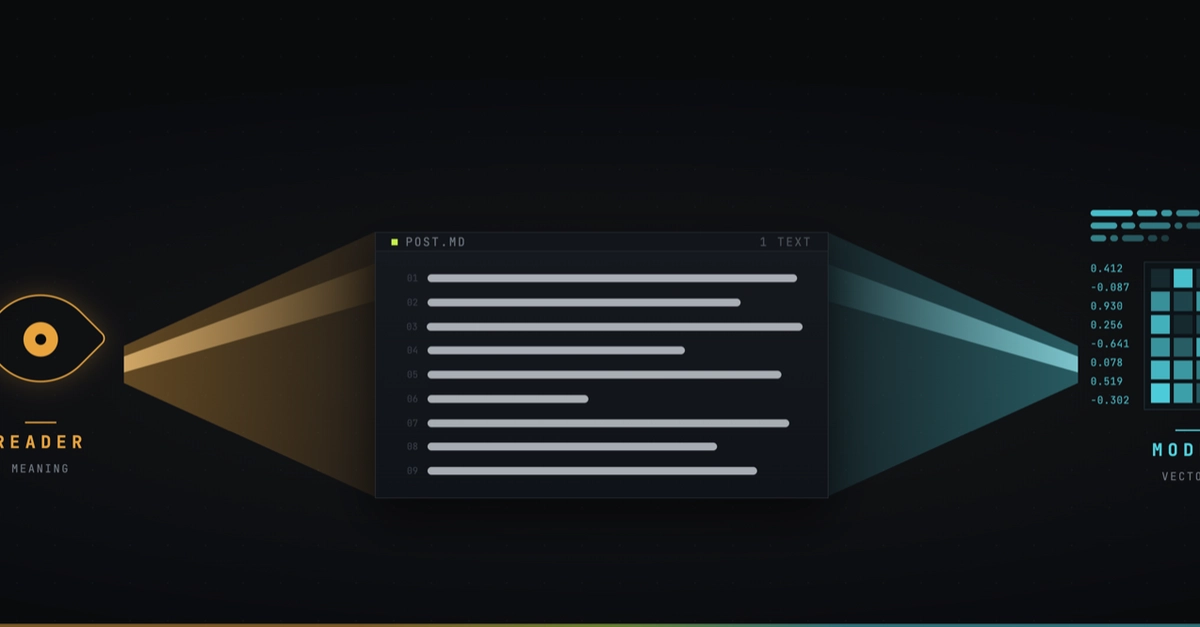
Then the reader changed. Half the tickets on our board are now picked up by someone who immediately pastes them into Claude Code or Codex. And an agent is the opposite kind of reader: it will happily consume two thousand words of constraints, and it will not skim. Suddenly the forty-minute brief pays for itself.
Except the person supervising the run still does not want to read it.
One task, two readers
That is the actual problem, and it took me embarrassingly long to name it. A task in an agentic workflow has two participants with completely different needs: