Originally published on tamiz.pro.
The current wave of Large Language Model (LLM) adoption has created a bifurcation in the engineering landscape. On one side, there is the need for raw throughput and low-latency serving—solved by giants like vLLM and SGLang. On the other, there is the need for deterministic, private, and verifiable logic execution—solved by a nascent class of tools emerging as OpenLogi.
This shift marks a critical evolution in how software engineers approach AI. It is no longer sufficient to merely call an LLM API or serve a model. The modern requirement is often to contain the intelligence locally, ensuring data sovereignty and deterministic behavior. This deep dive explores the technical underpinnings of this transition, analyzing why local-first infrastructure is moving from a niche preference to a production necessity.
The Serving Layer: What SGLang Solves
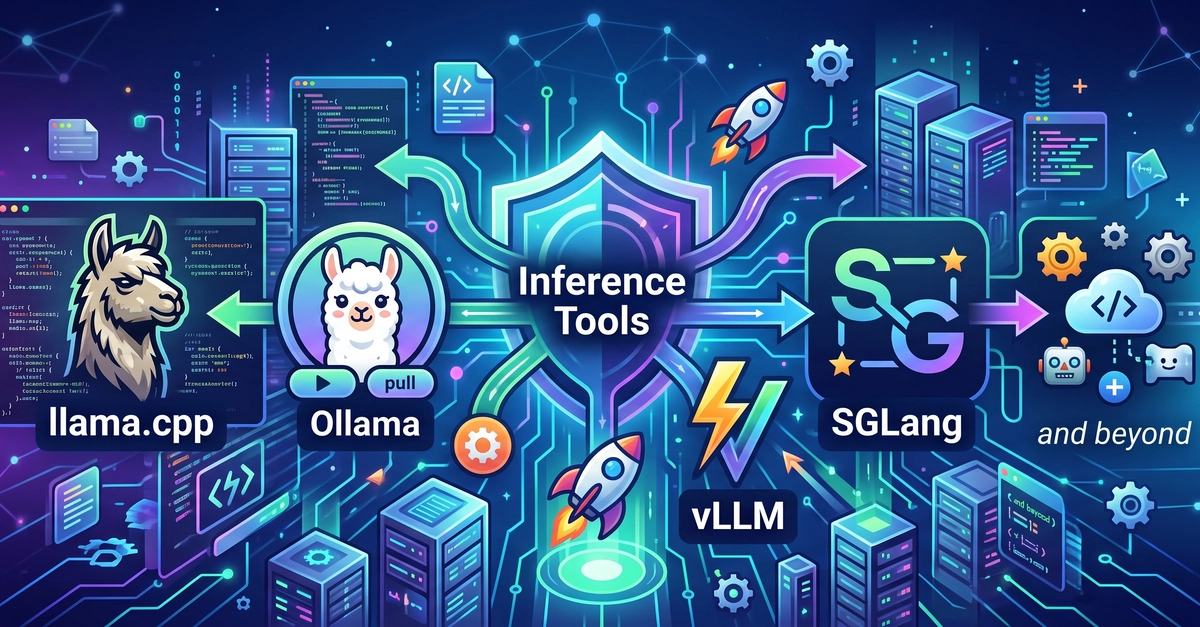
To understand the shift, we must first respect the sophistication of the current state-of-the-art serving runnings. SGLang (Simple Language Model) represents the pinnacle of high-performance LLM inference engines. Built on top of PyTorch and optimized for CUDA, it addresses the "bottleneck" problem in production LLM deployment.