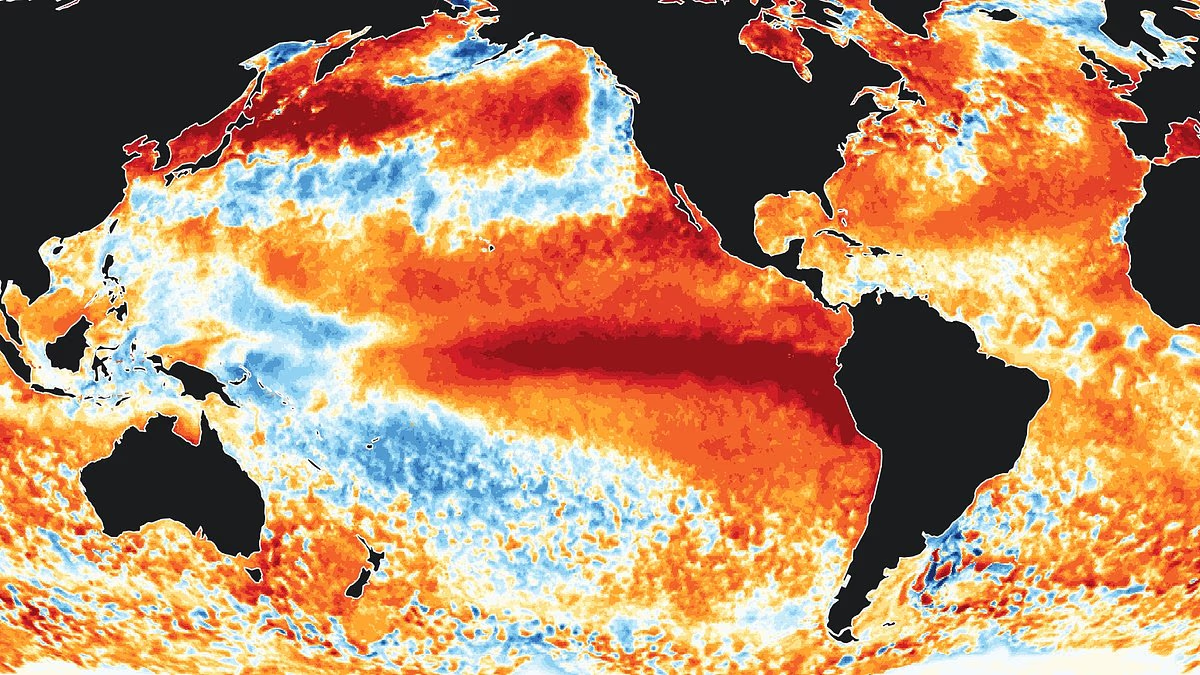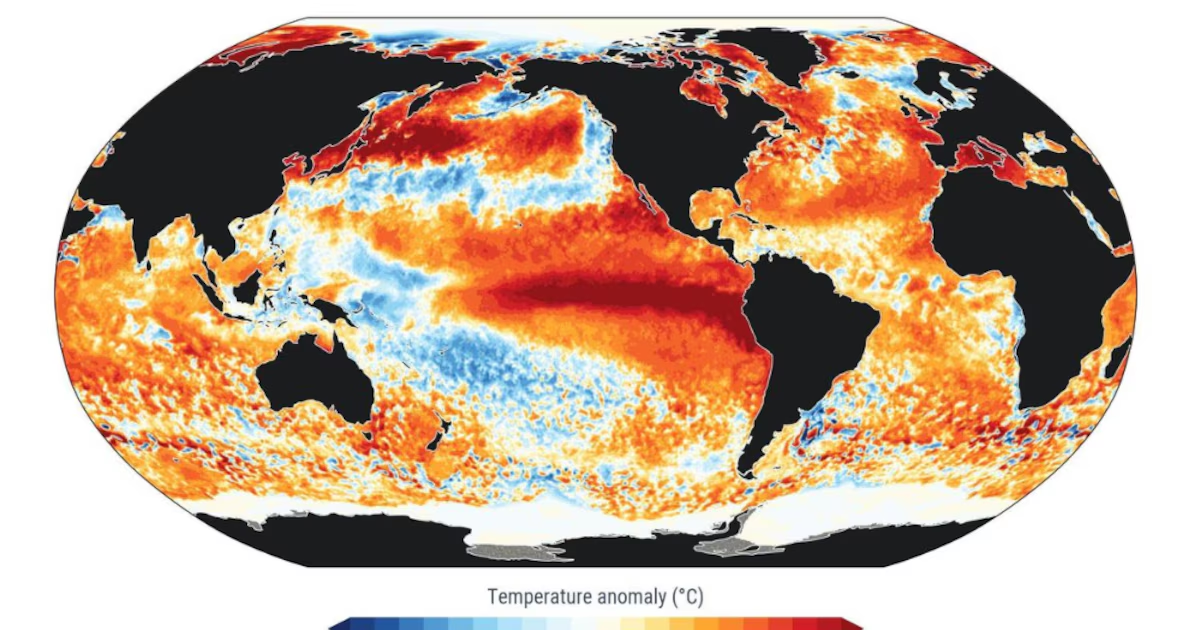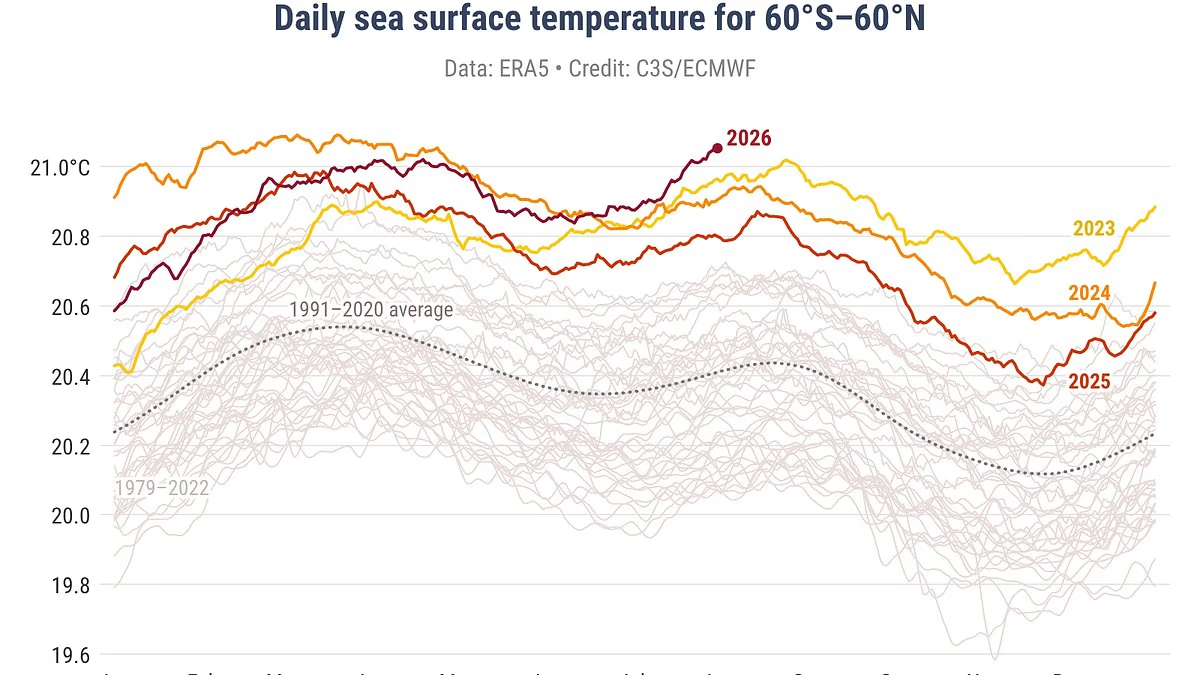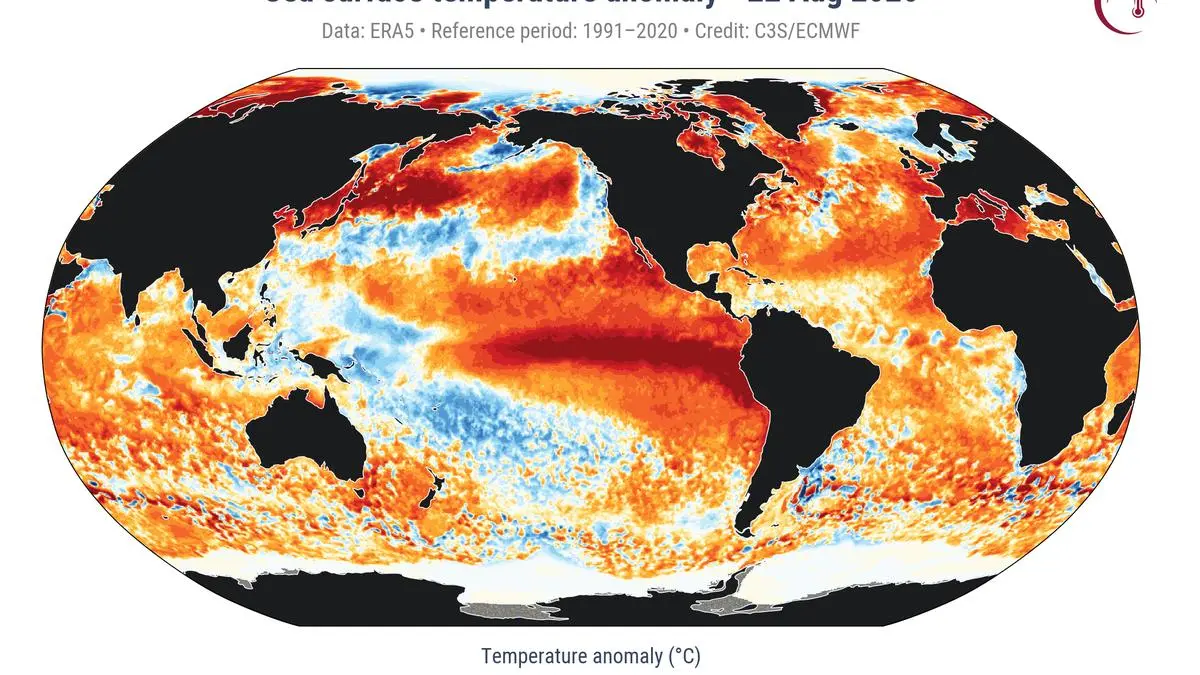
The daily global average Sea surface temperature (SST) has surged to a record, with a temperature of 21.1°C on August 22, exceeding the previous record of 21.09°C set in March 2024, according to a report by the Copernicus Climate Change Service (C3S), implemented by the European Centre for Medium-Range Weather Forecasts (ECMWF).It is an unusually late reading for this time of year, with the long-term warming of the ocean compounded by a strengthening El Nino event.New recordThe timing of the record is noteworthy. Normally, the warmest global ocean temperatures occur in March and April, after the austral summer. But this has occurred in August. It also beats the previous highest August value, reached in 2023 at 20.98°C.This new daily record comes on the heels of a series of monthly sea surface temperature records and near-records observed across the extra-polar ocean (60°S to 60°N) throughout 2026, highlighting the persistent warmth observed across much of the global ocean.The tropical Pacific is now rapidly warming, and a powerful drought-bearing El Nino is taking shape, adding to the already long-term warming of the ocean due to climate change.The World Meteorological Organization (WMO) has said El Nino is likely to strengthen in the coming months, with the C3S seasonal forecasting system indicating the event could reach levels not seen for several decades.Stress signalSamantha Burgess, Strategic Lead for Climate at ECMWF, commented: “This record is another clear signal of an ocean under growing stress. El Niño is adding heat to the system, but it is doing so on top of decades of human-driven warming. As ocean temperatures continue to rise, the risks to marine ecosystems and coastal communities also increase. The consequences are already visible: the number of marine heatwave days globally has more than tripled since the early 1990s, putting increasing pressure on marine ecosystems and the communities that depend on them.”Ocean warming is steadily increasing, and this trend has major implications for communities and ecosystems. Warmer oceans are causing sea levels to rise through thermal expansion, which threatens coastal communities and low-lying island nations, the report said.Higher temperatures also increase the likelihood and intensity of marine heatwaves, which can devastate key ecosystems like coral reefs and seagrass meadows, disrupting marine food webs and industries like fisheries and aquaculture.Higher ocean temperatures also increase the potential for extreme weather. As the ocean warms, it takes in more heat and moisture, which could result in heavier rains and some storm systems. A warmer ocean also loses some of its ability to suck carbon dioxide from the atmosphere, potentially undercutting one of the world’s most important natural buffers against climate change, the report said.Published on August 24, 2026
Global Sea Surface Temperature breaks record as El Nino gains strength
Record global sea surface temperature reaches 21.1°C amid strengthening El Niño, signaling increased ocean stress and climate impact risks.
440 words~2 min read