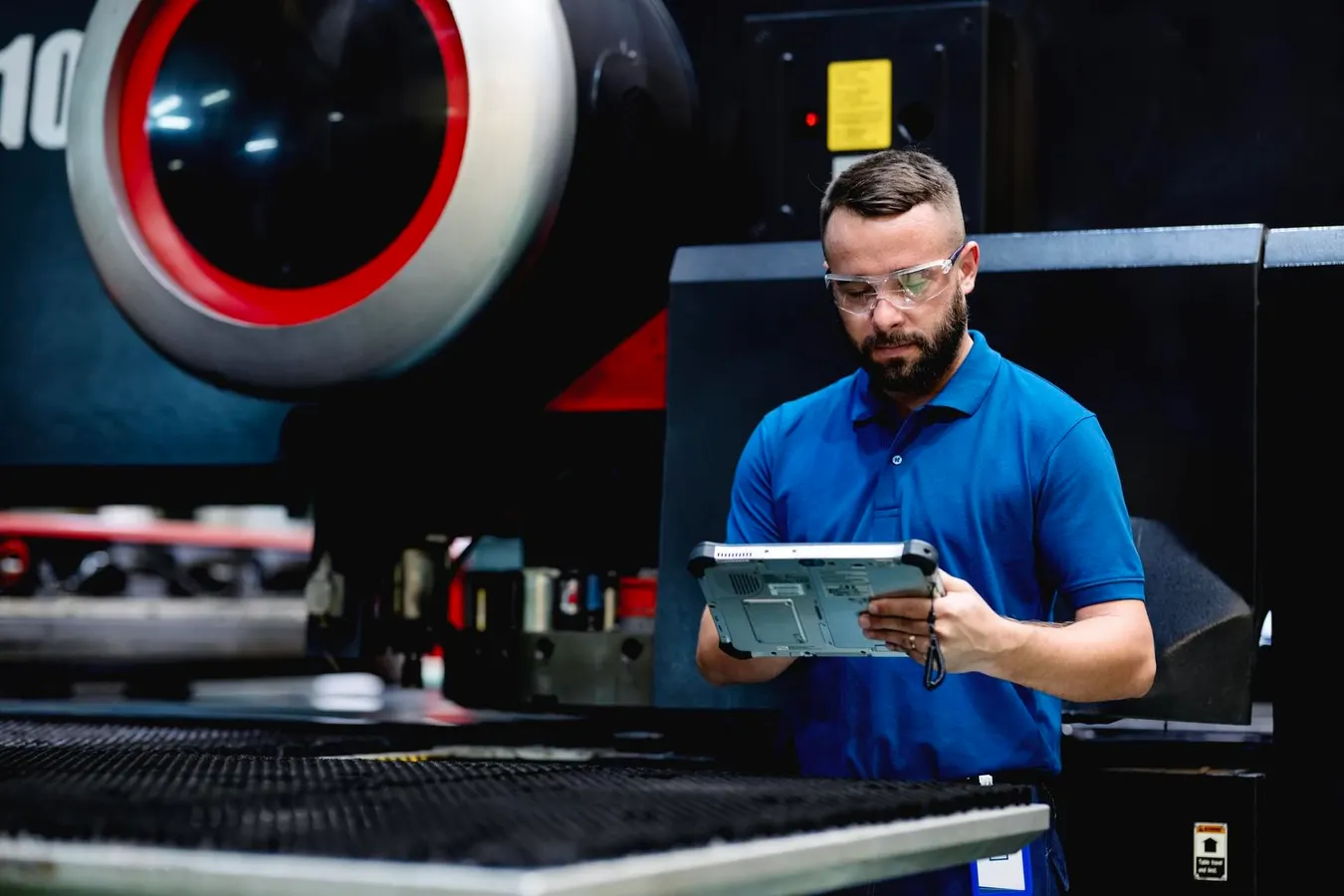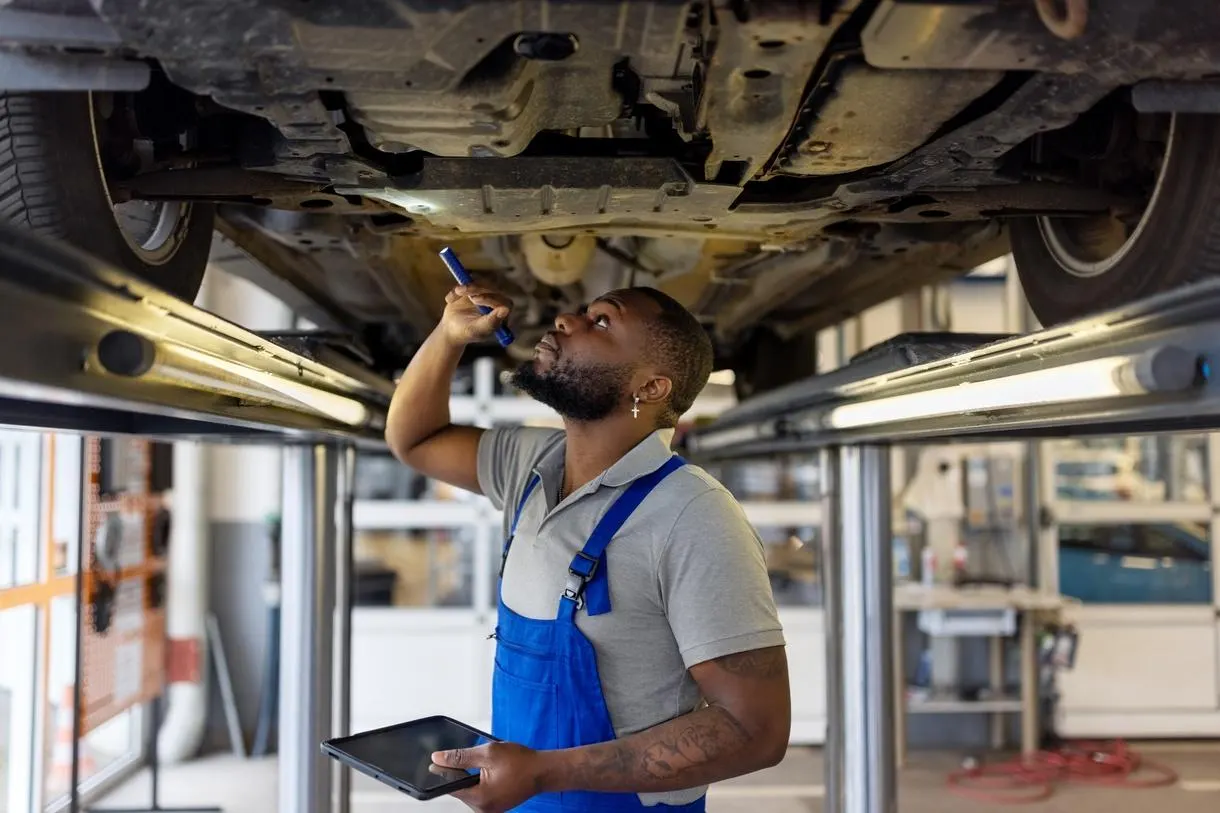
Revv CEO Adi Bathla is transforming auto repair with AI-powered tools for ADAS calibration, diagnostics and shop efficiency.gettyWhen leaders at auto shops ask me what breaks first when they open a second location, they expect me to say equipment. But it's rarely the equipment. In fact, equipment or software problems are the easy ones. You buy a second target frame or replace that part or buy different software. What actually breaks first is consistency, and the lesson plays out across industries and disciplines, whether you’re talking about new physical locations, new markets, expanding a regional sales team, et cetera.Experience is the hardest thing to scale.As a single collision shop expands its business, that usually involves opening a second location. Let’s say at location one, they have a technician who has calibrated a forward-facing camera a few hundred times. That tech knows intuitively what the insurer wants to see. They've built that muscle. Location two, meanwhile, is staffed by someone who has done it twice. The output looks completely different. Insurers then have more questions, and before you know it, that location is spending cycles just clarifying what actually needs to be reimbursed. More cycles mean lower output means lower revenue.Leadership will look at the problem and decide that it’s a training problem, so they go hire a more experienced person. The hire rarely fixes it, because the knowledge that made location one work lived in one person's head and was never systematized. So it can't transfer. You can't buy your way past that with a senior hire, because the thing you're missing was never written down to begin with. Your best people often can't explain what they know.This is the part that surprises founders. The expertise is real, but it's mostly invisible, even to the person who has it. Ask them to write that down, and you'll often get the steps which are only part of the picture. What’s missing is the judgment, because the judgment became instinct a long time ago. It's like asking a fluent speaker to explain grammar rules. You might not be able to articulate all the rules, but you certainly know when something is wrong.That tacit layer is the actual asset, and in many lines of work, it isn't optional. With cars, you’re either repairing the car to the manufacturer's requirement or you're not. It's binary. So the expertise that decides which side of that line you land on can't stay locked in one technician.The same goes for any other business. Undoubtedly, there are things within your organization’s domain of expertise that experts and specialists will “know” when something is "wrong." It’s being able to democratize that experience to newer team members that’s the sticking point.You learn the work by sitting in it.When we started Revv, the problem we saw was that vital information lived in the brains of a handful of highly trained technicians, and nowhere else. They were the ones who had innate knowledge of individual vehicle makes and models and what pitfalls to avoid. Even though I understood the problem, I still needed to get to that information. So, I went and sat in shops, watching the work happen, asking why at every step until the instinct turned into something I could write down.In business, you’ll hear plenty about “market research” or “customer research,” but these end up being surveys or interviews with questions that often are shaped by what you’re trying to solve versus what the customer is actually facing day to day. To be clear, this can be invaluable information, but it’s not enough.I’m a firm believer that you can’t capture how the work really happens by pulling it apart in a conference room. That only comes by seeing it in motion, standing next to the person doing it.Systematize the judgment, then give it to everyone.Once you've watched enough of it, write down the judgment, not just the sequence. What does your best person check? What do they flag? What would they never leave unfixed?These questions make all the difference. If that judgment is systematized either within documentation or using a technology platform, you can share contextual knowledge, not just instructions. Putting that knowledge into action takes more than a document. In my experience, three things have to happen together: 1. Pairing: New people learn fastest working alongside your most experienced ones, where judgment gets absorbed in situ. 2. Review Cycles: Someone senior looks at finished work and explains what they'd change.3. Democratized Access: The documented knowledge has to live somewhere people actually touch during the workday, whether that's a checklist, a training program or software built into the workflow.Technology helps most with that third piece. It can put what your best person knows in front of someone doing the job for the first time, so there's less guesswork. However, a system is only as good as the judgment you feed into it, and no tool replaces the mentor who explains why a call was made. The organizations that grow fastest treat technology as one layer of a larger answer.That’s because information alone doesn't build muscle memory. Reps do. The work is finding every way possible, through people, process and tools, to give the reps of your most experienced player to everyone else.So I’ll leave you with the question I ask myself: If your most experienced person walked out tomorrow, how much of what made them great is written down anywhere?Forbes Technology Council is an invitation-only community for world-class CIOs, CTOs and technology executives. Do I qualify?
When Scaling, Equipment Is The Easy Problem
If your most experienced person walked out tomorrow, how much of what made them great is written down anywhere?
917 words~4 min read