Opinions expressed by Entrepreneur contributors are their own.
Key Takeaways
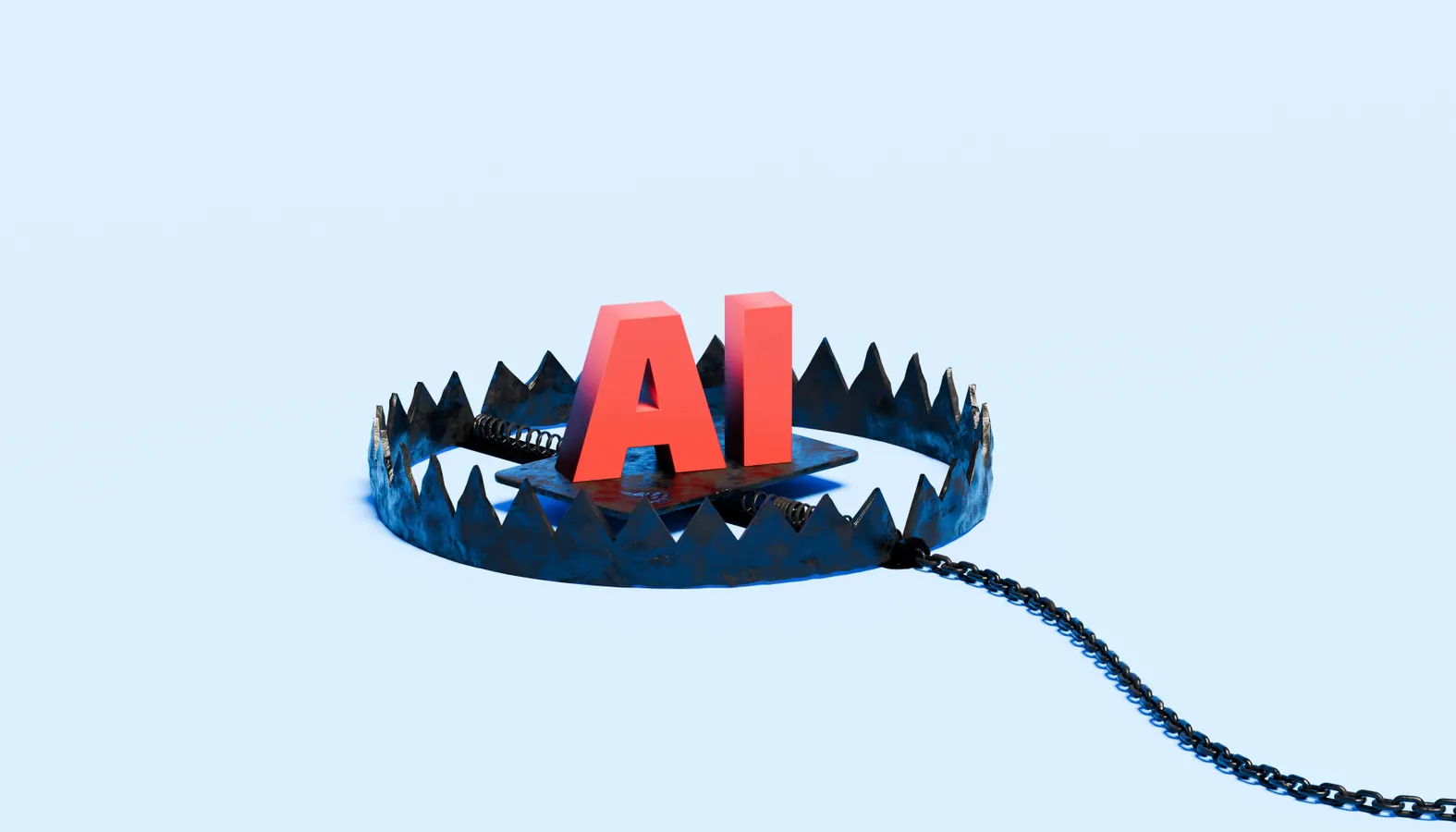
AI doesn’t fix shaky infrastructure; it accelerates bad decisions from unstable, laggy systems.
Layering AI onto fragmented, complex stacks adds friction. Simplification and integration must come first.
For the past 25 years, I’ve been part of scaling technology companies past the $100M mark. I’ve seen many waves of innovation over the past few decades, in cloud, mobile, SaaS and so on. Each one came with the same promise to move faster, operate smarter and gain an edge. AI is no different, but the expectations are just much higher, where many business leaders expect to see better and faster results right away.From what I’ve seen recently, AI feels familiar in a different way. Companies aren’t struggling because they picked the wrong AI tools, they’re struggling because they’re trying to layer AI on top of systems that weren’t built to support it.AI isn’t just another tool you plug in; it should be seen more as a stress test on how your business actually runs. And in most cases, that test is revealing gaps leaders didn’t know they had.