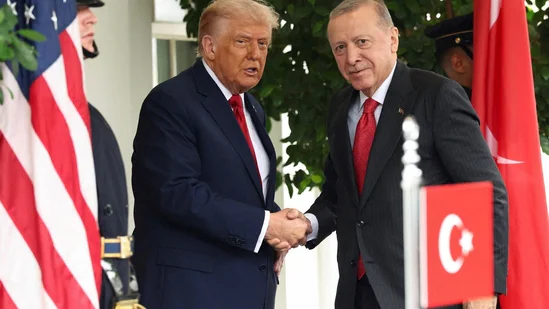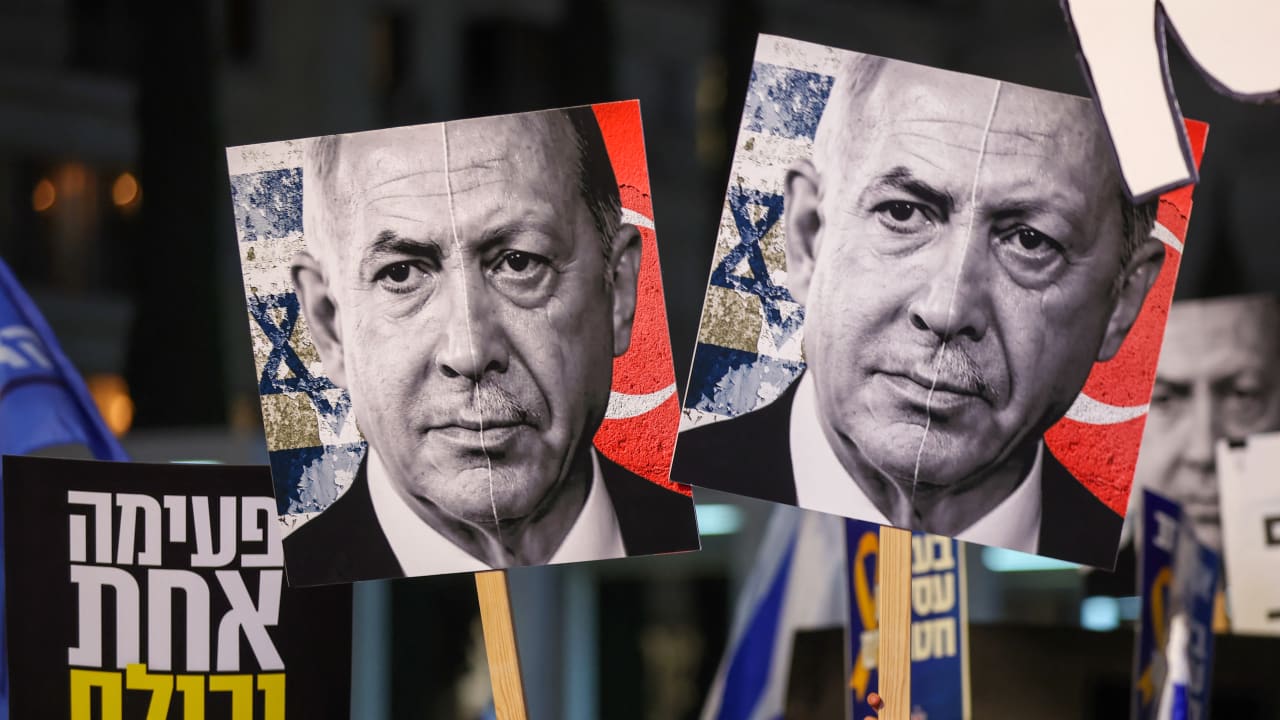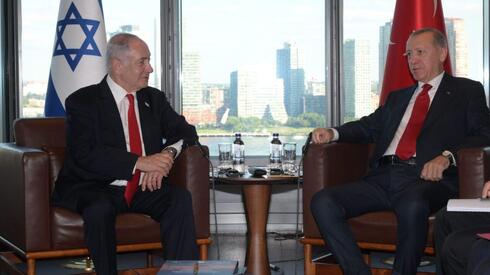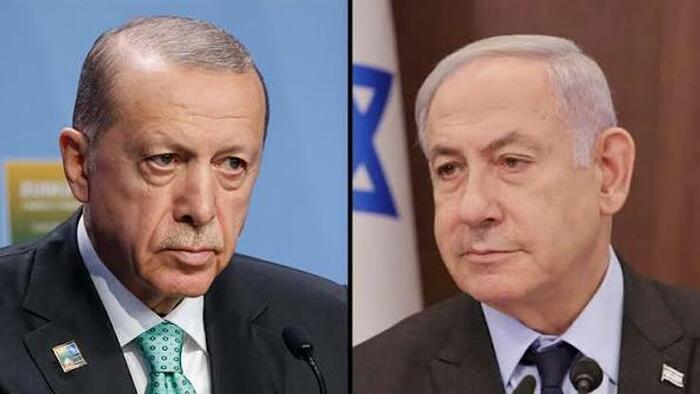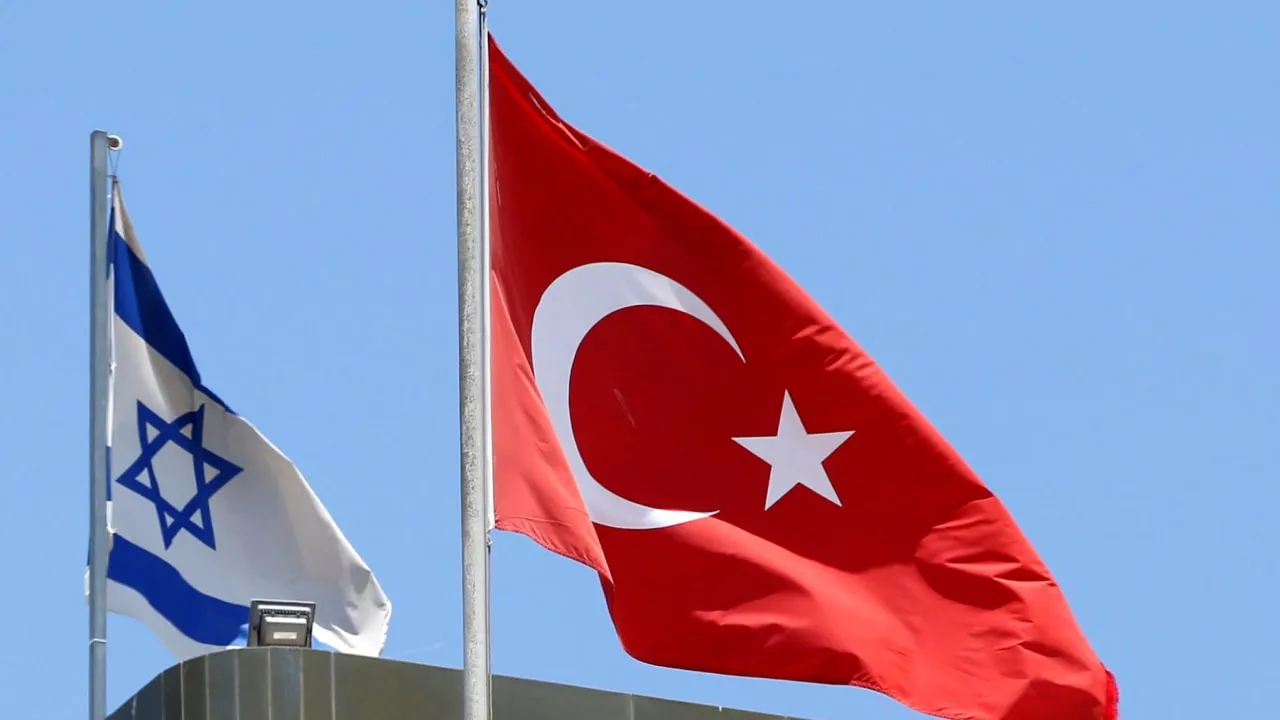
For years, tensions between Türkiye and Israel unfolded primarily through political rhetoric. Disagreements over Gaza, Palestinian rights and Israel’s regional policies repeatedly brought Ankara and Tel Aviv into confrontation, yet their disputes largely remained within the boundaries of diplomacy and public messaging.
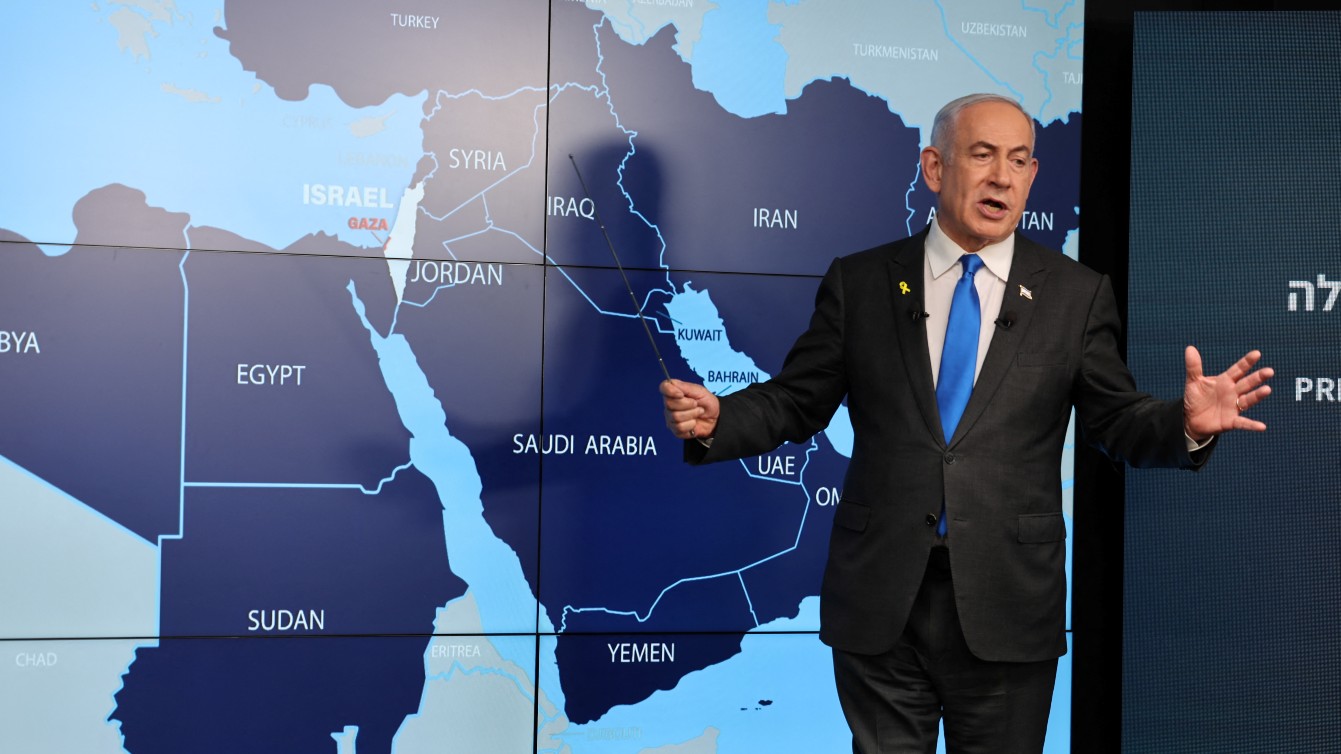
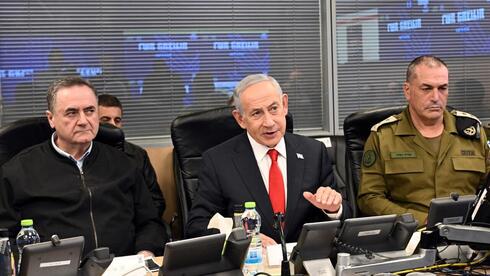
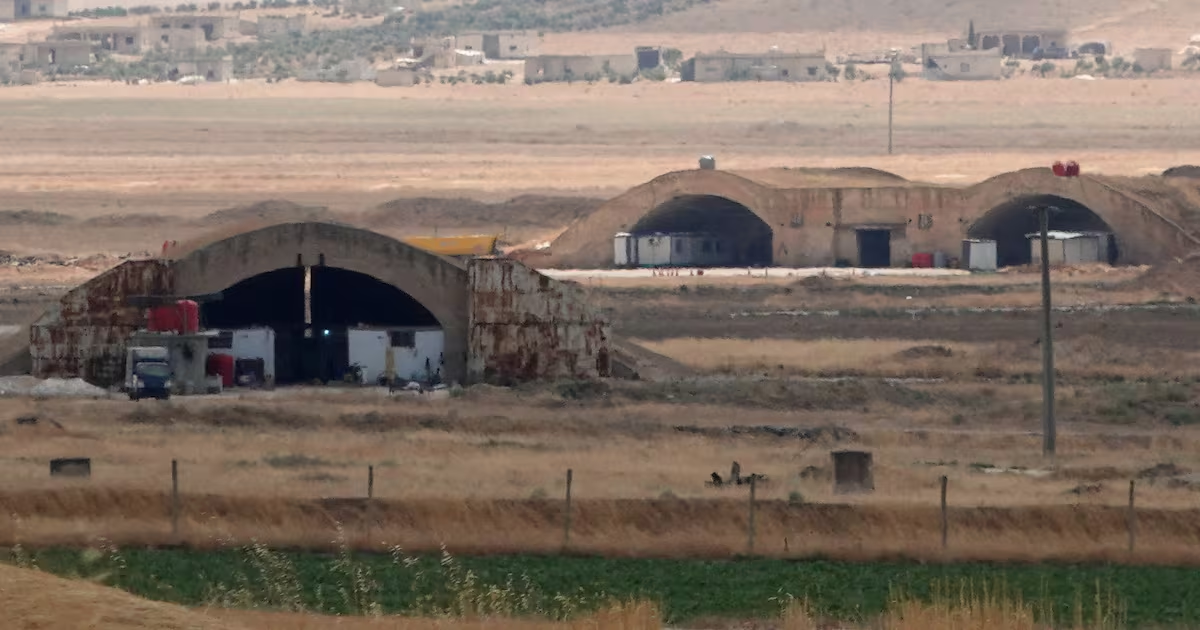
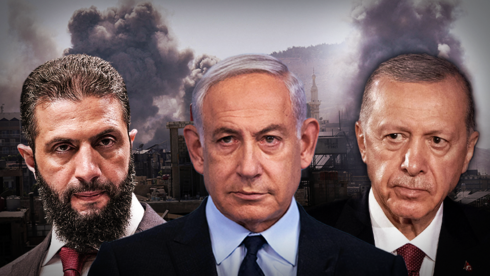
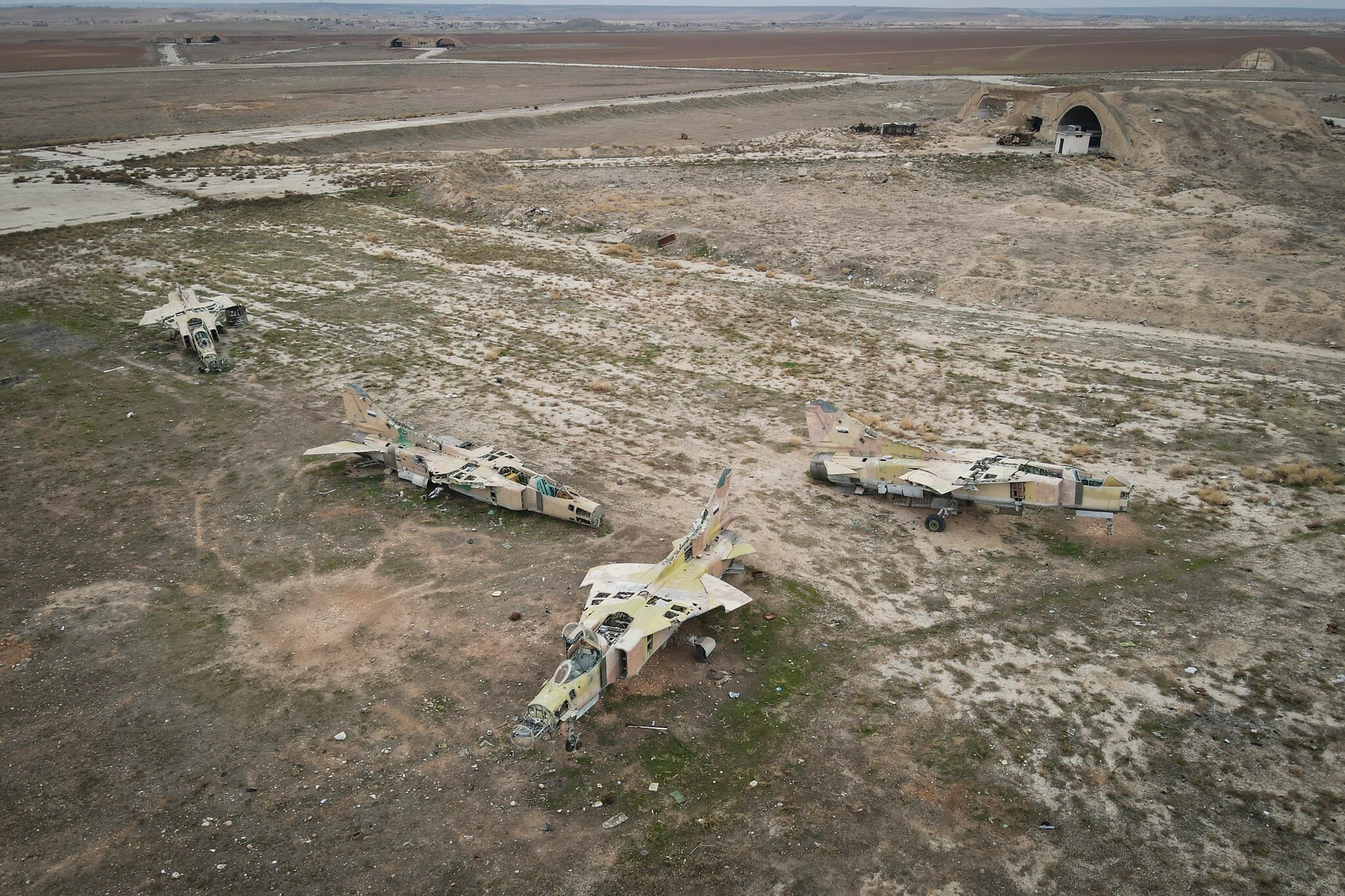
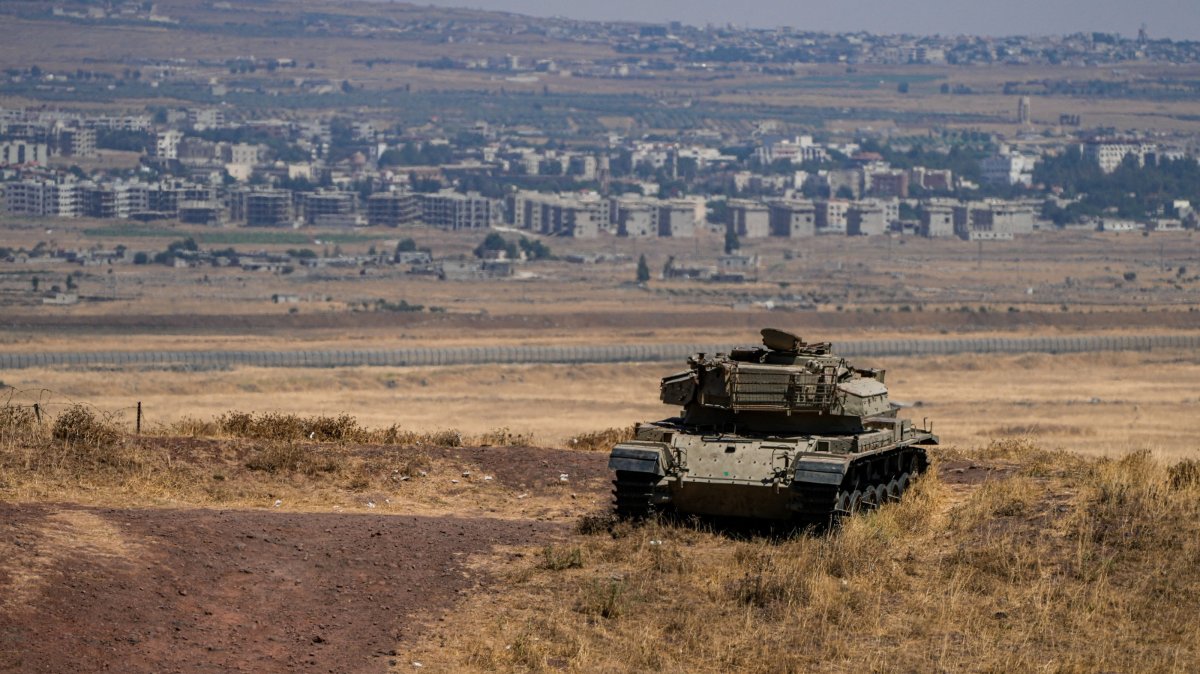
Israel’s recent airstrike in Idlib suggests that this rivalry may be entering a different phase. Prime Minister Benjamin Netanyahu’s indication that the “operation carried a message for Türkiye” transformed the incident into more than another attack on Syrian territory. It signaled Israeli opposition to Türkiye’s expanding security cooperation with Damascus and its emerging role in shaping Syria’s post-Assad order.
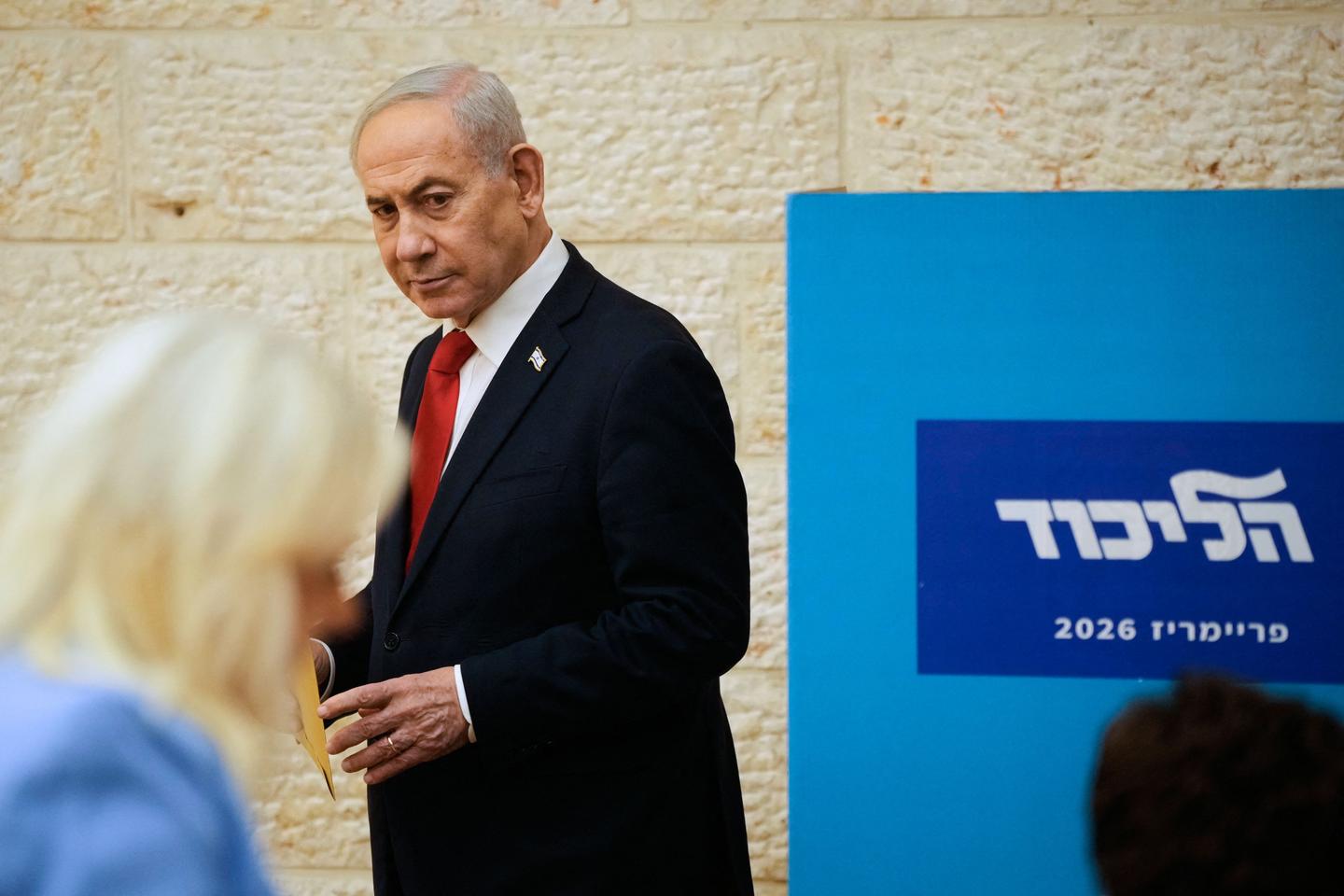
The episode renewed debate over whether the two countries could eventually confront each other militarily in Syria. Yet the more important question concerns the character of the rivalry itself. Does the current escalation reflect Netanyahu’s electoral calculations and his need to manufacture external threats? Or has Turkish-Israeli competition developed structural foundations?
The answer matters because temporary tensions can be managed through tactical adjustments. Structural rivalries require a different combination of diplomacy, deterrence and regional coordination.