https://arab.news/9v7ag
Turkish-Israeli-Syrian relations have long had an important and complex dimension that helps explain the region’s dynamics. In the mid-1990s, Turkiye was concerned that a possible Syria-Israel peace agreement might come at its expense. Although the Syrian-Israeli negotiations focused on issues such as border demarcation, security arrangements, water resources and normalization of relations, they often generated serious anxiety in Turkiye.
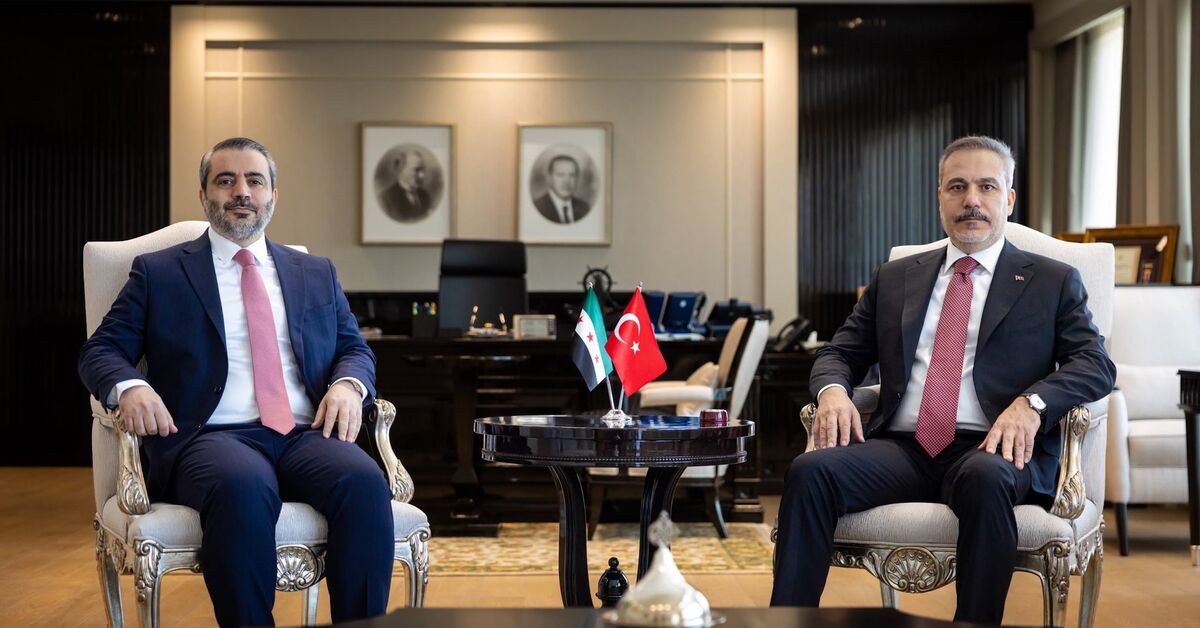
However, by the end of that decade, Ankara’s perspective had changed significantly due to improvements in its relations with both Israel and Syria. By 2008, Turkiye had even assumed the role of mediator between them. At the core of Ankara’s approach was its desire to maintain stability along its southern border.
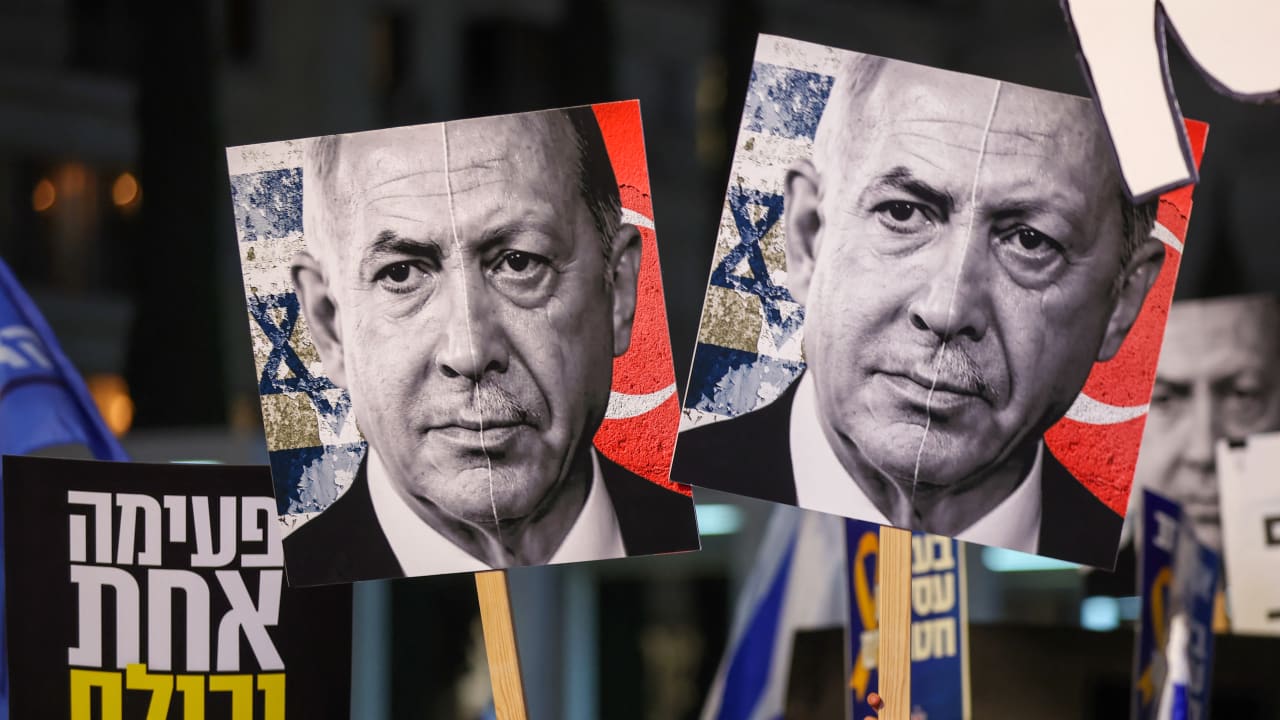
Over time, Turkiye’s fundamental motivation to see Syria stable has remained the same. What has changed, however, is the regional context, which has seen Israel emerge as an expansionist regional actor. Today, Turkiye perceives Israel as a threat and views Syria as a country Tel Aviv seeks to turn into a battleground against Turkish interests.
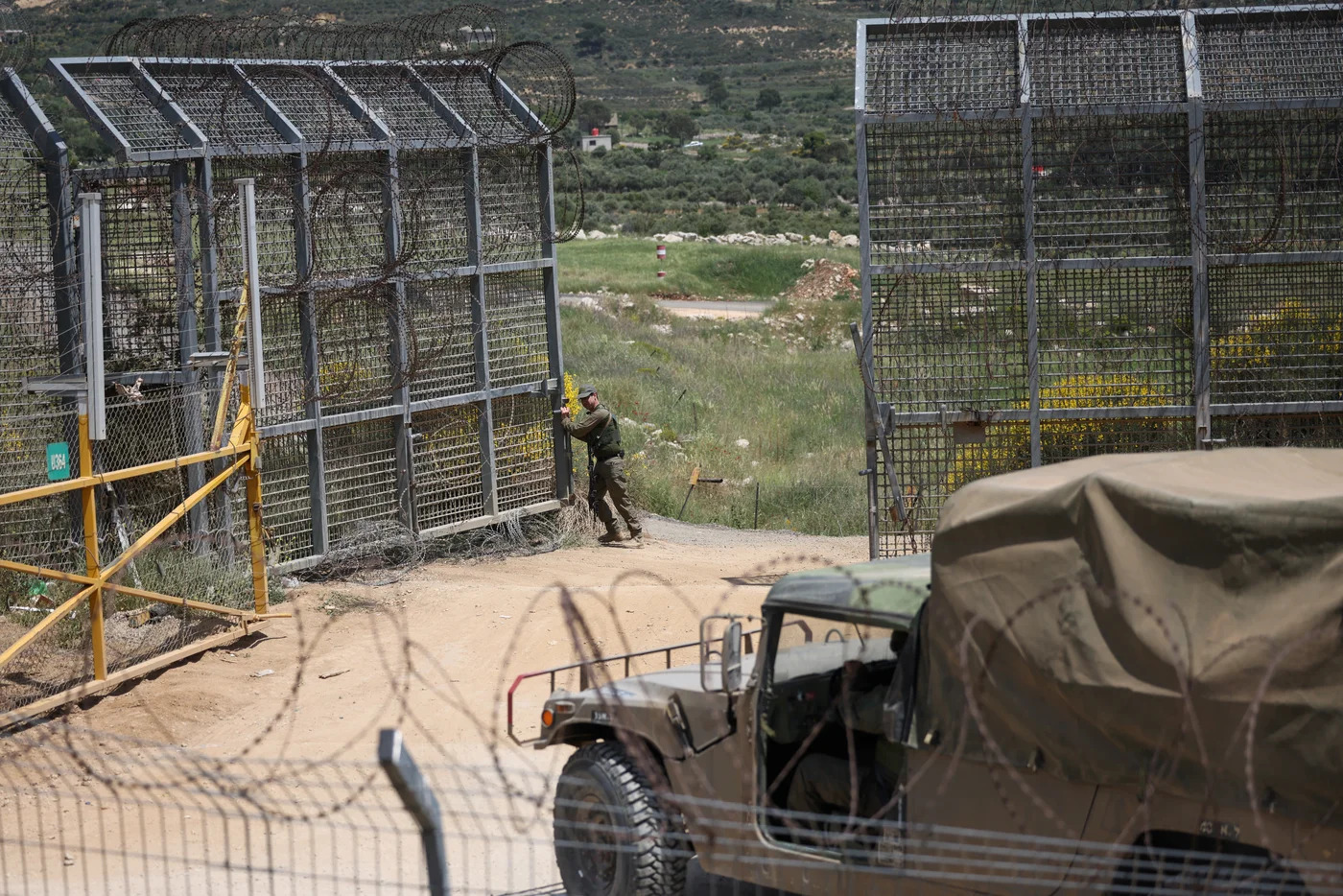
The Kurdish dimension has been a central factor in shaping Turkiye’s concerns regarding Syria and Israel, both historically and in the present day. During the Syrian war, the Assad regime supported the likes of the PKK against Turkiye, while in post-Assad Syria, Israel has replaced the regime in this role. Israel’s strikes on Syria are providing fertile ground for the Kurds to delay the integration process with the Syrian army that was agreed last March. From Ankara’s perspective, any form of understanding between Israel and Syria that could halt Israeli attacks on Syrian territory would be seen as a positive development.