https://arab.news/85gv7
Just a few months ago, few would have believed that Damascus and Tel Aviv could find themselves on the verge of signing a security pact after more than half a century of hostility. For decades, Syria built its political identity on absolute rejection of peace with Israel. After the loss of the Golan Heights in 1967 and its unilateral annexation by Israel in 1981, Syrian leaders made “no peace, no recognition” their credo. They rejected any separate peace track, like Camp David, and tied any potential negotiations to a full withdrawal from the Golan. This was elevated into a sacred cause, enshrined in schoolbooks and official rhetoric, with Israel depicted not merely as a rival over territory but as an existential enemy. Negotiations with Israel were not simply avoided — they were taboo.
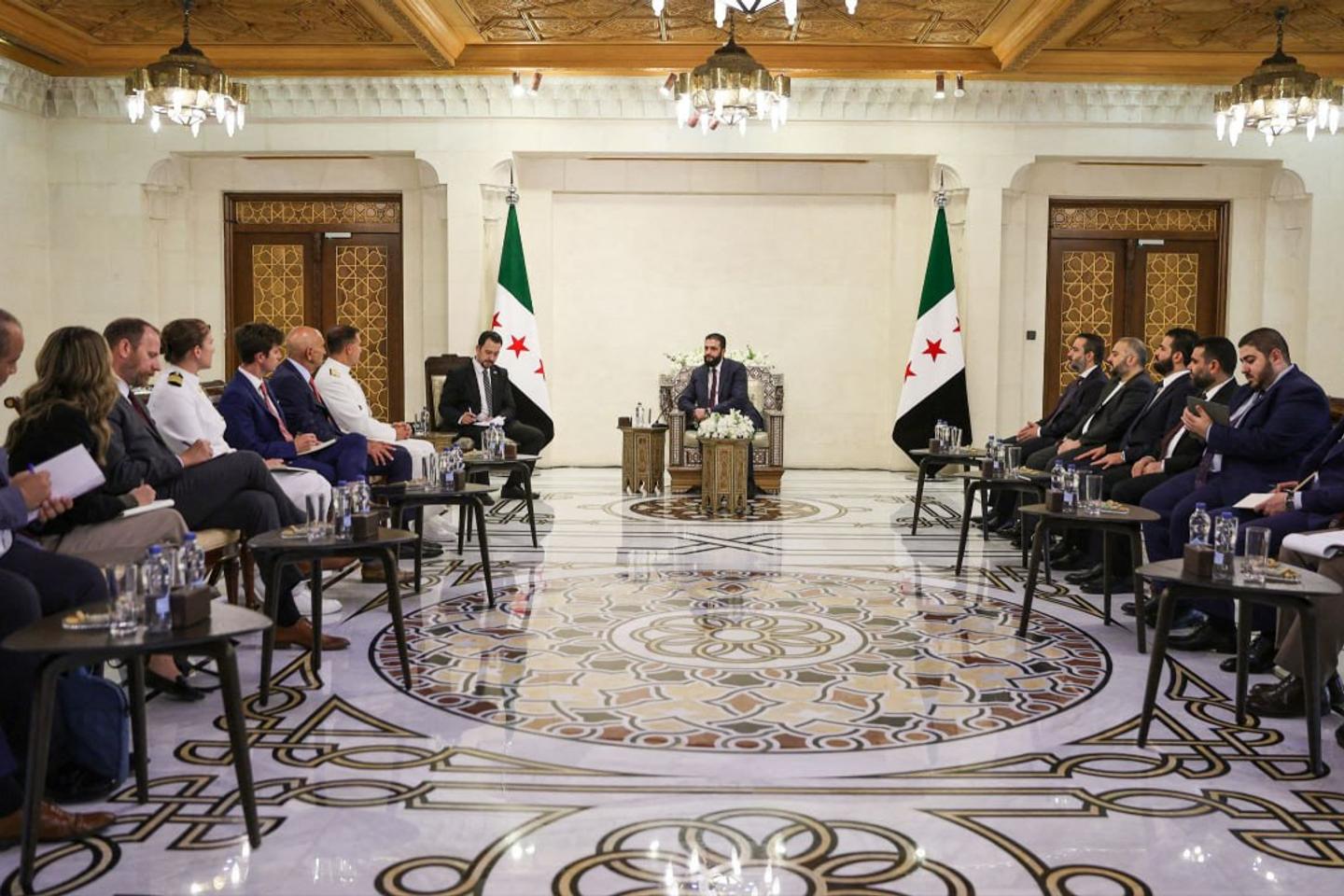
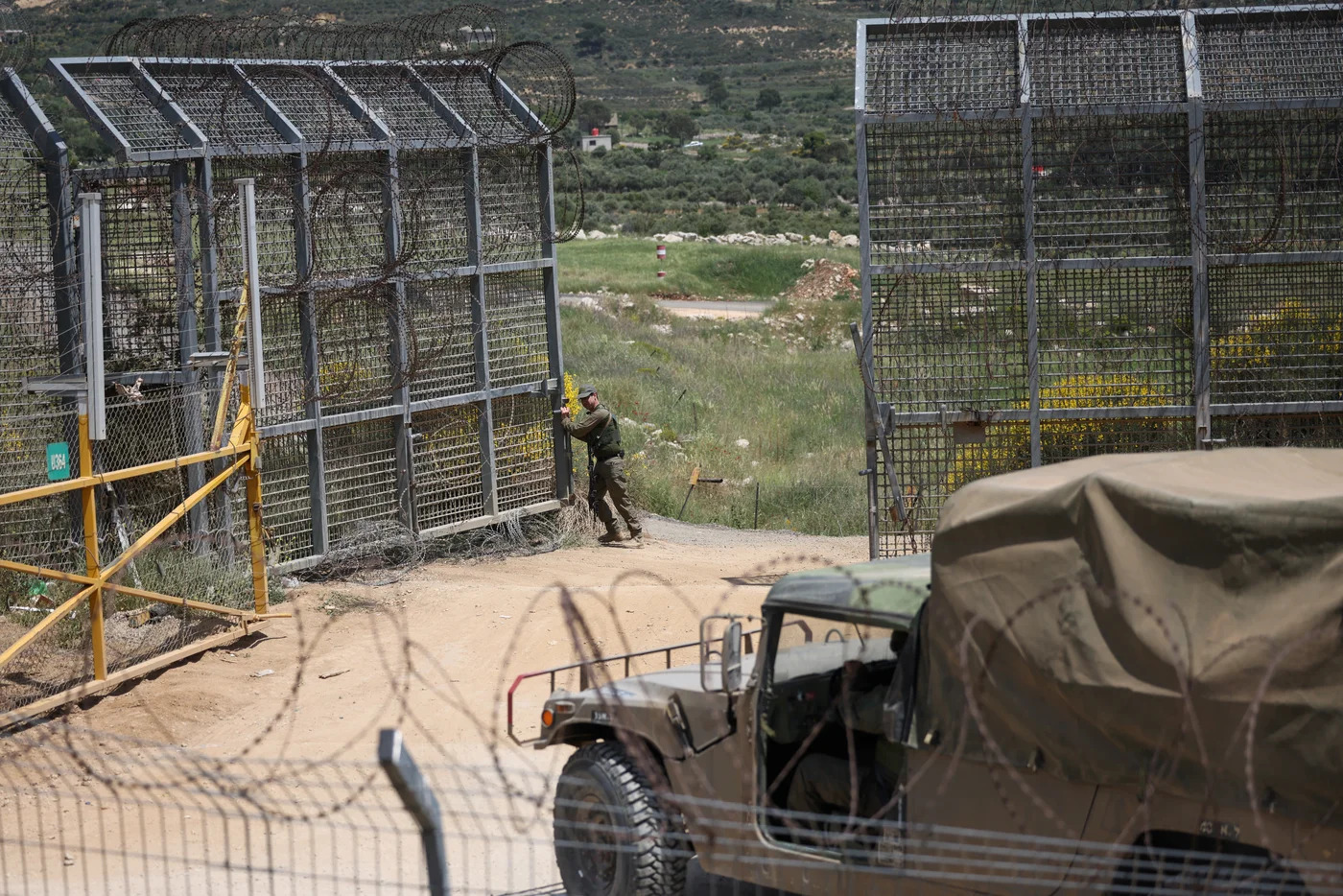
Yet, what was once unthinkable is now, according to well-placed leaks, weeks away. A US-brokered, Gulf-backed agreement is reportedly close, with an announcement penciled in for Sept. 25 at the UN General Assembly. Far from being a comprehensive peace, the proposed deal is framed as a limited nonaggression pact: Israel would refrain from attacking Syria in return for security guarantees, particularly concerning the Druze minority in the south. The terms also include demilitarization from the Golan to Sweida, a ban on advanced missile and air defense systems that could threaten Israel’s air dominance and a humanitarian corridor into Druze areas. In exchange, Syria would receive US and Gulf aid for reconstruction, while Israel would seek to block Turkish involvement in the rebuilding of the Syrian military.