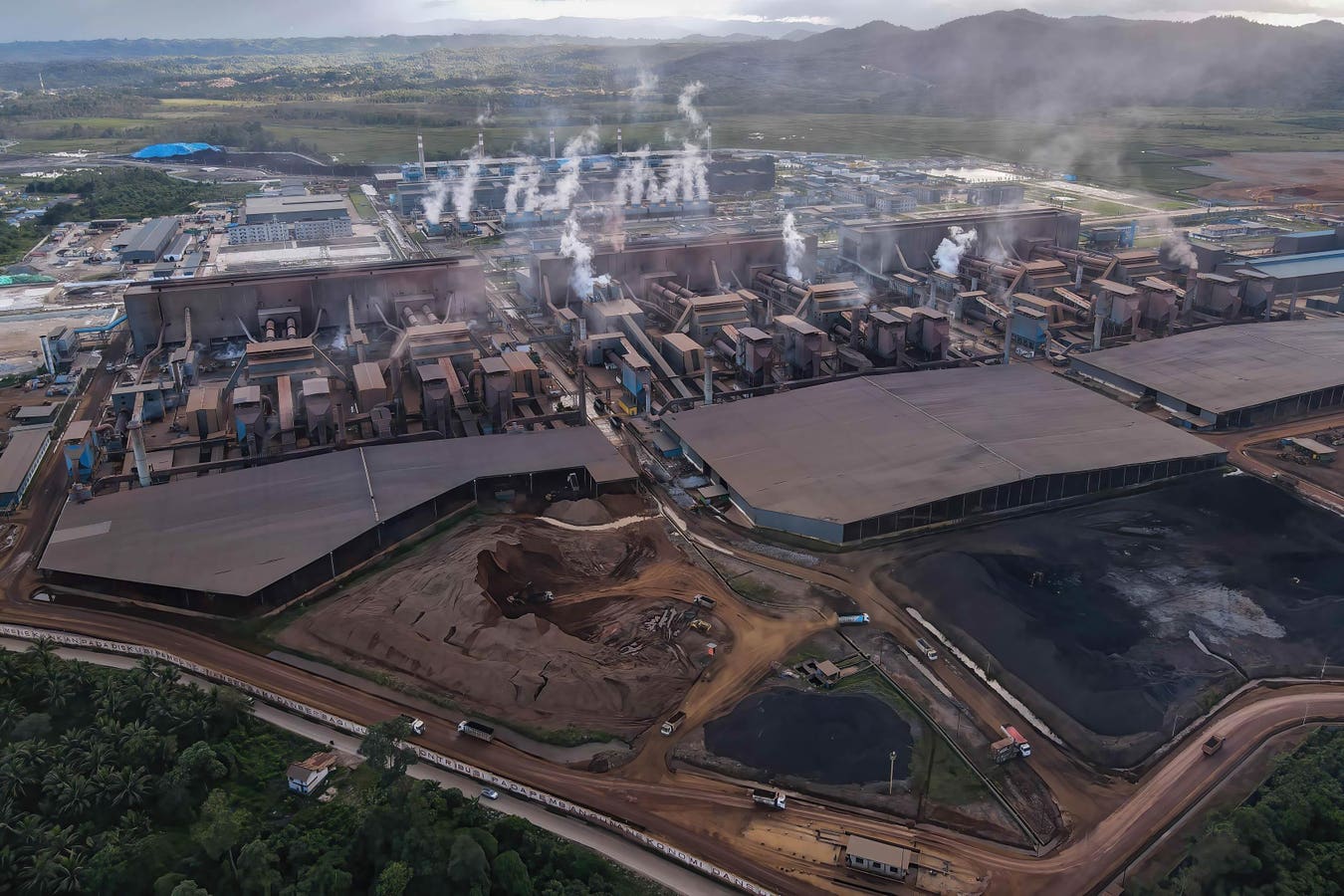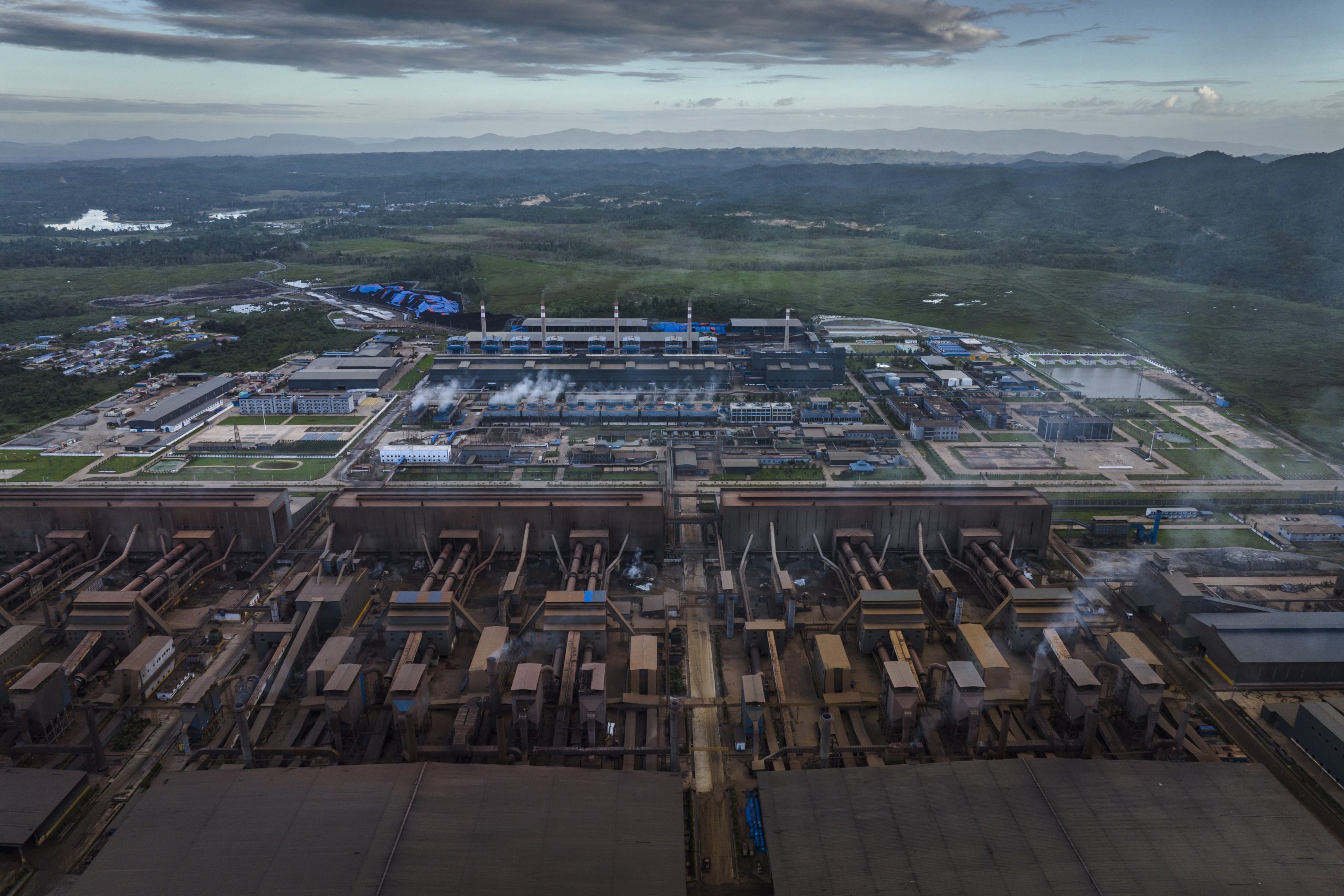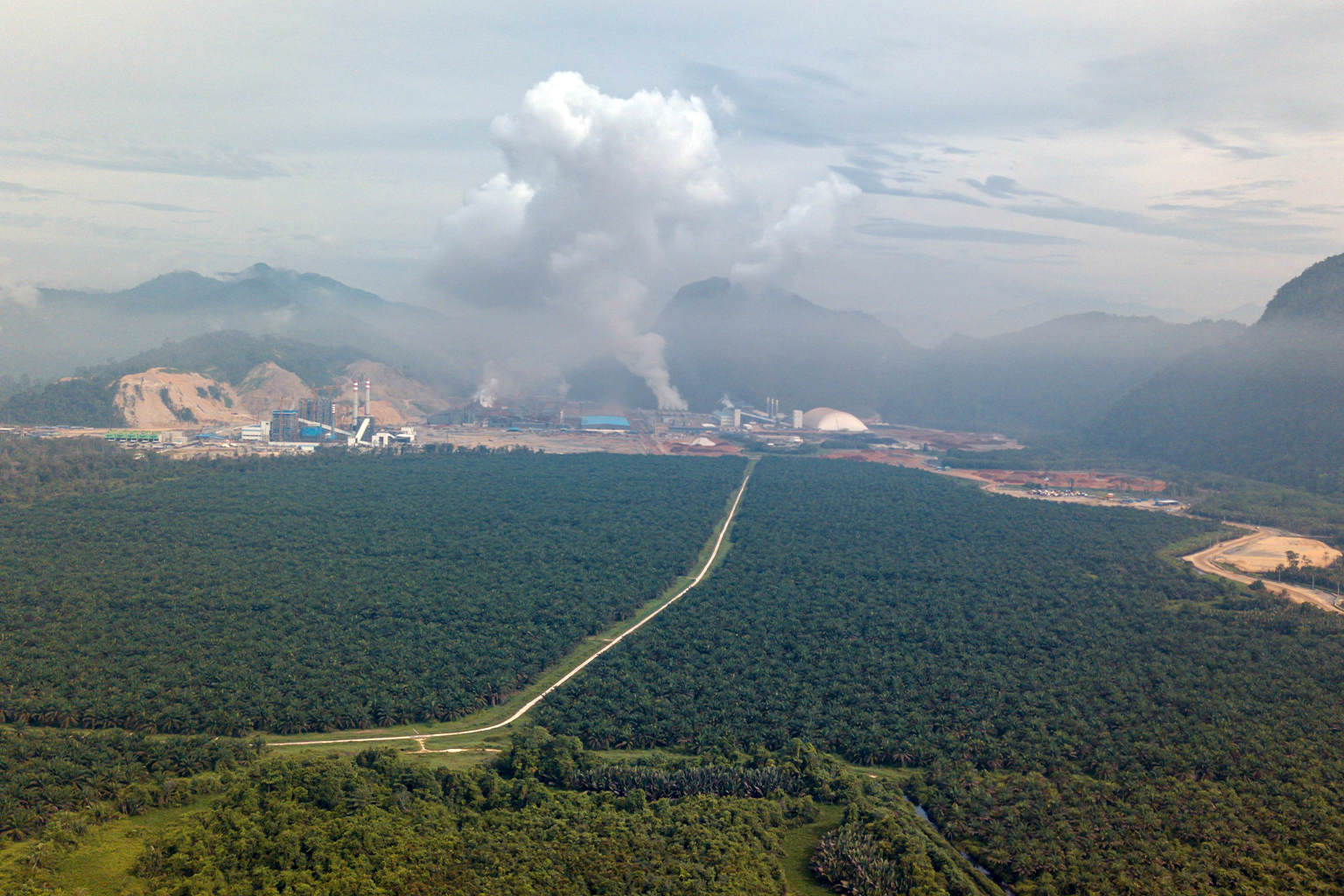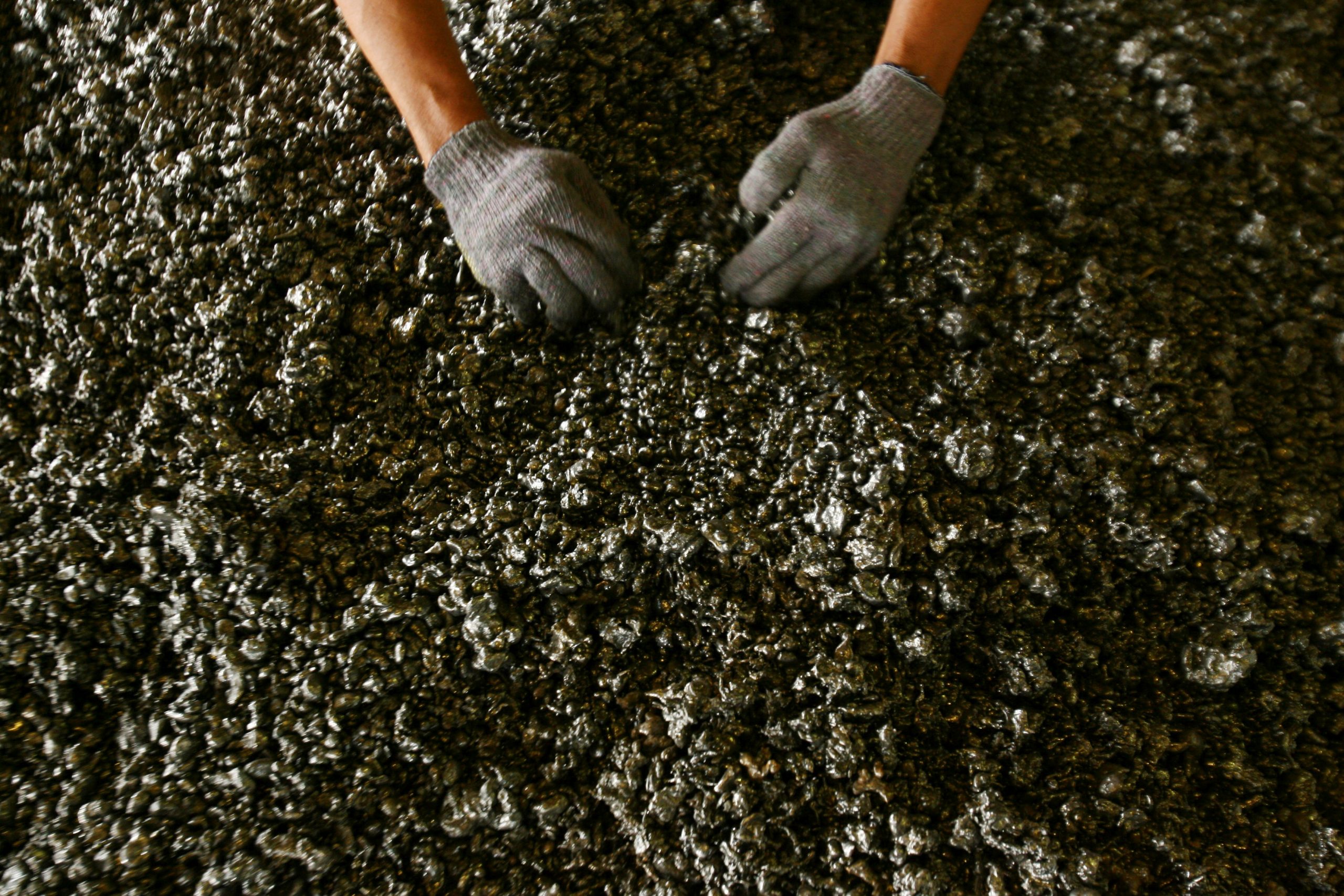
Bhima Yudhistira Adhinegara is the Executive Director of the Center of Economic and Law Studies (CELIOS), an Indonesia-based economic think tank. Muhammad Zulfikar Rakhmat is the Director of the China-Indonesia desk at CELIOS. Indonesia produces around 60% of the world’s nickel, a metal used to manufacture batteries for electric vehicles (EVs) – more than any other country in the world. But in 2026, the government sharply reduced how much of its nickel can be extracted from the ground. Production quotas were reduced by around 40% this year compared to 2025. Weda Bay, the largest nickel mine on Earth, had its allowance cut by more than 70% and exhausted its full-year quota by the end of May, halting mining entirely; it cannot resume large-scale extraction until next year unless regulators grant an extension.The policy has sparked a vivid debate in Indonesian policy circles: how can the country shift its strategy from a decade of mining vast quantities of cheap nickel to producing a high-value and low-carbon material that the rest of the world wants for EV batteries.The cuts aren’t a silver bullet to clean up Indonesia’s nickel industry, whose smelters are powered by coal – the most polluting fossil fuels. But alongside stricter enforcement of environmental rules, it is one side of efforts to produce more sustainable nickel for a premium.
Indonesia’s nickel production cuts are not enough to create a sustainable industry
The government is restricting nickel production to push up prices but producing more sustainable nickel for a premium requires addressing the industry's coal issue
220 words~1 min read