Is Pluto really a planet?
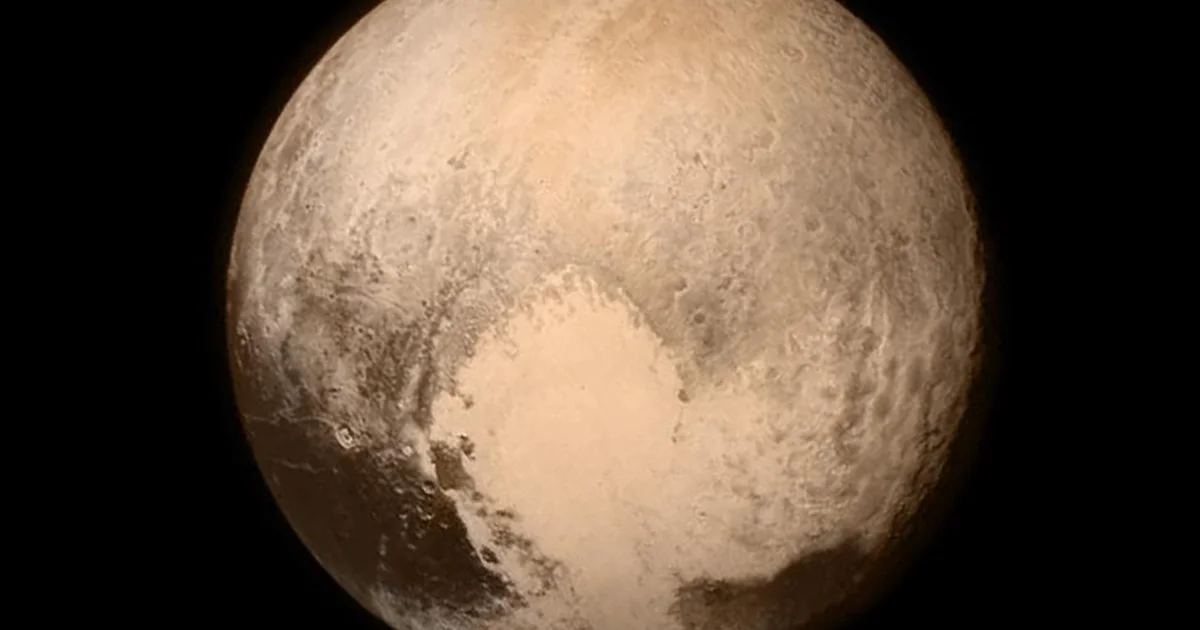
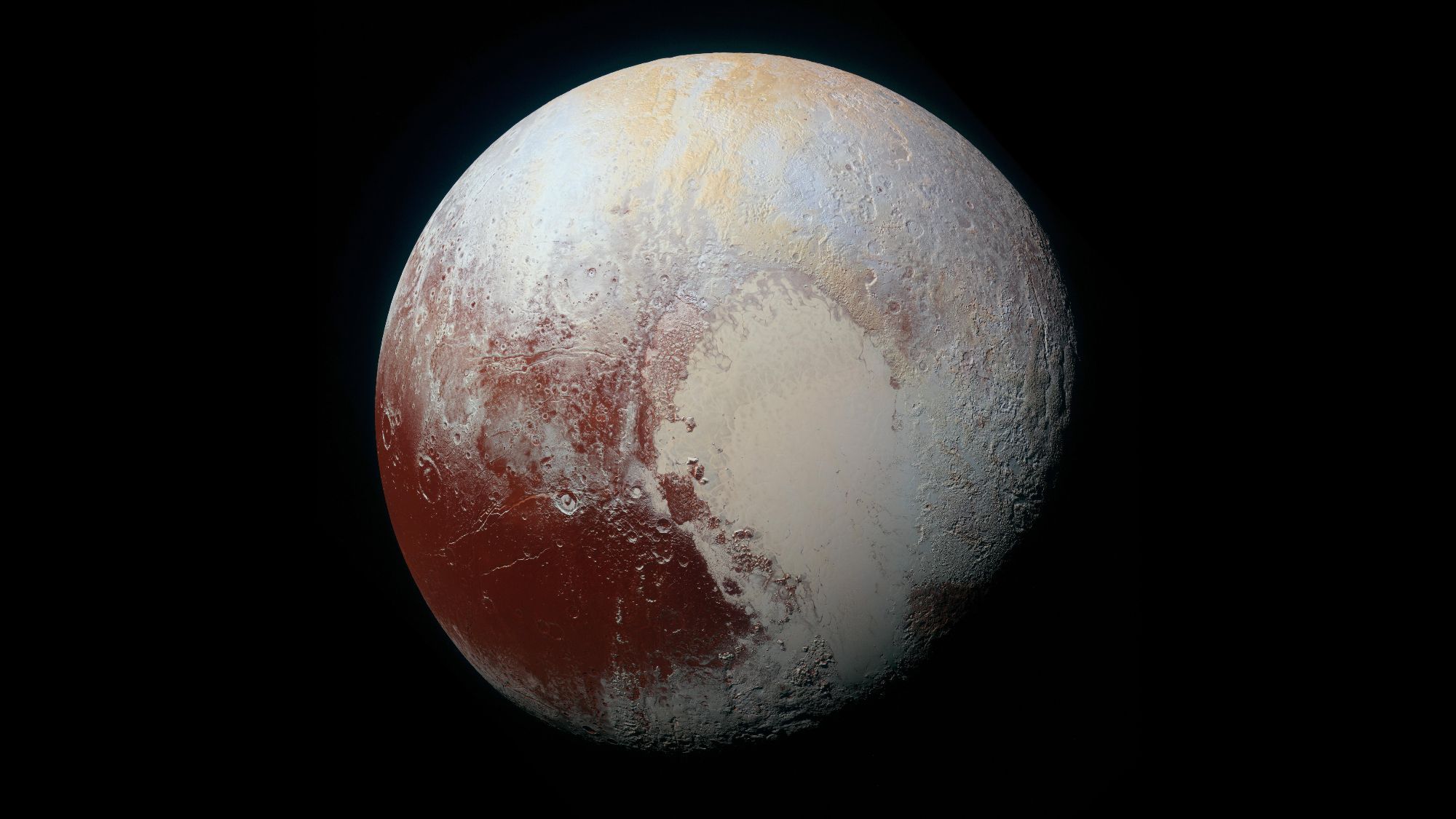
(Image credit: NASA/JHUAPL/SwRI)
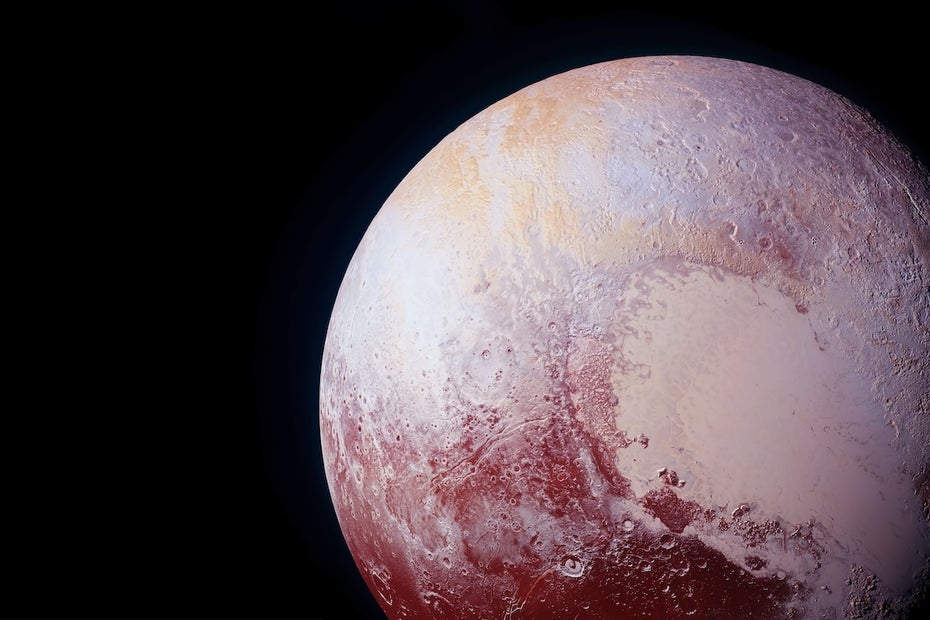
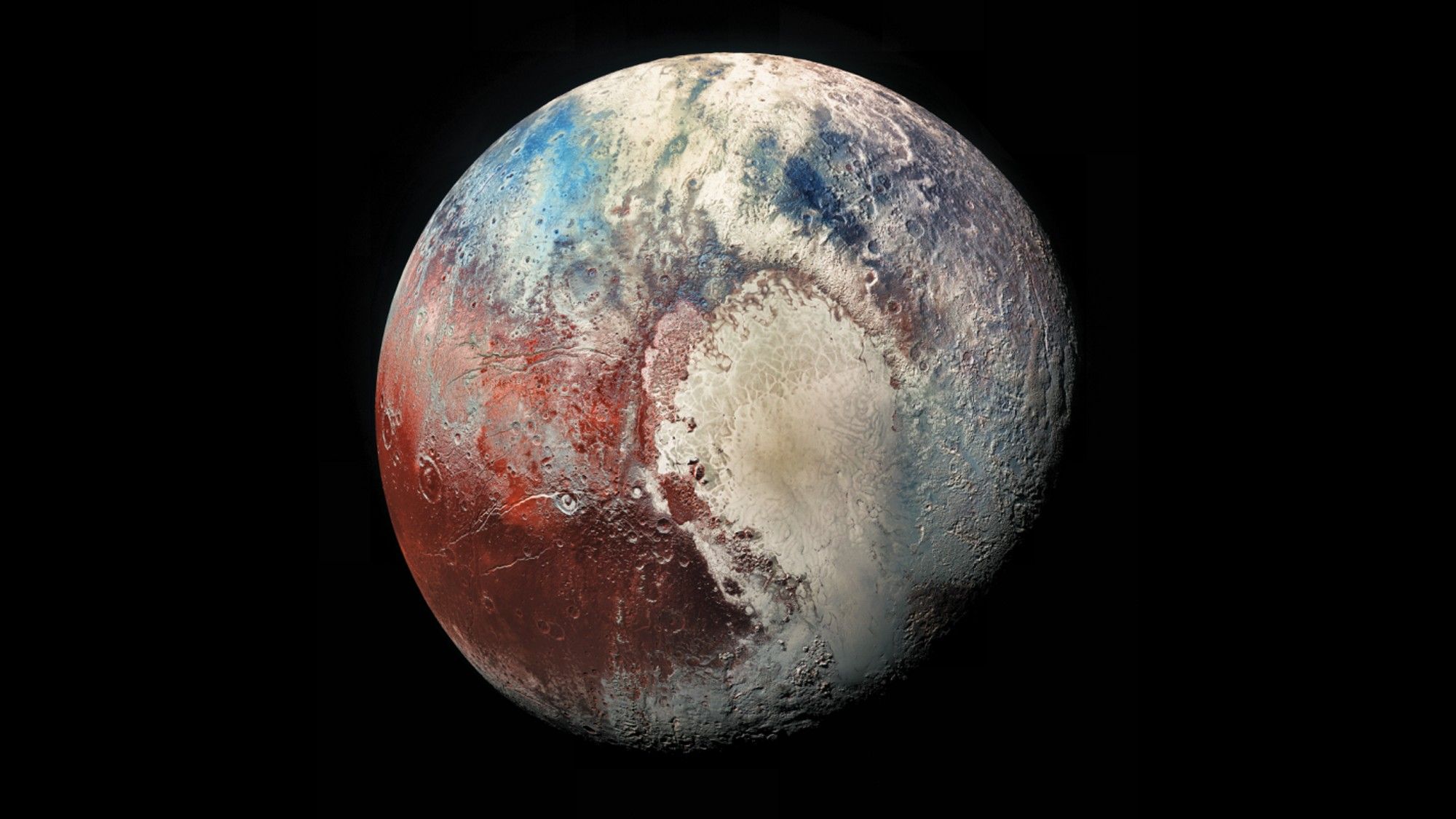
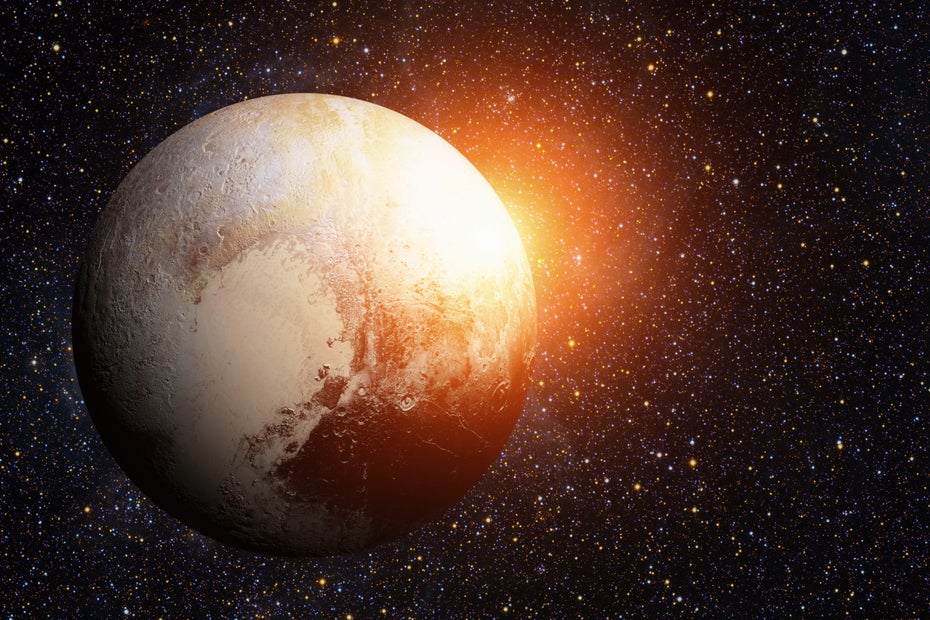
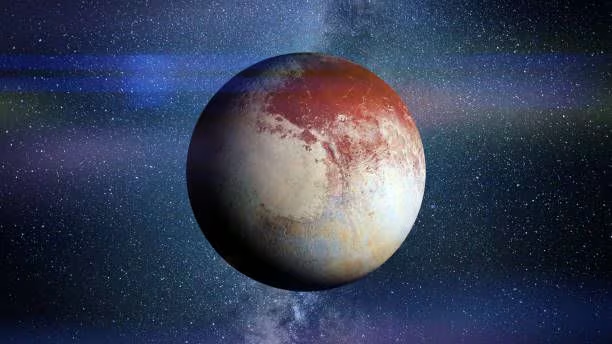
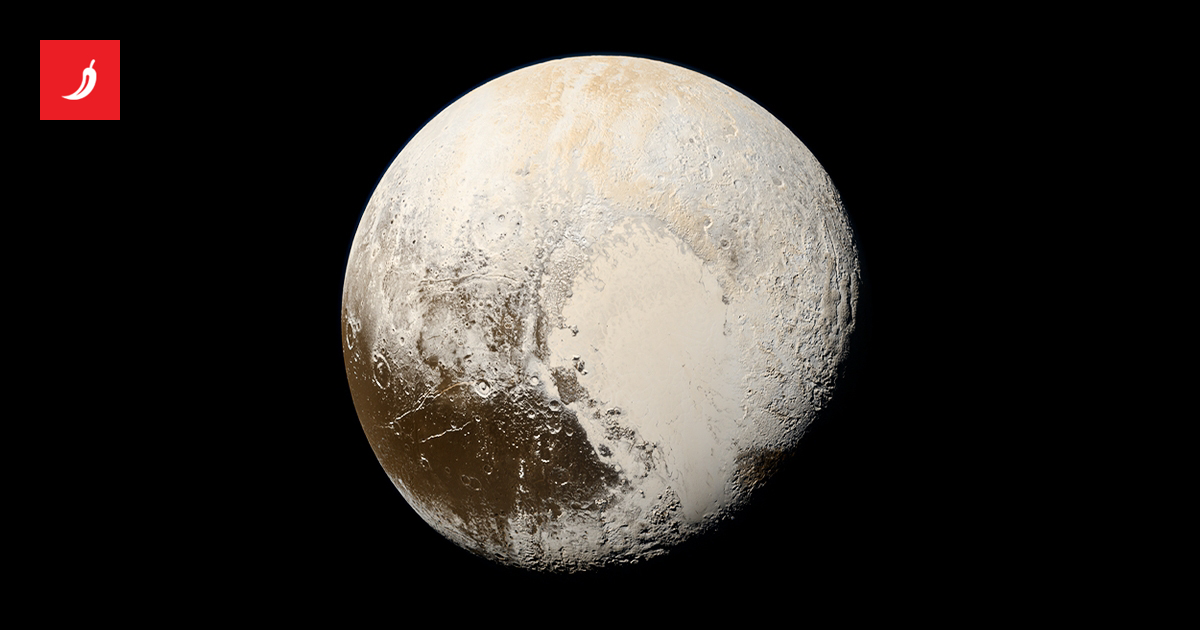
In August of 2006, astronomers at the International Astronomical Union (IAU) democratically voted to reclassify Pluto as a dwarf planet — but 20 years later, with our greater knowledge and understanding of planetary systems, is it time to revisit the controversial decision? Should Pluto be called a planet again?For several years before the IAU vote, there had been agitators among the astronomical community lobbying for our solar system's nine worlds to become eight, and for Pluto's planetary status to be revoked. In 2000, Neil DeGrasse Tyson even went as far as to remove Pluto from the planets display at the Hayden Planetarium in New York. The questioning of Pluto's status began even earlier, in the 1990s, with the discovery of distant objects in the Kuiper belt beyond Neptune and which had similar orbits to Pluto.It all came to a head in July of 2005 with the discovery of Eris, which is a Pluto-size body even further from the sun than Pluto is. Was Eris the 10th planet? If it was not a planet, then how could we still call Pluto a planet? A year later, the issue was debated at a meeting of the IAU, where astronomers from all over the world convened to discuss various conundrums. Numerous proposals and counter-proposals were put forward, some of which even increased the number of recognized planets to as many as 14. But in the end, Pluto became a dwarf planet.Though Pluto was officially "reclassified," to many in the public it seemed as though Pluto had experienced a demotion. This viewpoint was the one promoted by those scientists who were against the decision such as Alan Stern, who was the principal investigator on the New Horizons mission to Pluto. Stern's spacecraft would launch in 2005 on a journey to a planet, but arrive at a dwarf planet in 2015.Some argued that Pluto was still a kind of planet, just a small one. This argument is undermined somewhat by the IAU giving Pluto a minor planet number — 134340 — which is typically reserved for asteroids. Nationalistic arguments from some in the United States said Pluto should remain a planet because it was discovered by an American astronomer, Clyde Tombaugh, at Arizona's Lowell Observatory in 1930. And when New Horizons reached Pluto, it revealed not a minor body, but rather a complex world in its own right.What is Pluto?Nevertheless, for 20 years, Pluto has remained a dwarf planet, but on the anniversary of that fateful IAU vote, is it time to revisit that decision? Paul Byrne, a planetary astronomer at the University of Washington in St Louis, certainly thinks so."Yes, Pluto is a planet," he told Space.com. And not just Pluto, but the other dwarf planets too: Ceres, Eris, Makemake and Haumea, not to mention the likes of Sedna and Quaoar that are dwarf planets in all but name."Ultimately I think they are all planets and I don't think there's any benefit to not including Pluto as a planet," Byrne said.To a point this entire debate is semantics, and Byrne accepts this viewpoint, reminding us that "Nature doesn't care what we call Pluto."However, perception is another matter, which is where Byrne thinks that the IAU's 2006 decree ultimately failed us. Byrne describes how, when he gives public talks about the planets, members of the audience don't ask questions about Pluto's amazing active nitrogen glaciers or what formed its giant heart-shaped feature. Instead, they want to know why it was demoted. The entire issue has got in the way of presenting the science to the public."We've done a massive disservice to the public from a science communication perspective," Byrne said. "The messaging has got in the way of trying to understand what Pluto is."