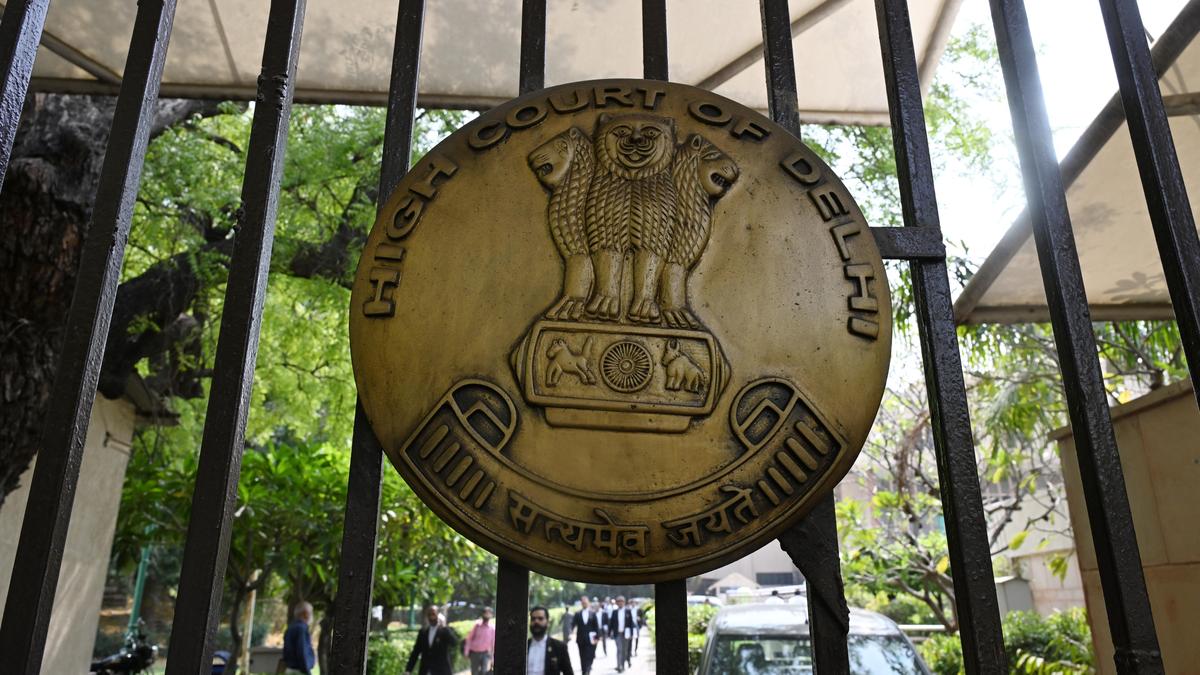
Live-in relationships are having a moment in Indian courtrooms. Last week, the Delhi High Court made two important observations about such relationships. Though made in separate cases, the two observations are closely related.
On 20 August, Justice Swarana Kanta Sharma questioned the government on the lack of legal recognition for same-sex partners to act as medical representatives for each other.“The law recognises a live-in relationship between a man and a woman. Why will it not allow a live-in relationship between a man and a man?” Justice Sharma asked the Centre.
Arshiya Takkar, who has been in a relationship with advocate Chand Chopra since June 2015, filed the petition in July last year. In December 2023, the couple held a commitment ceremony in New Zealand. But Indian law does not recognise their relationship.While the government counsel asked the court for time to “take instructions” from the authorities, senior advocate Saurabh Kirpal highlighted that the court had already given the Centre a ‘last opportunity’ to file its counter affidavit in July 2025.A week earlier, the Delhi High Court observed that a live-in relationship between consenting adults is “akin to marriage”. Justice Saurabh Banerjee made the observation while granting police protection to a heterosexual couple in a live-in relationship. The couple alleged threats from the woman’s family.“The petitioners herein, though in a live-in relationship, are not legally married to each other. However, being consenting adults, the same is akin to marriage,” the court observed.The answer to Sharma’s question can be found in Banerjee’s observation.Rights to queer couples