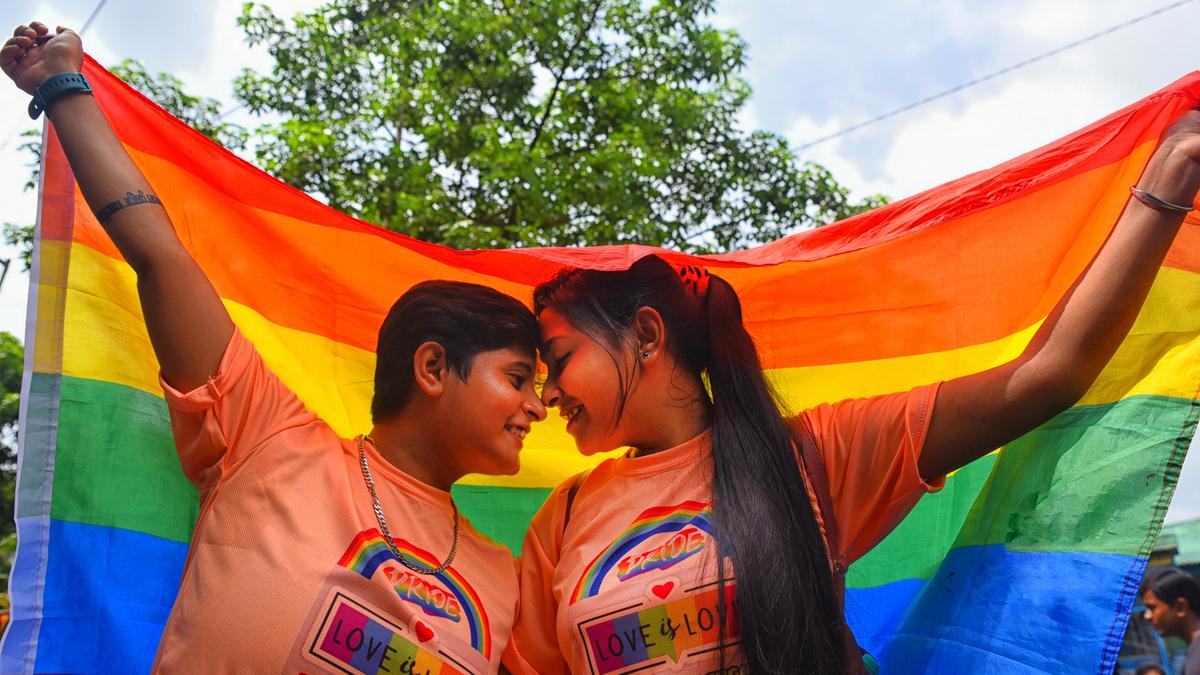
Bengaluru-based Sukanth Rallapati and Vaibhav Dalal have been together for 14 years. They own a piece of land, run a household, and have built, by every measure that matters to them, a family. When they bought that land as an investment a few years ago, both their names were added to the title once the transaction closed. There was no way to record what they were to one another.“We couldn’t say we were each other’s spouse or partner in any legally meaningful sense,” says Sukanth, 48. That’s a reality queer couples continue to navigate.”On October 17 2023, the Supreme Court declined to grant same-sex couples the right to marry, holding in a 3-2 verdict in Supriyo v. Union of India that the question belonged to Parliament. Almost three years on, Parliament has not acted. There is no marriage, no civil union, and no registered partnership.There was, briefly, the appearance of movement. On August 28 2024, the Finance Ministry clarified that queer couples face no restrictions in opening a joint bank account or naming a partner as nominee; the Reserve Bank of India had told scheduled commercial banks the same a week earlier. Read carefully, the advisory created nothing. It clarified that no bar had ever existed. What stopped couples was rarely the rulebook. It was the counter, where two unrelated men or women asking to bank together have often been met with questions about a relationship that, without marriage, cannot be proved on paper.
Why Same-Sex Couples in India Still Struggle With Banking, Inheritance and Medical Rights
Why Same-Sex Couples in India Still Struggle With Banking, Inheritance and Medical Rights
958 words~4 min read