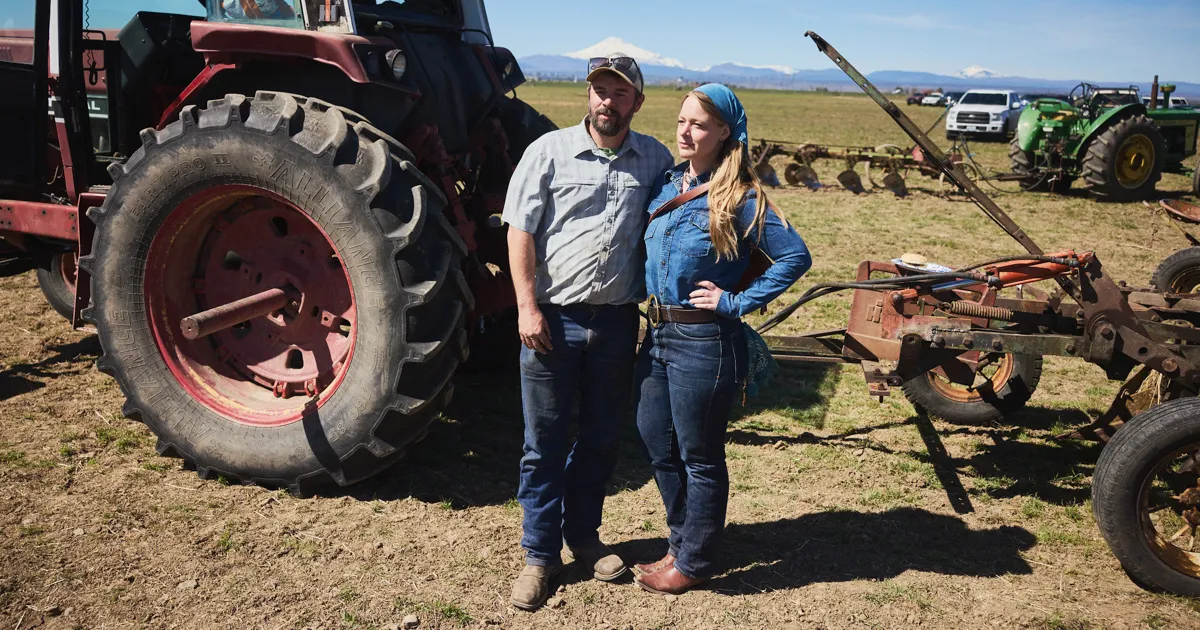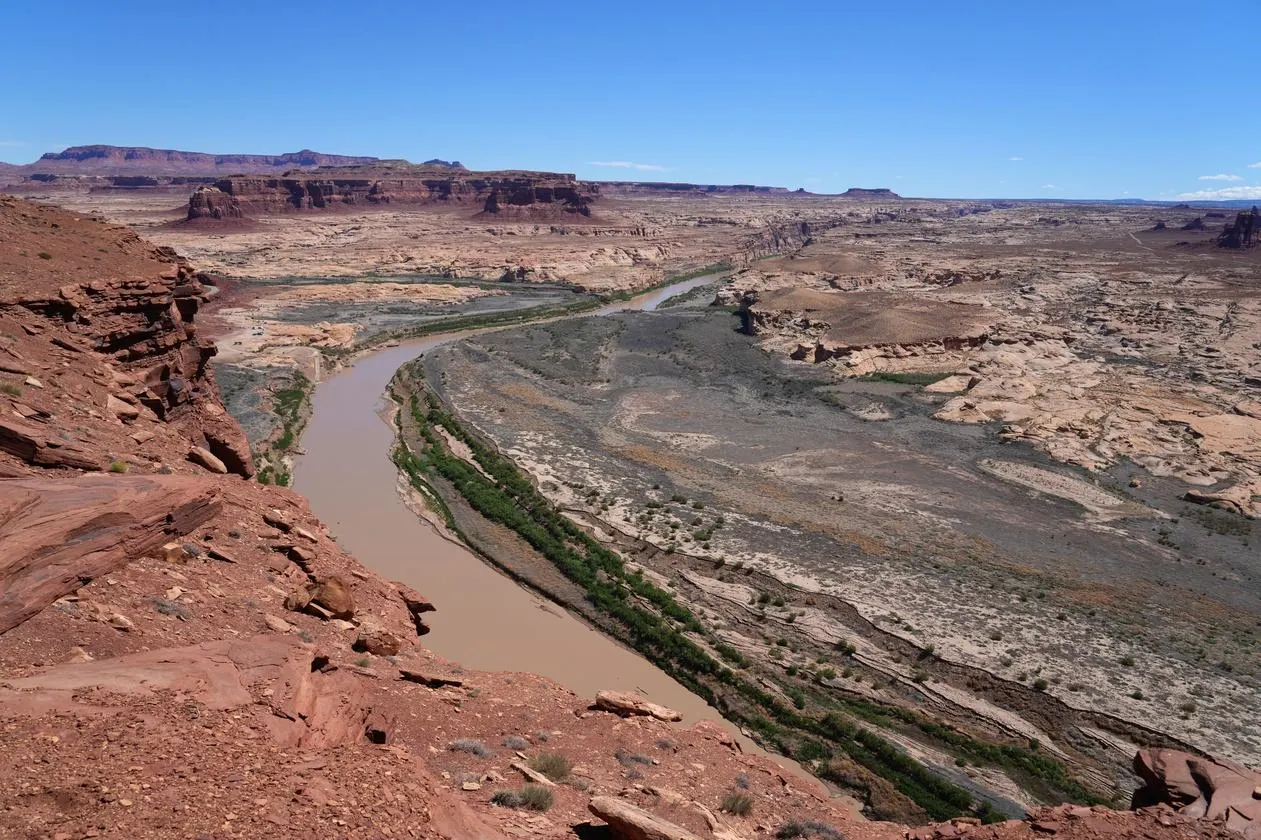
Years ago, during the Great Recession, I attended an event sponsored by an environmental organization that had formed in protest to a planned dam construction project on the Cache La Poudre River in northern Colorado. At the time, my husband and I owned water rights that drew from that river system, which we used to irrigate our small-scale vegetable farm. Most of the farmers in our rural community were in favor of the dam, but as environmentalists, we opposed it. I admired the work the group was doing and was considering joining myself.Article continues after advertisement
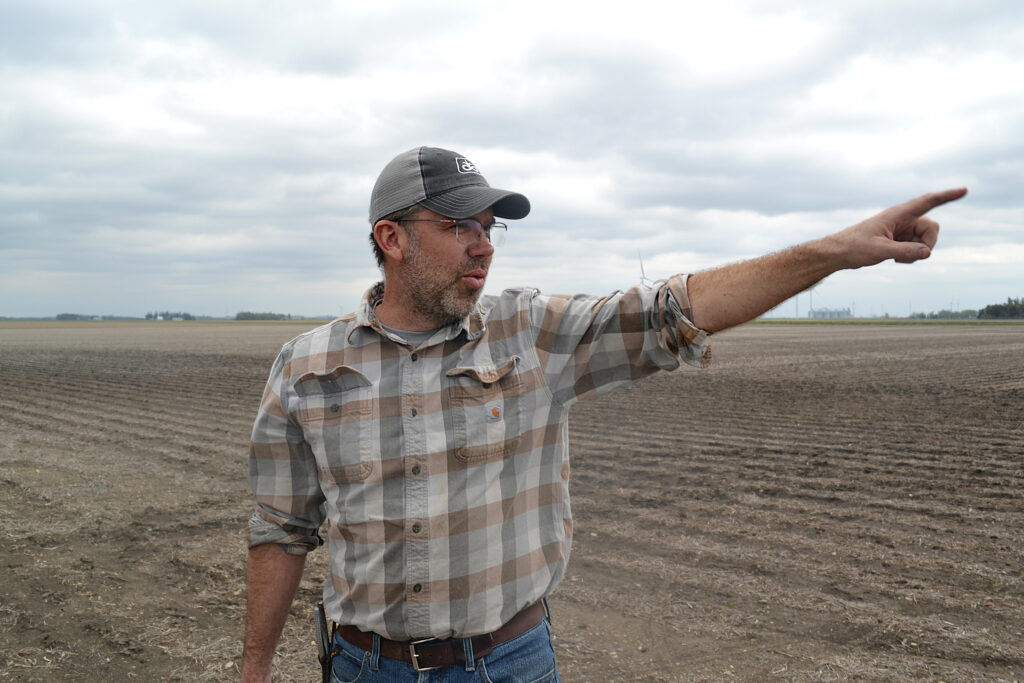
That is, until one of the group’s members, upon hearing I was a farmer, cornered me to deliver a condescending lecture about how agriculture should be managing water. I might have still had water spots on my glasses from installing our drip irrigation system, and I was not about to be farm-splained by some dude who wouldn’t know a ball valve from an intake line. I’ve come to believe that the most effective activism often involves sitting in long, boring meetings with people you find vaguely annoying even though you are on the same side, but I never went back to any of that group’s events.
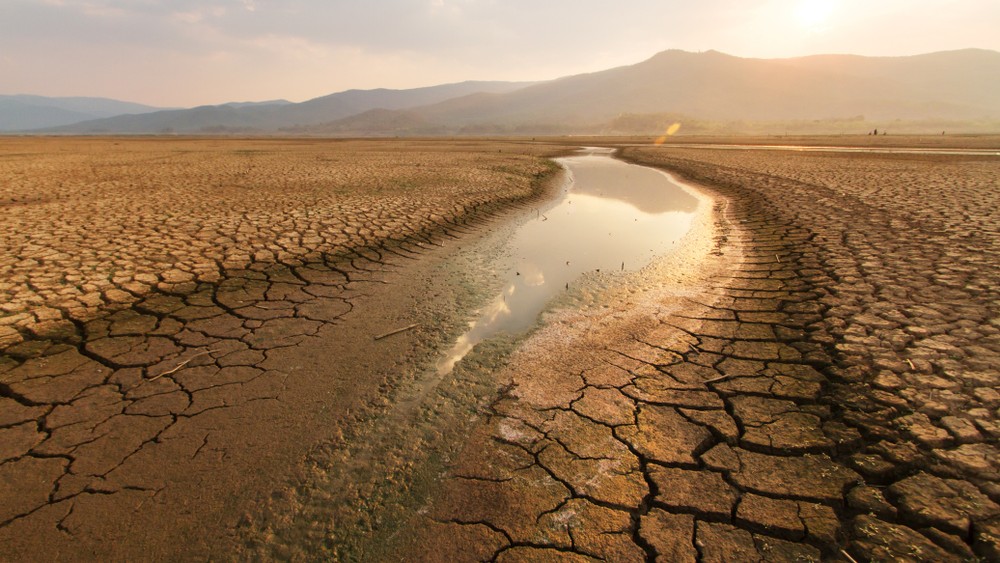
I wanted to write a novel in which the water crisis of the American West was “redeemed by the imagination.”