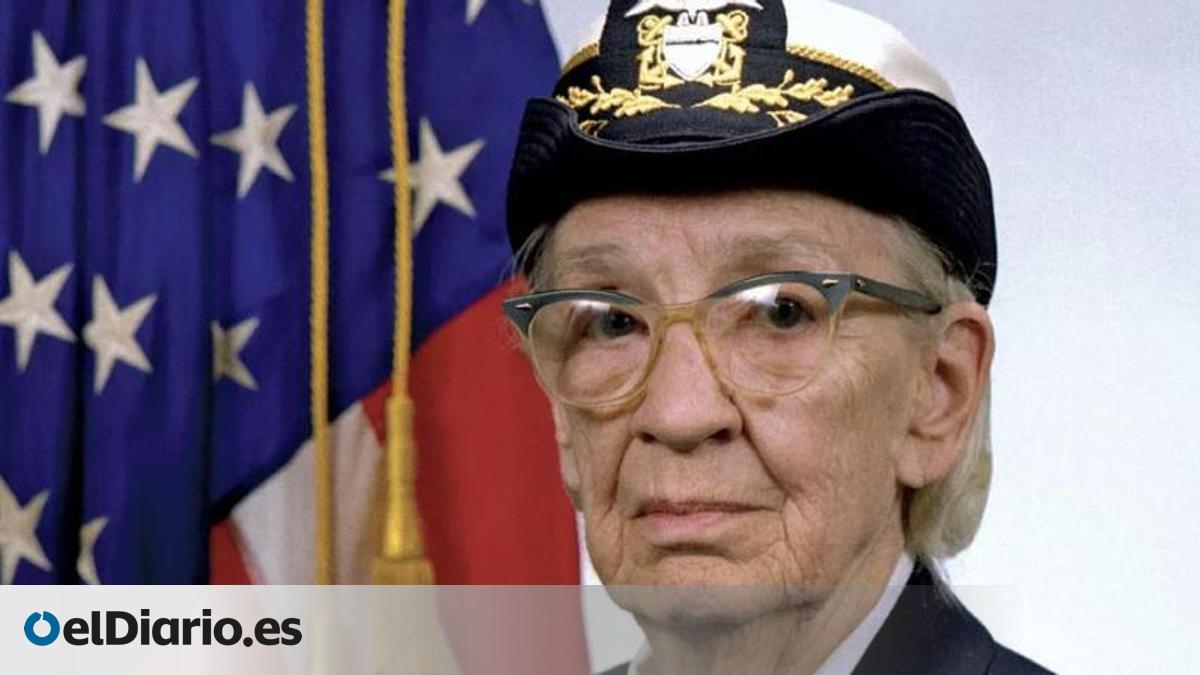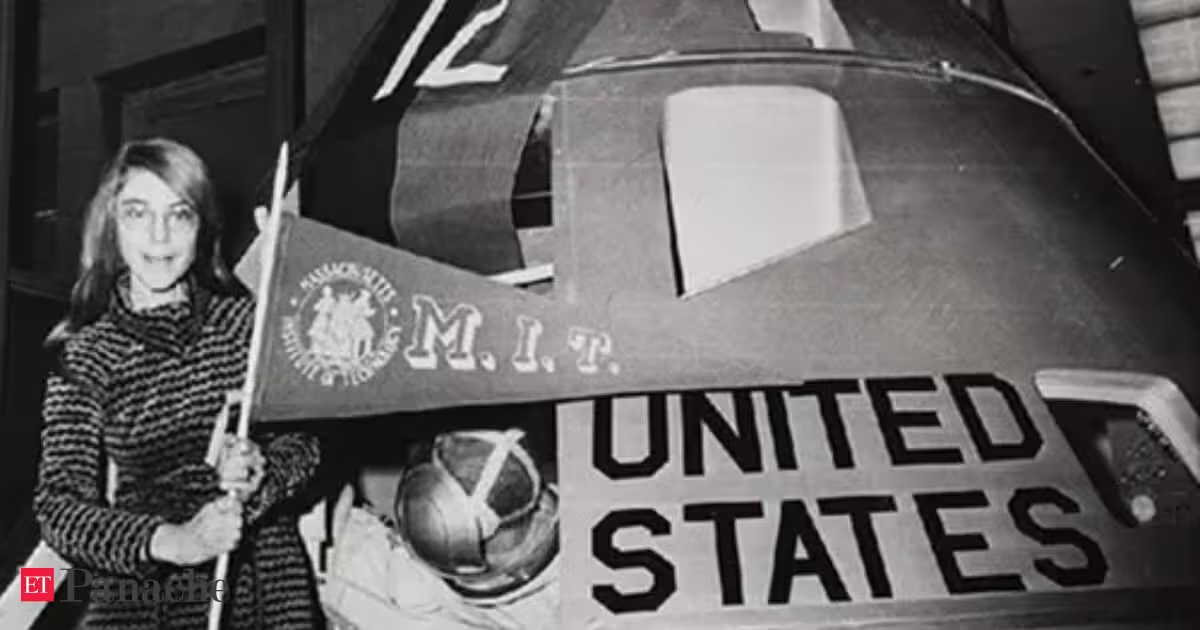
On July 20, 1969, Neil Armstrong, Buzz Aldrin and Michael Collins charted history with Apollo 11, the first mission to land humans on the Moon. While Armstrong and Aldrin became the faces of the historic moment, another name played a crucial role behind the scenes. Margaret Hamilton, a computer scientist from Indiana, led the team that developed the onboard flight software that guided the Apollo spacecraft. Her work helped make the Moon landing possible and transformed how the world viewed software engineering.Margaret Hamilton and the software behind Apollo 11According to information on the NASA website, MIT played a critical role in developing the flight software for NASA’s Apollo programme. The software was created to support the spacecraft’s guidance system and help astronauts navigate the demanding journey to the Moon. Margaret Hamilton was one of the key figures in that effort. She led the Software Engineering Division at the MIT Instrumentation Laboratory, which had contracted with NASA in 1961 to develop the Apollo programme’s guidance system.Hamilton directed the development of the onboard flight software for the Apollo Guidance Computer used during the Apollo missions. Her work was so influential that she is widely credited with popularising the term software engineering. Born in Indiana, Hamilton went on to become one of the most important figures in the early history of computer science. She was the first female programmer on the Apollo project and later became Director of the Software Engineering Division.Image credit: NASAThe software had to handle the unexpectedHamilton’s team was responsible for writing and testing the onboard software used by the Apollo spacecraft’s Command and Lunar Modules. The team also worked on software for the subsequent Skylab space station.A particularly important part of their work involved error detection and recovery. This included restart systems and the Display Interface Routines, also known as Priority Displays, which Hamilton designed and developed. The importance of this work became clear during Apollo 11’s descent. As the lunar module approached the Moon, the onboard computer began receiving more data than expected because of radar activity. The software’s ability to prioritise critical tasks helped prevent the computer from becoming overwhelmed.You Might Also Like:Hamilton later recalled the moment while speaking to MIT News. She said that everything had been going according to plan until something completely unexpected happened during the astronauts’ landing. She remembered that she immediately focused on the software and monitored how it was performing throughout the mission.From Apollo to the Presidential Medal of FreedomHamilton had not been the first programmer hired for the Apollo project at MIT. However, she became the first female programmer on the project and eventually led its Software Engineering Division. She later founded Higher Order Software in 1976 and Hamilton Technologies in 1986, both in Cambridge, Massachusetts.Her contribution to the Apollo programme earned her one of the highest honours in the United States. On November 22, 2016, Hamilton received the Presidential Medal of Freedom from President Barack Obama for her work leading the development of the onboard flight software for NASA’s Apollo Moon missions.You Might Also Like:More than five decades after Apollo 11, Hamilton’s work remains a defining chapter in the history of space exploration and software engineering. The Moon landing was witnessed by millions, but behind that historic moment was software designed to keep the mission on course when the unexpected happened.
In 1969, she helped Apollo 11 carrying Neil Armstrong land on the moon. Indiana woman wrote the code that made it happen. She was MIT's first female programmer
Margaret Hamilton, a computer scientist from Indiana, played a crucial role in NASAs Apollo programme by leading the team that developed the onboard flight software for Apollo spacecraft. According to NASA, her work helped make the 1969 Moon landing possible and popularised the term software engineering. During Apollo 11, her software handled unexpected computer overloads during the lunar descent. Hamilton later received the Presidential Medal of Freedom from Barack Obama in 2016.
552 words~3 min read