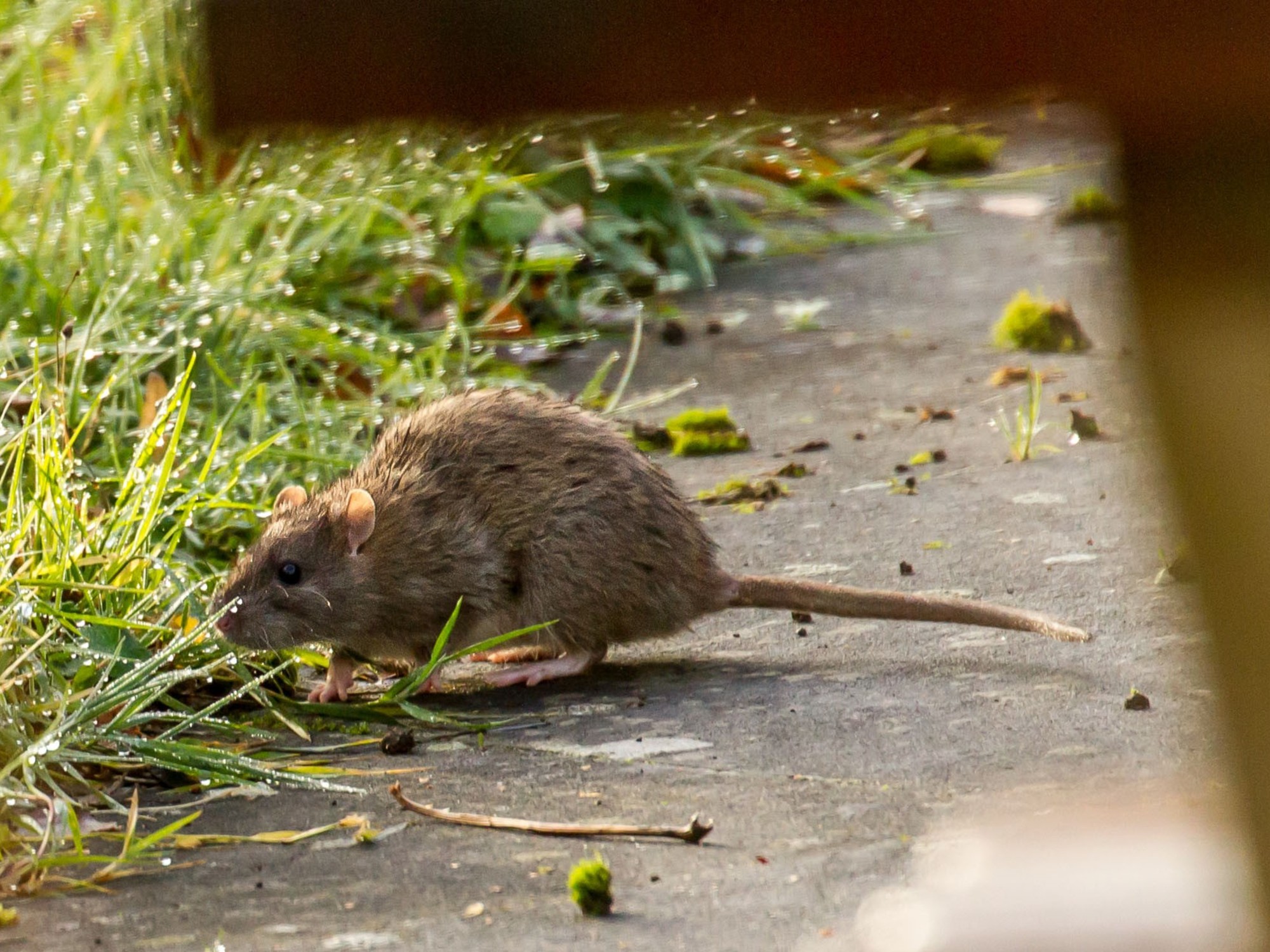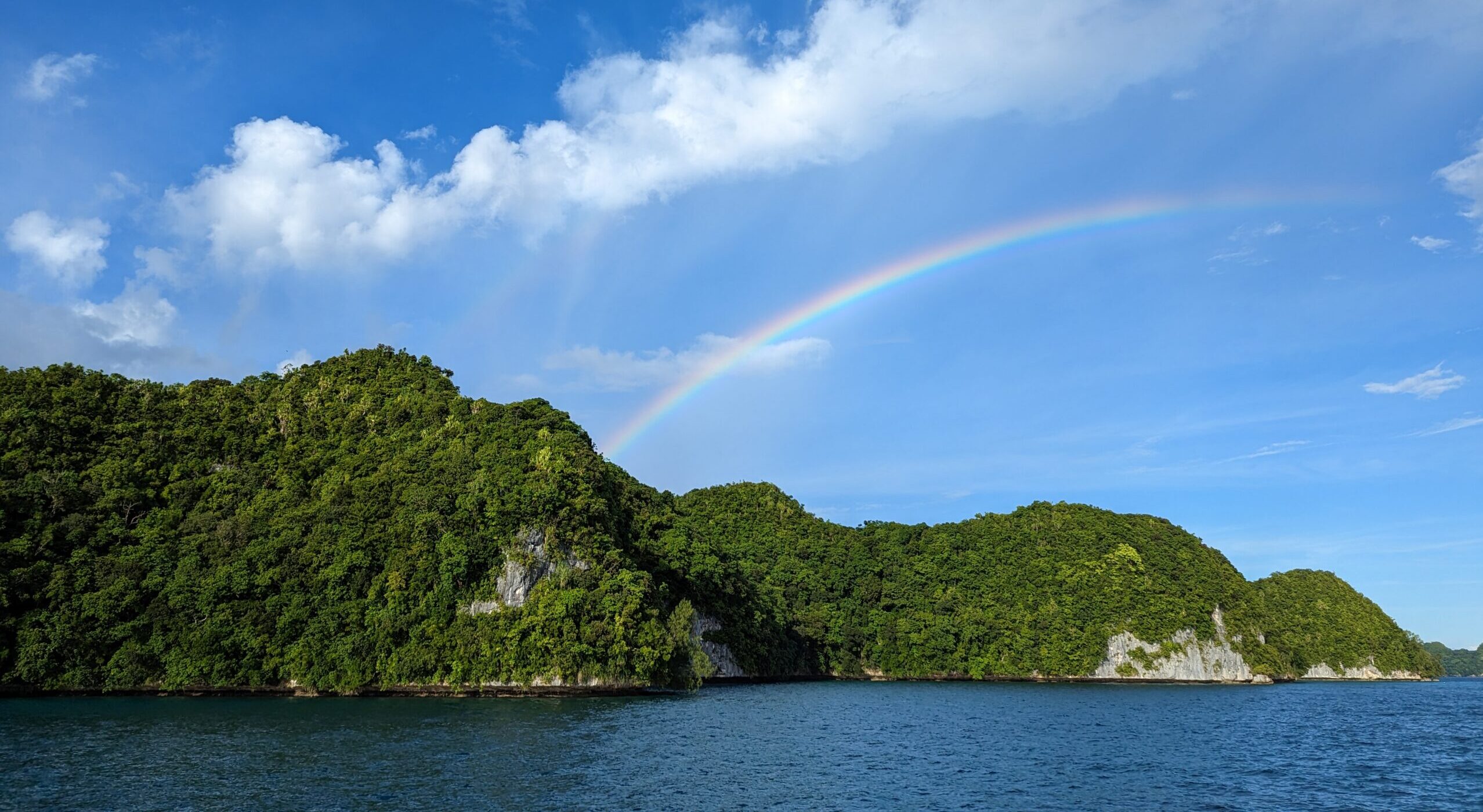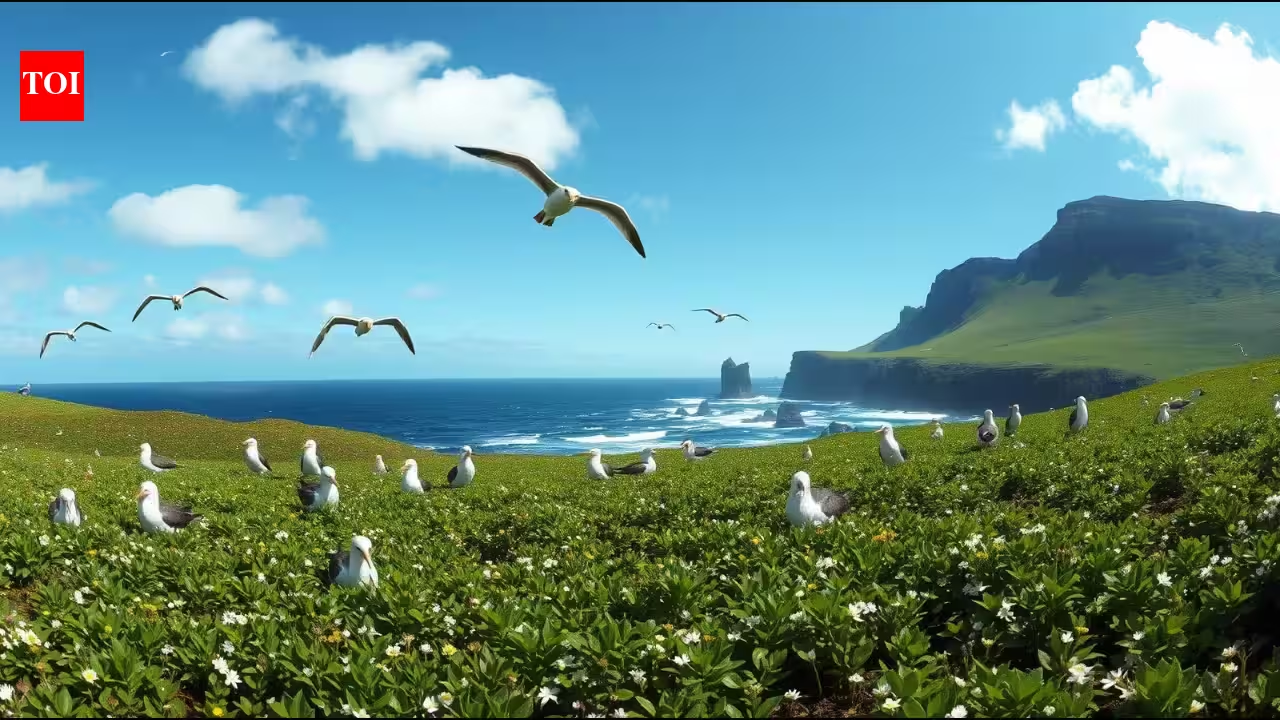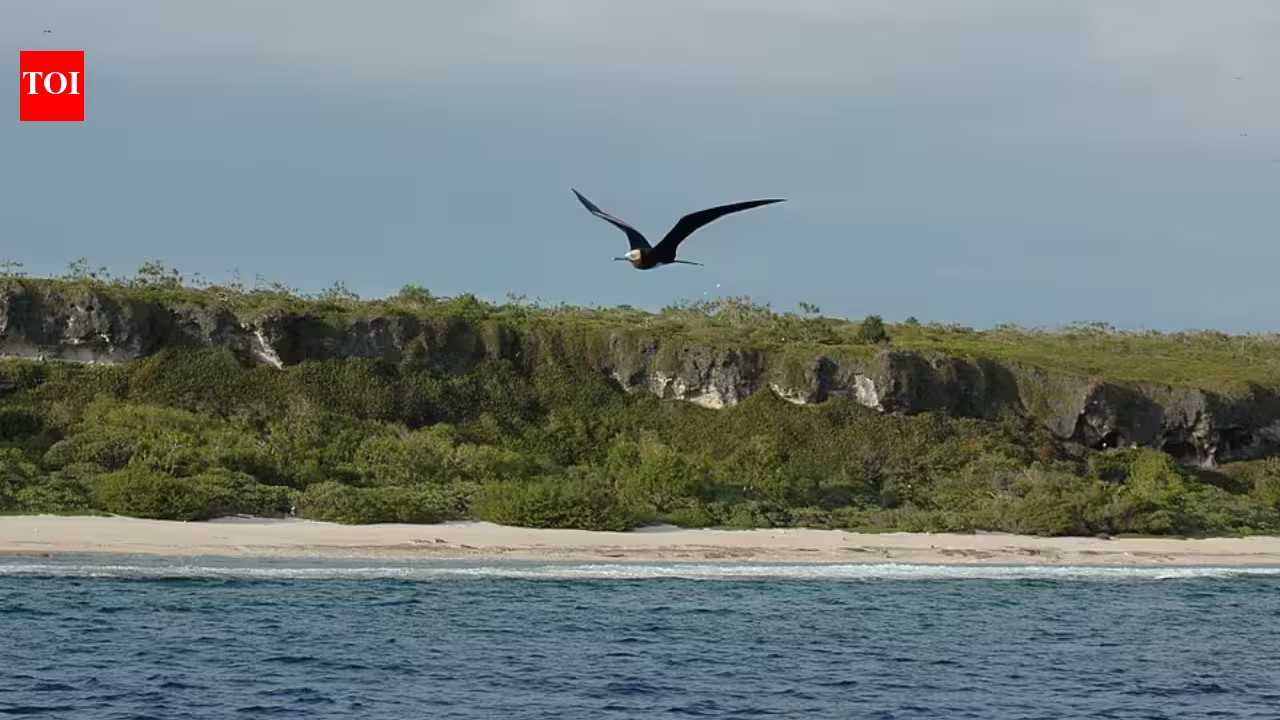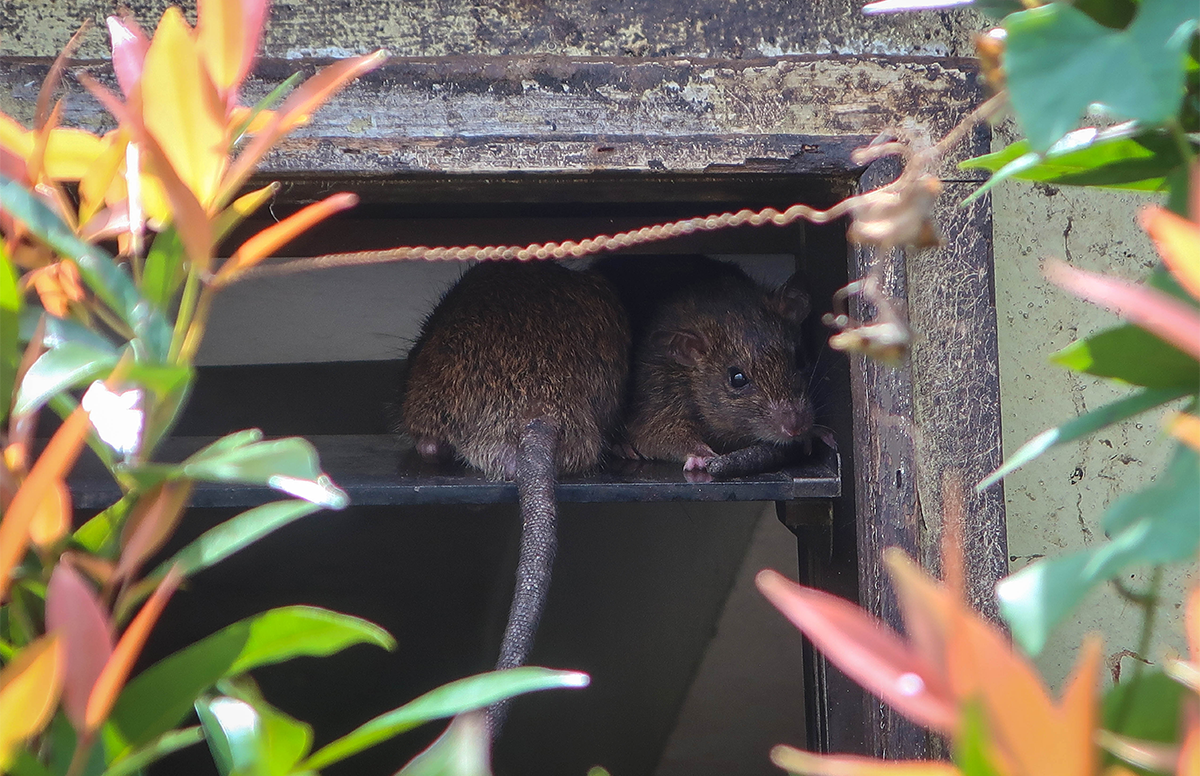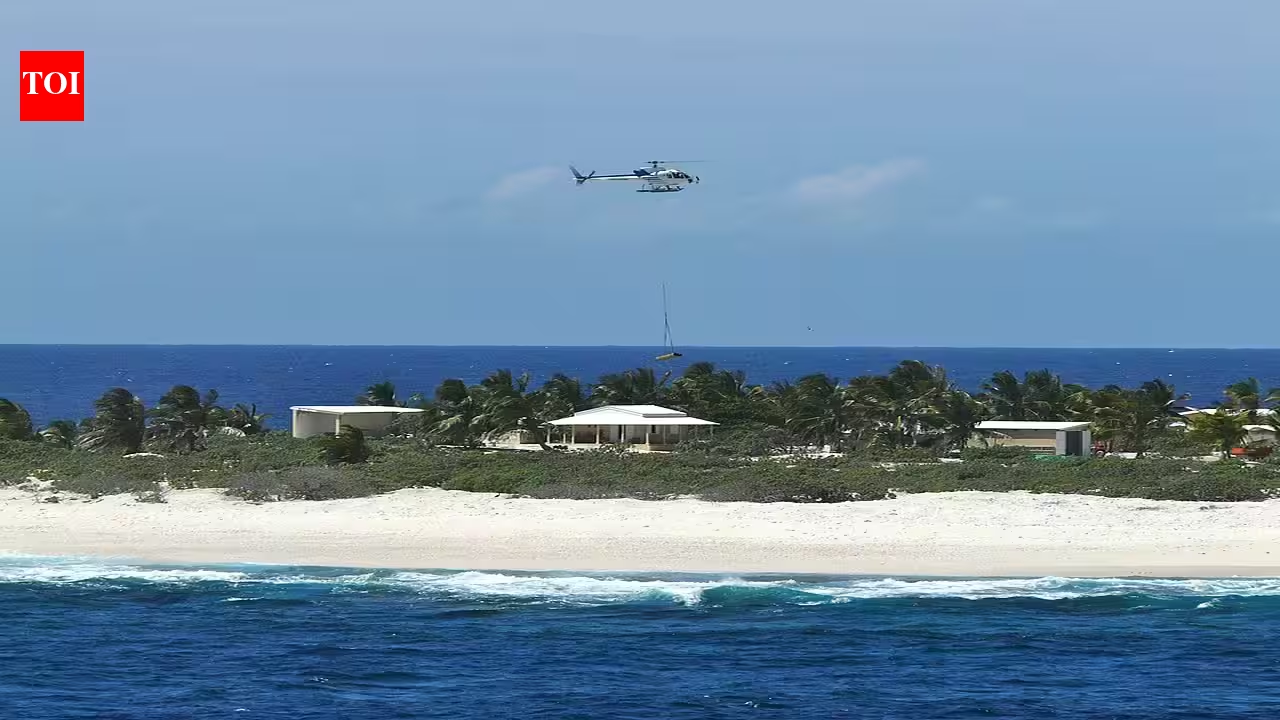
Tromelin Island, Indian Ocean. Image Credits: Wikimedia Commons.For centuries, rats on a tiny island in the western Indian Ocean had an outsized impact on its wildlife. They fed on seabird eggs and chicks, gradually reducing a once-diverse breeding community to just two species. Then, in December 2005, French conservation teams succeeded in eradicating Norway rats from Tromelin Island. The change was remarkably quick. By 2013, the populations of both red-footed and masked boobies had more than doubled, and within the following years five other seabird species returned to breed, including birds that had not nested there for more than a century.Tromelin is a small, flat coral island of about 100 hectares in the western Indian Ocean, roughly midway between Madagascar and Mauritius. Its isolation might suggest a refuge for wildlife, but islands can also be particularly vulnerable to introduced predators because native species often evolved without mammals such as rats. Tromelin became an example of that problem, and later of how quickly an ecosystem can respond when the pressure is removed.A seabird colony under siegeTromelin once supported a much richer seabird community. Historical evidence suggests that between six and eight species bred on the island, including frigatebirds, terns, noddies and boobies. The situation changed after rats were introduced, probably centuries ago. By 2005, only red-footed boobies and masked boobies were known to breed there, with 130 and 224 breeding pairs, respectively. Rats could affect seabird populations without necessarily reducing the number of adult birds directly. By preying on eggs and chicks, they reduced the number of young that survived to adulthood, making it harder for some species to maintain breeding populations. This was particularly important for seabirds, many of which live for years but produce relatively few young. With rats able to reach their nests, Tromelin became a less secure place for seabirds to reproduce.The problem was recognised as part of a wider conservation effort across France's remote Indian Ocean islands. In December 2005, Norway rats were successfully eradicated from Tromelin. An attempt was also made to remove introduced house mice, but that part of the operation failed, and the mice returned within six months. Subsequent monitoring, however, found no rats on the island, confirming that the eradication had been successful. With the rats gone, seabirds faced less predation at their nests, improving their chances of successfully raising young.The first signs of recoveryAccording to Biological Conservation, the recovery was rapid after the rat eradication. Between 2005 and 2013, the breeding populations of red-footed and masked boobies increased substantially. By May 2013, red-footed boobies numbered between 855 and 1,090 breeding pairs, while masked boobies had reached about 1,090 pairs. The recovery then extended beyond these two resident species. In 2014, white terns and brown boobies were observed breeding on Tromelin. The return of the white tern was particularly notable because it had not been documented breeding on the island since 1856. The brown booby, meanwhile, had never previously been recorded breeding there.The vegetation changed alongside the birds. Plant cover increased from less than 30% of the island's surface to more than 70%, dominated by the ruderal herb Boerhavia diffusa. Researchers suggested that the expanding seabird colony may itself have helped this process. Seabirds bring nutrients from the ocean to land through their droppings, enriching soils and supporting vegetation. In this way, removing rats may have triggered effects that extended beyond individual nests and into the wider island ecosystem.The recovery also demonstrated an important limitation. The eradication removed Norway rats, but house mice remained. The study estimated mouse densities of up to 52 animals per hectare during the rainy season eight years after the operation. Tromelin's recovery therefore did not represent a complete removal of all introduced mammals.Brown booby (Sula leucogaster plotus). Image Credits: Wikimedia Commons.Five species find their way backLong-term monitoring has since revealed that the initial recovery was only the beginning. Research published in Conservation Science and Practice found that, by 2022, Tromelin's breeding seabird community had expanded from two species to seven. The total number of breeding pairs had risen from 353 in 2005 to 4,758 in 2022. Five species successfully recolonised the island after the rats disappeared. White terns arrived in 2014, followed by brown noddies in 2015, sooty terns in 2016, wedge-tailed shearwaters in 2017 and lesser noddies in 2020. Their return was not the result of birds being transported or nests being artificially established. Instead, the species arrived naturally and gradually began breeding.The researchers also found that social behaviour played an important role. Once a few individuals began breeding, their presence could attract others of the same species. As colonies grew, this social attraction helped accelerate recolonisation and population growth. By 2022, Tromelin supported hundreds of pairs of white terns, sooty terns, and brown noddies, as well as thousands of boobies. The island had therefore shifted from a place where only two seabird species could breed to one supporting seven breeding species.Tromelin's recovery shows how quickly an island ecosystem can respond when a major threat is removed. It also offers a broader lesson for island conservation. Eradicating one invasive species does not automatically restore an ecosystem to its former state, especially when other introduced species remain. But when native birds can still return and reproduce, removing a key predator can give their populations the opportunity to recover with less need for continued human intervention.
In 2005, French crews eradicated rats from Tromelin Island; by 2013, booby populations had more than doubled, and five seabird species later returned to breed
For centuries, rats on a tiny island in the western Indian Ocean had an outsized impact on its wildlife. They fed on seabird eggs and chicks, gradually reducing a once-diverse breeding community to just two species.
888 words~4 min read