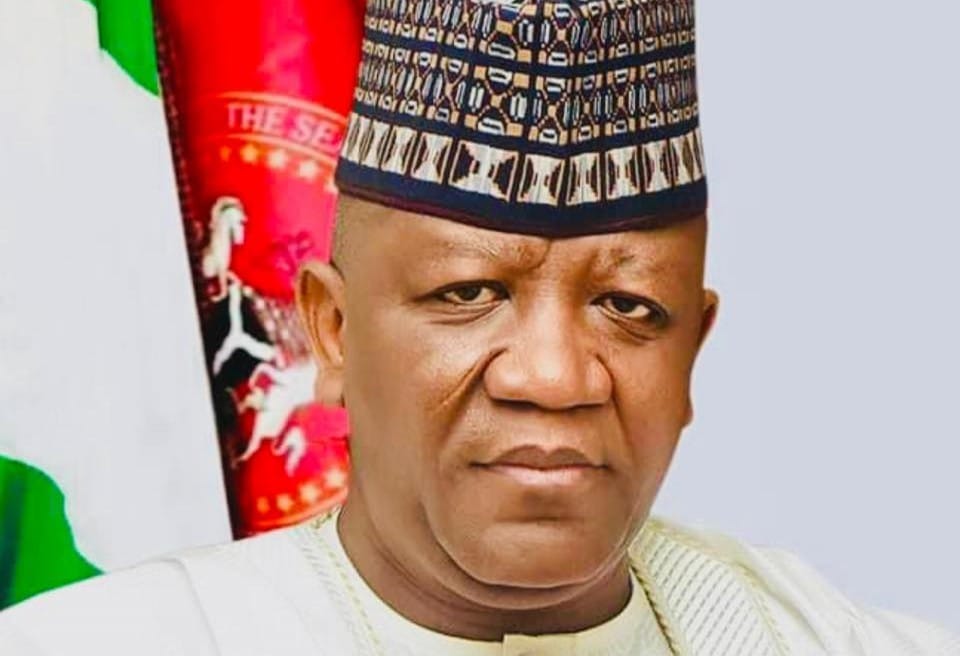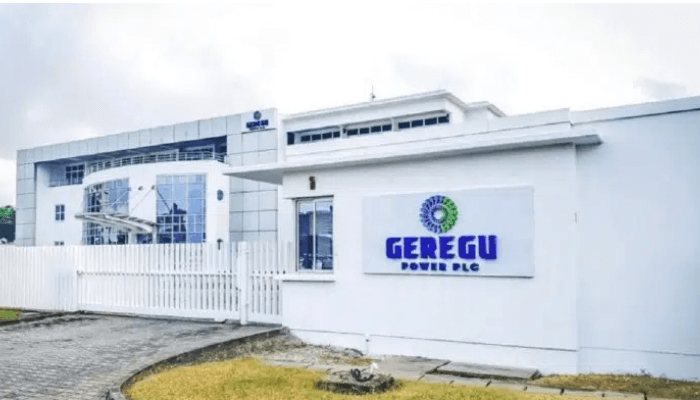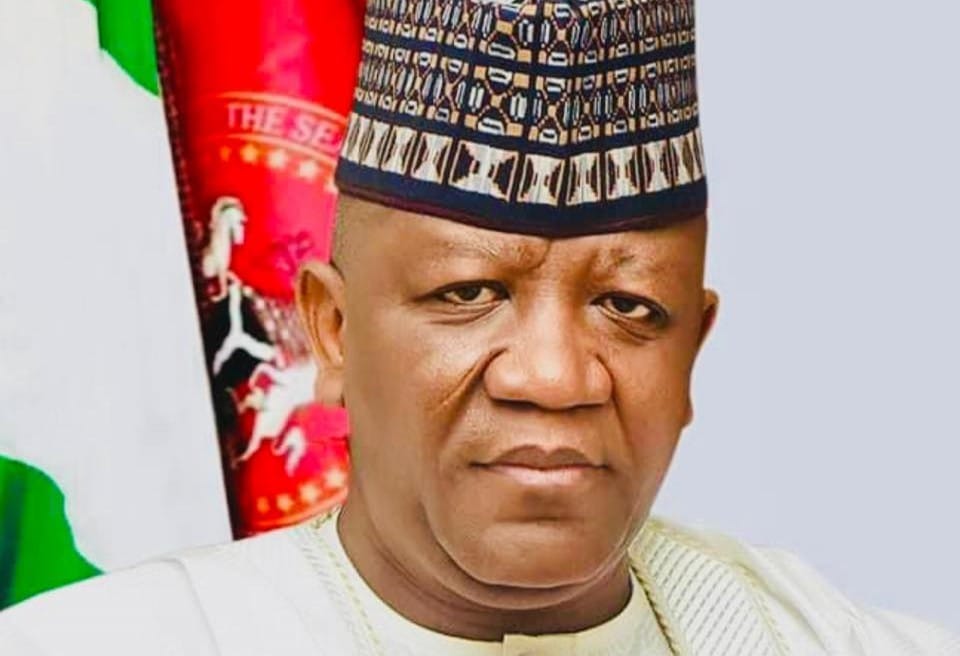
The settlement, orchestrated by the new controlling shareholder, Abdulaziz Yari, paradoxically worsens the company’s credit status by highlighting a profound liquidity crisis that is at odds with its investment-grade rating.
The development is not a proof of legal insolvency, as the bar for that under Section 572 of CAMA is high, but it is a stark indication of technical insolvency, which is an inability to service debts as they fall due from operational cash flows.
A balance sheet of intrigues
The company’s financials reveal a classic zombie-like balance sheet: over N69 billion in trade receivables are aged beyond six months, trapped in the Nigerian electricity market’s settlement quagmire.
While total assets grew to N305 billion, the company is burdened by N66.1 billion in current and non-current interest-bearing debt and a staggering N96.4 billion in trade payables. The settlement, funded against the backdrop of a balance sheet that was already drained by an ill-advised N22.5 billion dividend payout, only accelerates the cash drain.