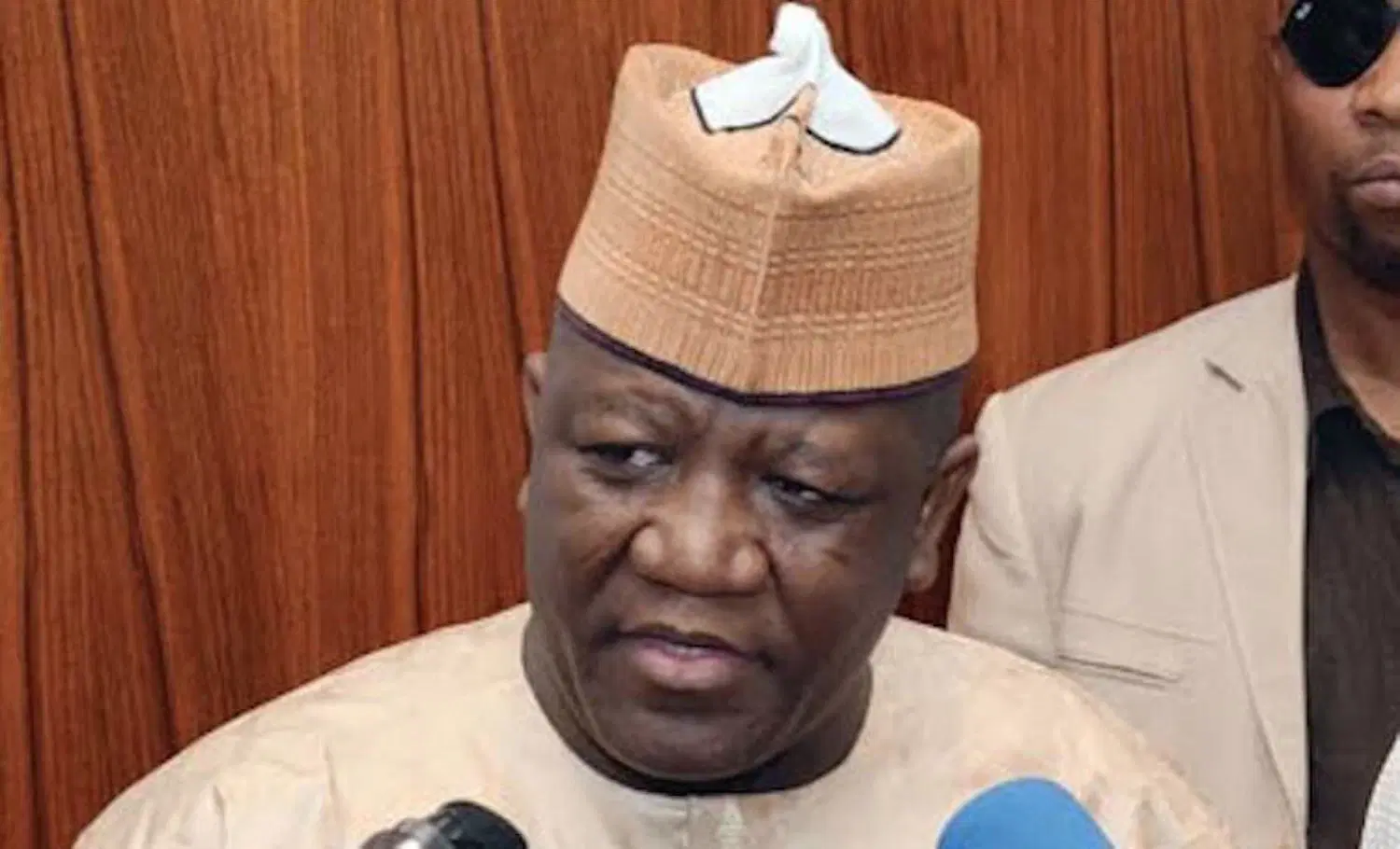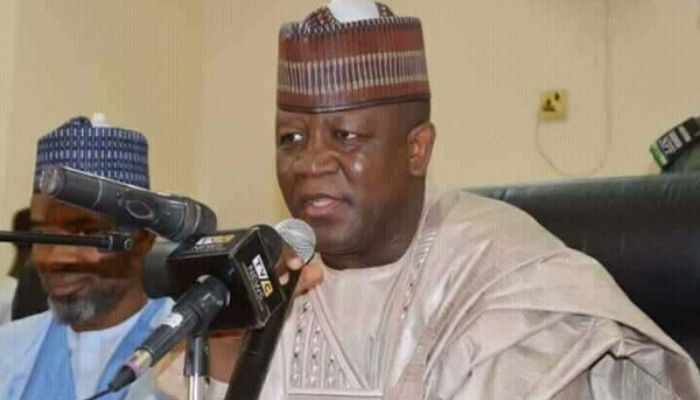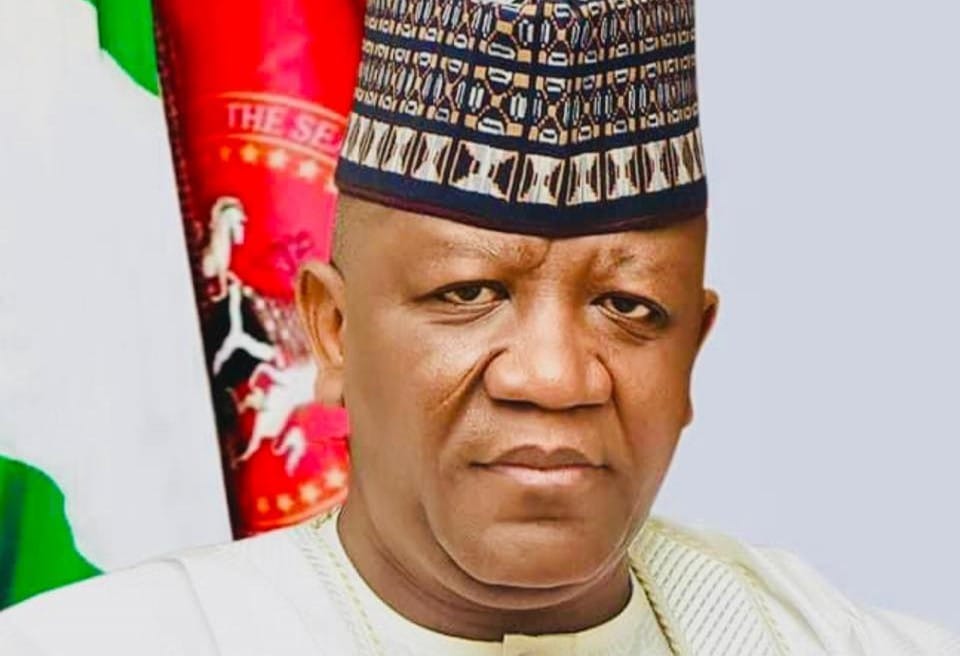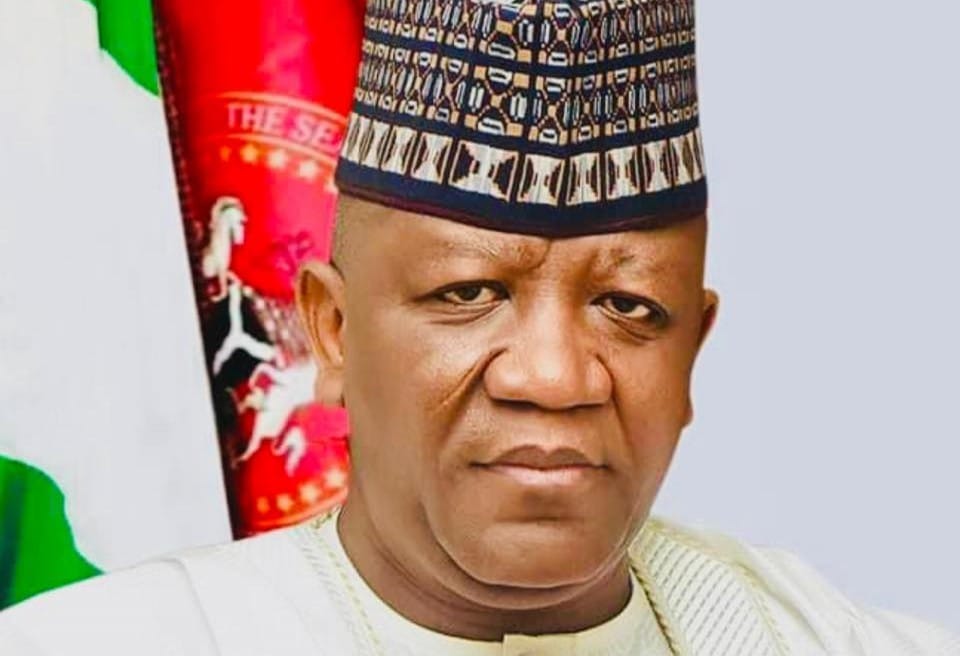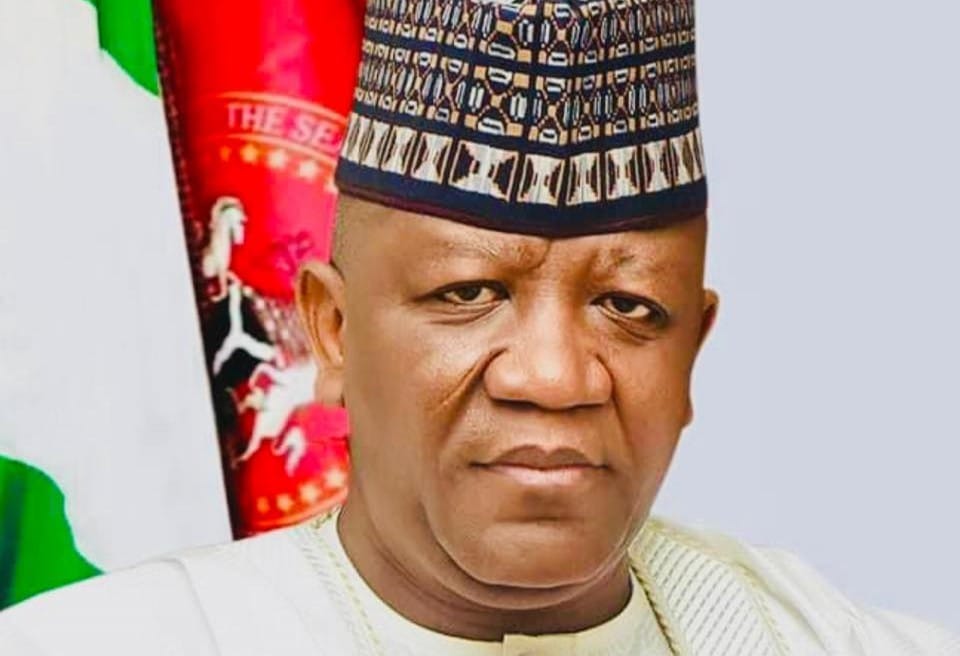
...there are issues of fiscal governance. So, a senator and recent governor is paying off a reported ₦6 billion in debt to a company in which he is invested. How will that be taxed – as philanthropy, investment, or a write-off? In the case of Abdulaziz Yari, all this qualifies him to lead the campaign to re-elect the president. Fundraising for this will be headed by the man who heads Nigeria’s revenue service.
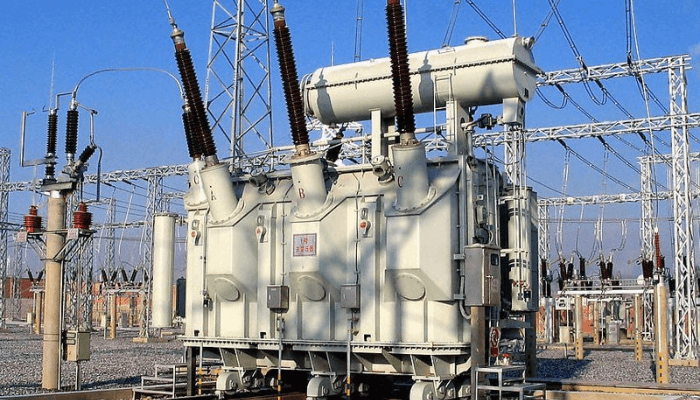
In 2005, Nigeria enacted the Electric Power Sector Reform Act to “establish the legal framework for the formation of initial and successor companies, transfers assets and liabilities from the National Electric Power Authority (NEPA) to new entities, and creates a competitive electricity market.” The previous year, Abdulaziz Yari had graduated with a diploma in secretarial studies from the Sokoto State Polytechnic. He was the state Chairman of the All-Nigeria Peoples’ Party (ANPP) in Zamfara State in north-west Nigeria.
Over the 21 years since then, the paths of power sector reform in Nigeria and Abdulaziz Yari’s career in power have negotiated different trajectories to a place of unadulterated intercourse.
Power sector reform in Nigeria involved more than the un-bundling of NEPA or what became known as Power Holding Company of Nigeria (PHCN). It also entailed ensuring the existence of a system to regulate both investment in the new entities and competition between them.