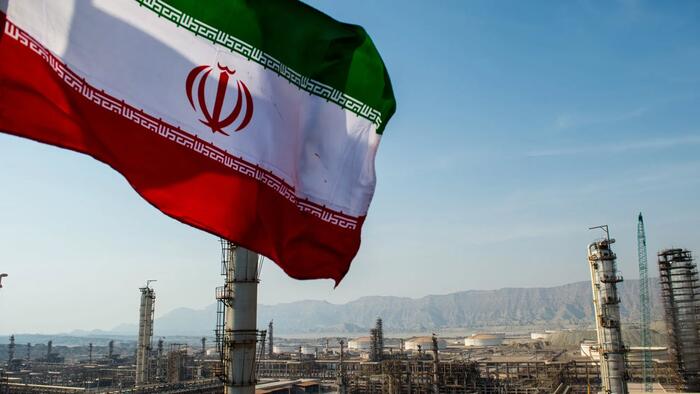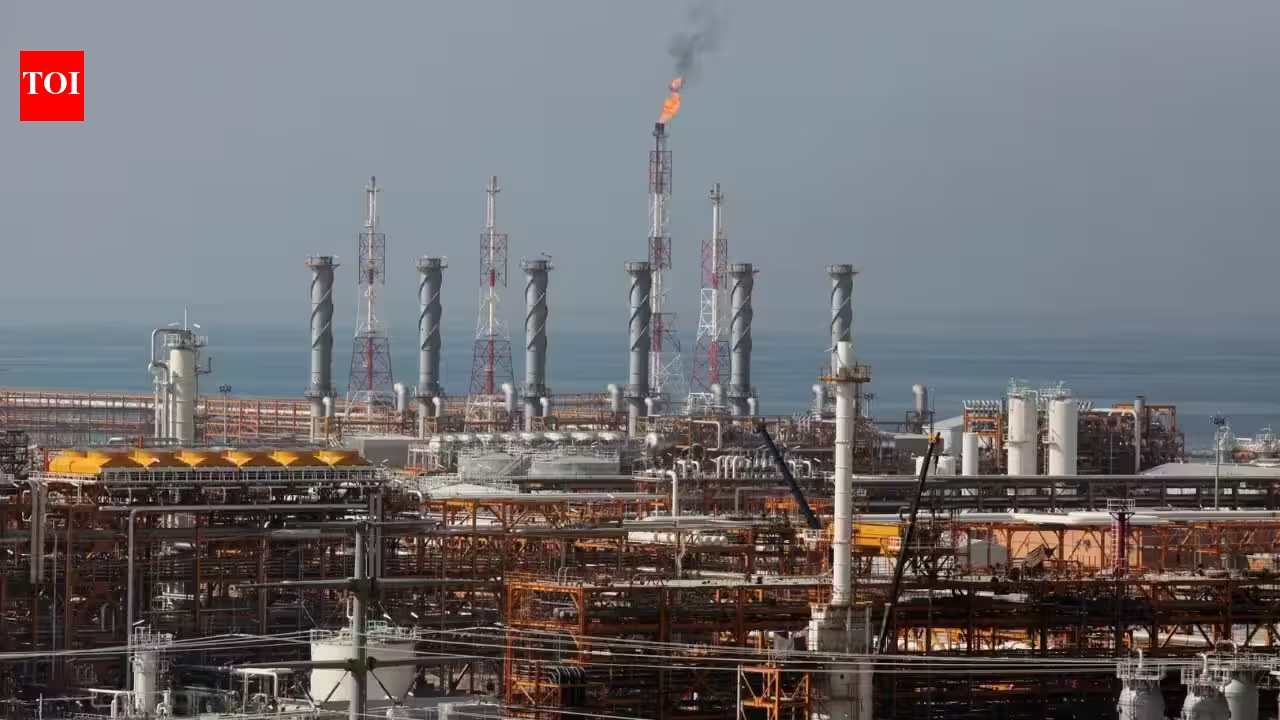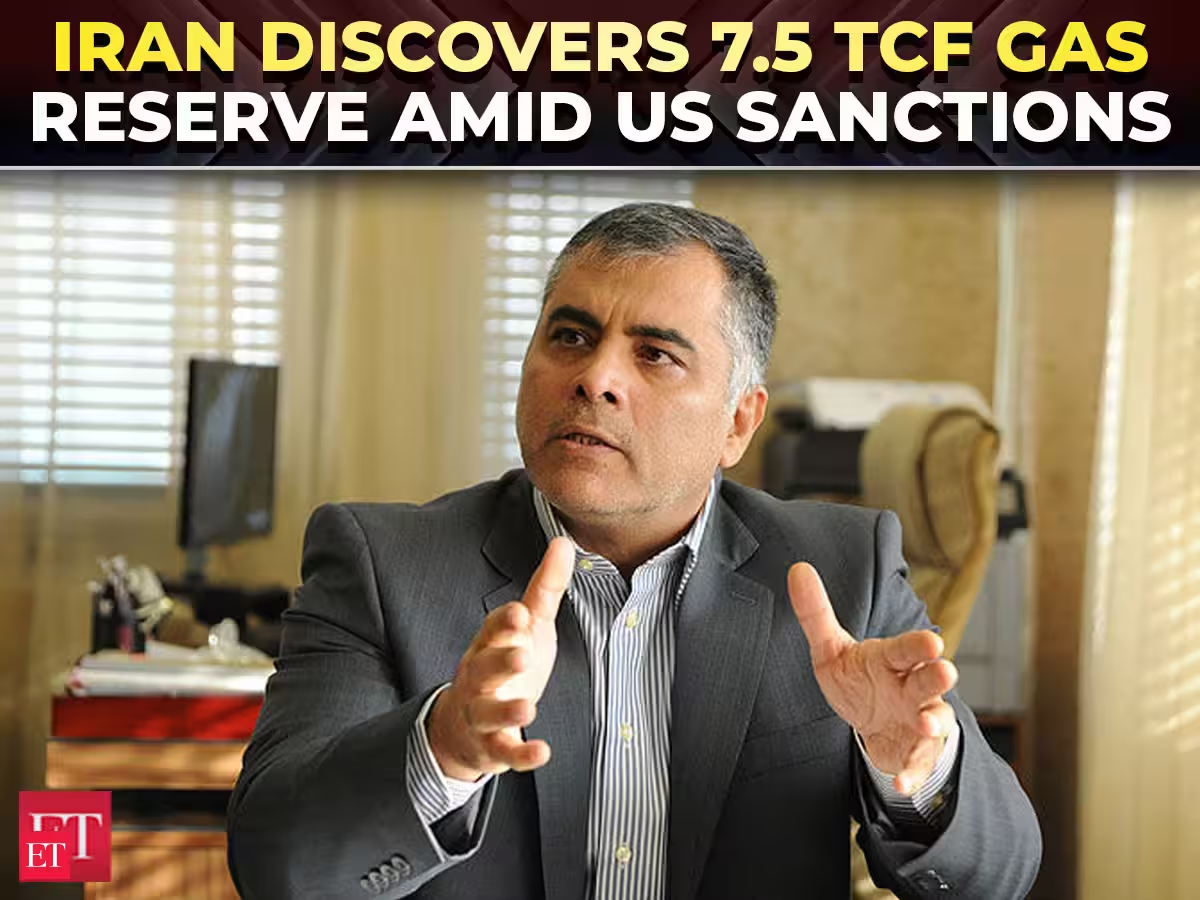
SynopsisIran has discovered a major gas field in southern Fars province containing 7.5 trillion cubic feet of gas, with 5.7 trillion cubic feet recoverable. The find includes gas condensate that Oil Minister Mohsen Paknejad said could create tens of billions of dollars in new wealth, as US pressure on Iran’s energy sector intensifies.iStockIran has discovered a major gas field in southern Fars province with 5.7 trillion cubic feet of recoverable gas and condensates that could generate tens of billions of dollars in new wealth, as US pressure on Tehran’s energy sector intensifies. (File photo)Iran has found more than 7.5 trillion cubic feet of natural gas in a new field in southern Fars province, uncovering a potentially valuable energy resource just as the country faces mounting US pressure over its oil exports and the strategically vital Strait of Hormuz.Oil Minister Mohsen Paknejad said on Sunday that about 5.7 trillion cubic feet of the gas could be recovered, based on an estimated recovery rate of 73%. The recoverable volume, he said, is comparable to one block of Iran’s giant South Pars gas field and could supply gas for 15 years, according to Iranian state media.Also read: Iran says support for new sanctions would be 'act of war'The discovery comes at an unusually consequential moment for Iran’s energy sector. Its oil and gas infrastructure has been damaged during the conflict with Israel and the United States, while Washington is preparing a fresh round of economic measures aimed at tightening pressure on Tehran and its trading partners.The new field could therefore give Iran another significant resource at a time when energy has become one of the main pressure points in its confrontation with Washington.A field with cheaper gas and potentially bigger valuePaknejad said the newly discovered gas is “sweet”, a characteristic that would reduce development and operating costs.The field also contains gas condensate, adding another potentially valuable hydrocarbon stream. Paknejad said the condensate and gas together had created tens of billions of dollars in new wealth for Iran.The scale of the find is notable against Iran’s existing gas production. Reuters reported that Iran had estimated its pre-war gas production at around 650 million cubic metres per day, or roughly 8.4 trillion cubic feet annually. Tehran has also been working to restore gas production capacity lost after strikes damaged energy infrastructure during the war.The discovery is not, however, an immediate replacement for lost production. Turning underground reserves into usable supply requires development, infrastructure and investment — all of which are more difficult for Iran under sanctions and amid continuing regional tensions.That challenge is underscored by developments at South Pars, Iran’s main gas-producing complex.The Phase 14 refinery has recovered around 70% of its production capacity after sustaining damage during the conflict, with the remaining damaged production trains expected to return by the end of the Iranian calendar year, according to Pars Oil and Gas Company chief Touraj Dehghani.Also read: Iran says new sanctions threatened by 'desperate' US will failHormuz turns every energy asset into a strategic cardThe timing of the discovery is particularly striking because Iran’s confrontation with Washington is increasingly centred on energy.US President Donald Trump has announced what he calls an “Economic D-Day” against Tehran, with Treasury Secretary Scott Bessent preparing to unveil new sanctions targeting countries and entities doing business with Iran. Tehran, in response, has threatened to halt oil exports from the Gulf if the economic confrontation continues.That puts the Strait of Hormuz at the heart of the standoff. The narrow waterway is a crucial route for global oil and gas shipments, and uncertainty over navigation through it has already rattled energy markets. Reuters reported last week that tanker traffic through the strait had fallen sharply amid the confrontation.Against that backdrop, Iran's gas discovery lands as both an economic opportunity and a reminder of the country's vast energy reserves.For Tehran, the immediate challenge is turning that underground wealth into production and revenue while sanctions, damaged infrastructure and the continuing dispute over Hormuz constrain its ability to sell energy abroad.The gas may be newly found. The bigger question is whether Iran can get it to market.Read More News on
Iran digs up ‘tens of billions’ in gas wealth as US energy showdown heats up
Iran has discovered a major gas field in southern Fars province containing 7.5 trillion cubic feet of gas, with 5.7 trillion cubic feet recoverable. The find includes gas condensate that Oil Minister Mohsen Paknejad said could create tens of billions of dollars in new wealth, as US pressure on Irans energy sector intensifies.
686 words~3 min read