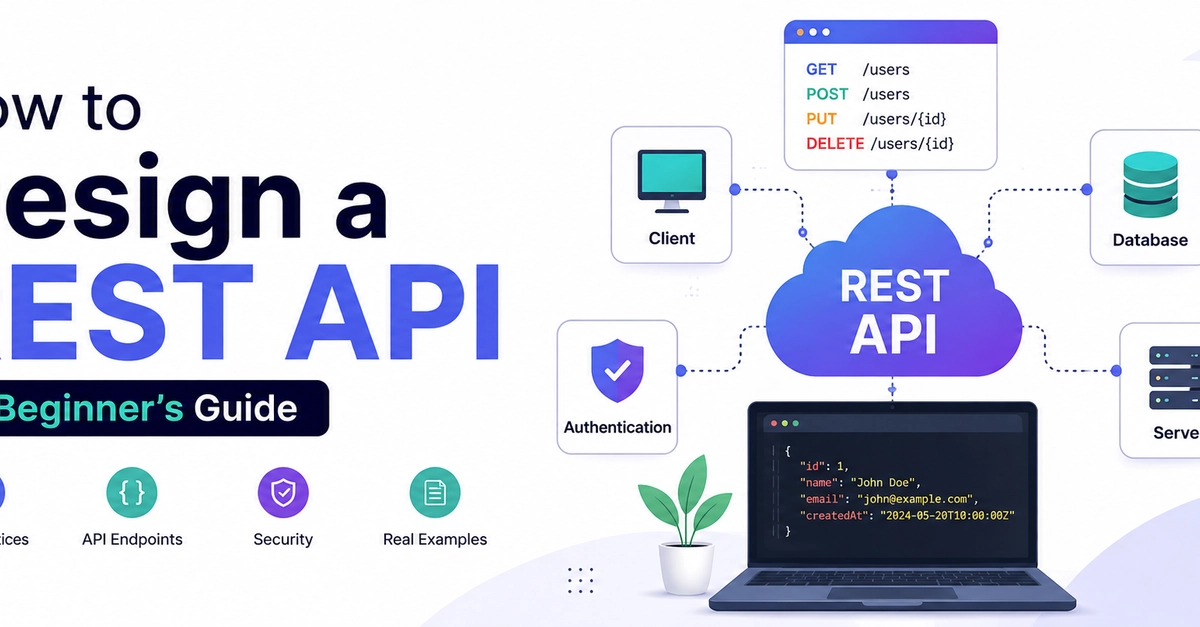
If you're learning backend development, learning how to design a REST API is non-negotiable. APIs power everything from social media platforms to payment systems to real-time chat applications. Understanding REST API design isn't just about technical knowledge—it's about building systems that other developers actually want to use.
The numbers tell a compelling story. According to Postman's 2024 State of the API Report, 74% of development teams now use an API-first approach to building software, up significantly from 66% just one year earlier. This shift demonstrates that APIs have moved from supporting infrastructure to core business strategy. Companies like Stripe, Shopify, and GitHub built their entire business models around well-designed REST APIs.
Beyond adoption statistics, the practical impact is undeniable. When developers master REST API design principles, they write code that scales, remains maintainable, and integrates seamlessly with other systems. These are the skills that make you valuable in professional development teams.
What is a REST API? Core Concepts Explained
REST stands for Representational State Transfer. Think of it as a standardized way for different applications to communicate over the internet using HTTP. When you use your phone to check weather data, send a message, or book a flight, you're interacting with a REST API in the background.