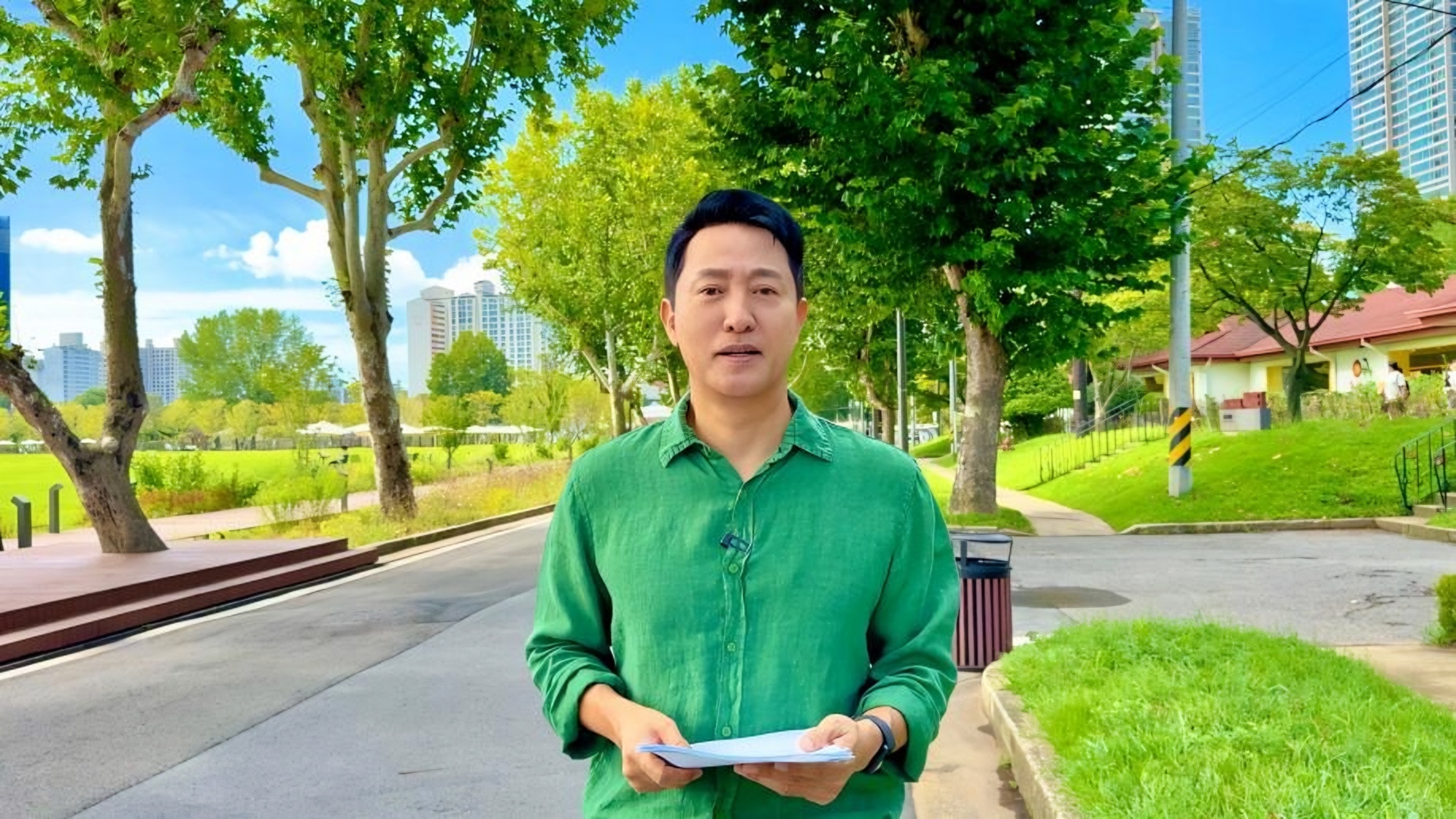
Kim Dong-gu, housing office director general of the Architecture Planning Bureau, speaks at Seoul City Hall on Monday. (Yonhap) The Seoul Metropolitan Government on Monday pushed back against a ruling party-government proposal to transfer authority over redevelopment projects involving 500 or fewer households to district governments, warning that the move could undermine citywide planning standards."It could lead to numerous side effects, including uncoordinated development and allegations of preferential treatment, if individual districts apply different standards based on local interests and project-specific demands," said Kim Dong-gu, director general of Seoul's Architecture Planning Bureau."Seoul constitutes a single living area and therefore requires consistent citywide management under an urban planning policy that considers infrastructure and various other factors."Kim stressed that although projects involving 500 or fewer households are relatively small, the proposed change could undermine the consistent application of planning standards across the city.The dispute arose after the ruling Democratic Party of Korea said Sunday that the party and government had agreed to pursue legislation transferring authority over smaller redevelopment projects to Seoul's district leaders in an effort to shorten the approval process.The city disputed that rationale, saying only 31, or 16 percent, of the 193 projects involving 500 or fewer households are currently at the district designation stage overseen by the city."We do not understand why the law needs to be revised when the projects are already proceeding smoothly," Kim said.District governments already exercise seven of the nine approval powers required for redevelopment projects, including approvals for establishing associations, implementing projects and disposal plans. Seoul handles only two reviews, according to the city government.The city said those two reviews take about four months combined, accounting for just 2.7 percent of a redevelopment process that typically takes around 12 years.Seoul also warned that setting a 500-household threshold could encourage larger redevelopment sites to be split into smaller projects to qualify for district-level authority, potentially creating further disputes over consistency and fairness.Kim also argued that delays can occur at the district level, citing cases in which approval for the designation of project operators had been held up for about two months despite legal requirements having been met.Asked how the city would respond, Kim said Seoul would continue urging the ruling party and central government to reconsider the plan, acknowledging that the city has no direct means of blocking the amendment if it is pursued in the National Assembly.The dispute is the latest in a series of clashes between the Seoul and central governments over housing policy. Earlier this month, they were at odds over a proposal to build housing on part of the Yongsan Park site.The central government raised the possibility of using the site for housing, while the Seoul city government opposed the plan, arguing that the land should be preserved as a park for future generations.
Seoul fires back at district-led redevelopment, cites haphazard growth risk
The Seoul Metropolitan Government on Monday pushed back against a ruling party-government proposal to transfer authority over redevelopment projects involving 5
465 words~2 min read