Hwang Joo-young
Staff reporter at The Korea Herald’s National Desk, based in Seoul. Covers South Korea’s national security and foreign policy, with a focus on the Defense, Foreign and Unification Ministries, as well as the National Assembly.Before entering journalism, served as an Air Force officer. Experience includes providing translation and interpretation, as well as strategic input for planning efforts, at the ROK-US Combined Forces Command. During three years of military service, took part in six major South Korea-US combined exercises.
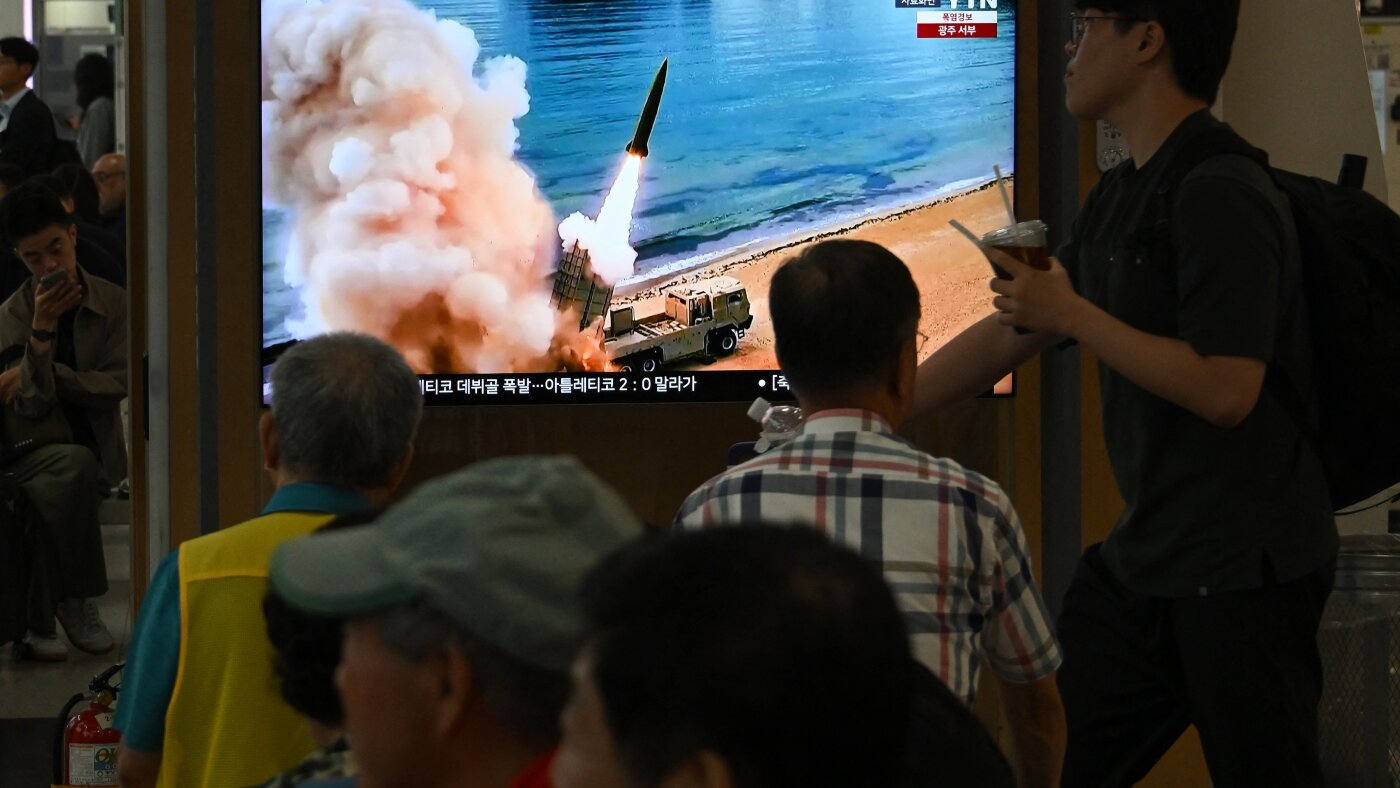
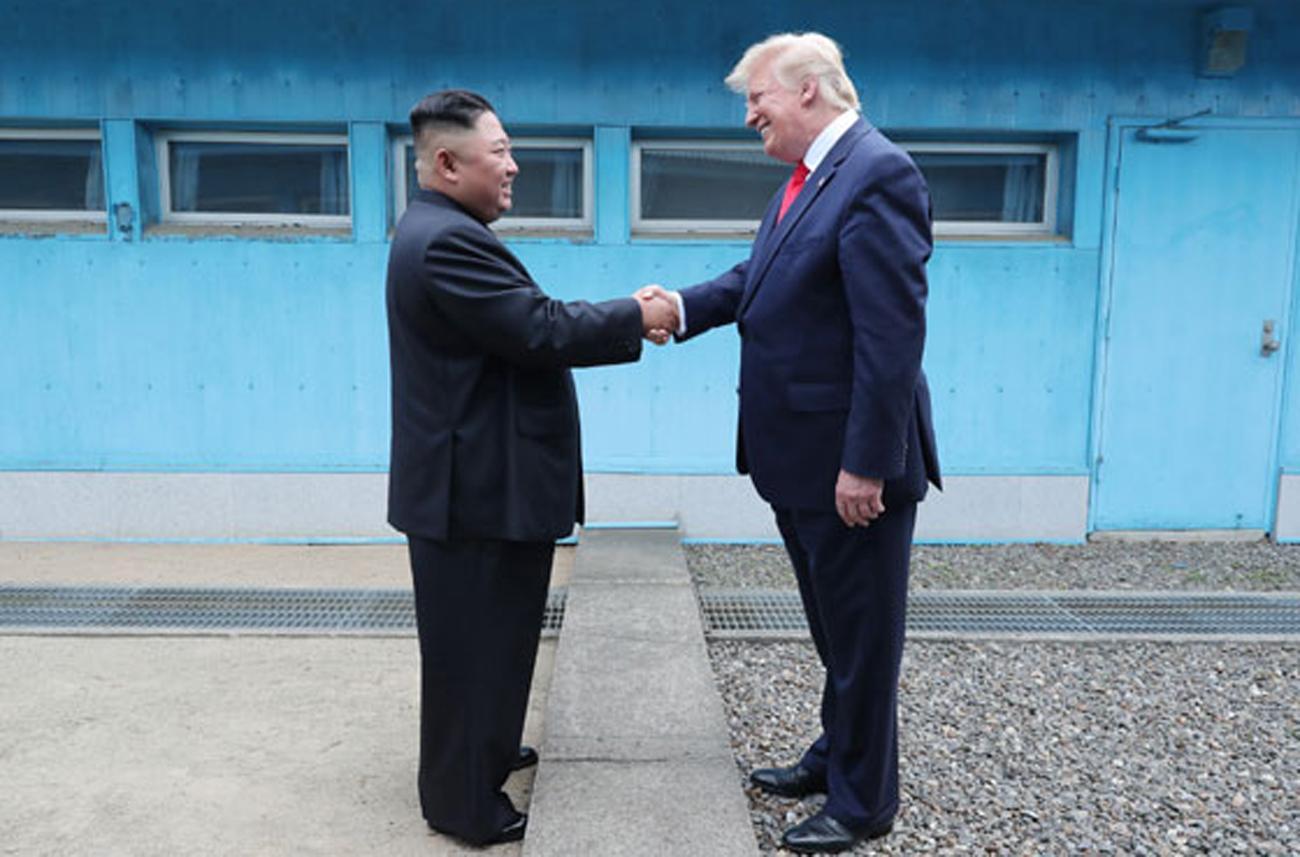
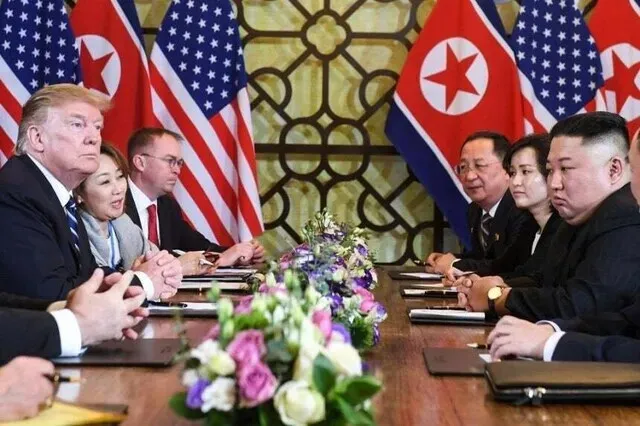
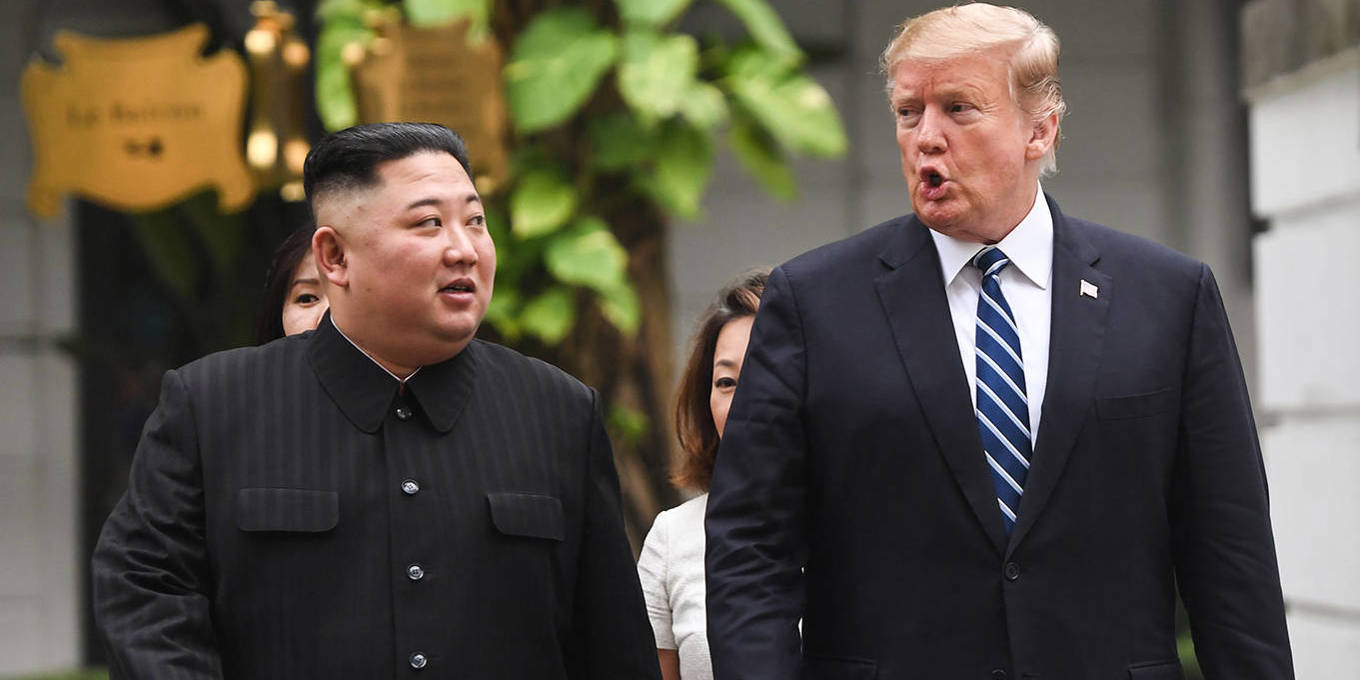
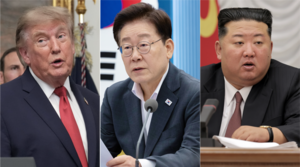
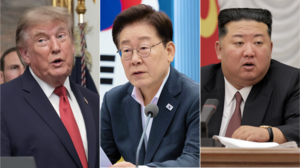
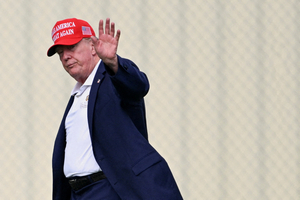
US President Donald Trump waves as he walks from Marine One to a vehicle at the Ellipse near the White House, in Washington on Aug. 16. (Reuters via Yonhap) Renewed engagement between US and North Korean leaders could push Washington toward a more pragmatic approach to North Korea's nuclear arsenal, potentially exposing Seoul to a lasting nuclear threat, experts say.Kim Young-ho, a professor of security policy at Korea National Defense University, said US President Donald Trump's renewed interest in meeting North Korean leader Kim Jong-un should not be seen as a sudden shift."North Korea was probably on his agenda from the beginning," professor Kim said."It may not have been among his highest priorities, but it was an issue he had tried and failed to resolve before."Kim said the issue was pushed down Trump's agenda by more pressing matters, including war in Ukraine, tariffs and the conflict with Iran.Trump has repeatedly stressed his good relationship with Kim Jong-un and expressed his willingness to meet him again. Washington has also taken steps seen as conciliatory toward Pyongyang.Earlier this month, South Korea and the United States abruptly shortened their annual Ulchi Freedom Shield exercise after Trump ordered the Pentagon to substantially reduce the drills. The adjustment, made after the exercise had already begun, caused unease in Seoul over the sudden change.Pyongyang, meanwhile, has shown little urgency to reciprocate.North Korea has largely shut out Seoul while leaving open the possibility of dealing directly with Washington, and has continued missile launches despite Trump's overtures. It fired more than 10 short-range ballistic missiles toward the East Sea last week.The US military's response has also been restrained. US Pacific Command has repeatedly said this year that North Korean launches did not pose an "immediate threat" to US personnel, territory or allies, omitting the explicit condemnations used in similar statements last year.According to Kim of Korea National Defense University, the challenge for Trump is that Pyongyang now has substantially greater leverage.North Korea's military cooperation with Russia has deepened sharply since Moscow's invasion of Ukraine, including the deployment of North Korean troops and weapons support. Pyongyang has also strengthened ties with Beijing, gaining greater diplomatic and economic room to withstand US pressure."Kim Jong-un has very little to be desperate about right now," the professor said. "If he comes to the table and does not like what the United States offers, he can simply walk away." US President Donald Trump (left) meets with North Korean leader Kim Jong-un at the demilitarized zone separating the two Koreas, in Panmunjom, South Korea, June 30, 2019. (Reuters via Yonhap) That contrasts with Trump's first term, when he met the North Korean leader three times, including at summits in Singapore and Vietnam's capital Hanoi, as well as at the inter-Korean border. The diplomacy produced unprecedented leader-level engagement but ultimately failed to deliver a lasting agreement on denuclearization or sanctions relief.Kim said Washington's thinking on North Korea's nuclear program has also evolved since then.The shift did not begin with Trump's second term, he said, noting that doubts over the feasibility of complete denuclearization had already grown during the Biden administration and among US nonproliferation experts.Rather than allowing North Korea to continuously expand its arsenal while insisting exclusively on complete denuclearization, some have increasingly favored freezing further production first and eventually pursuing reductions, he said.Such negotiations could take on the characteristics of arms control even if Washington continues to formally reject North Korea's status as a nuclear-weapon state.Kim said Trump's recent statement that North Korea possesses "57 very powerful nuclear weapons" prompted him to revisit the Nuclear Non-Proliferation Treaty and consider what de facto US acceptance of an existing North Korean arsenal could mean for countries directly threatened by it.South Korea, he said, could face the greatest dilemma."If the United States effectively accepts North Korea's nuclear reality, then from our perspective the question becomes whether we can continue to rely only on the United States," professor Kim said.He stressed that Seoul could not simply move toward nuclear armament given the political, diplomatic and legal hurdles involved, but said developments could force South Korea to at least reconsider its long-term options.Shin Beom-chul, director of the Center for Security Strategy at the Sejong Institute and a former South Korean vice defense minister, also expects any renewed talks to begin with more limited goals than complete denuclearization.Shin said a future Trump-Kim negotiation could initially seek to halt additional production of nuclear weapons and nuclear material and prevent further advances in North Korea's nuclear capabilities, before moving toward reductions and eventual denuclearization. From left: US President Donald Trump, South Korean President Lee Jae Myung and North Korean leader Kim Jong-un (AP, Yonhap, KCNA via Yonhap) Such a phased approach would reflect the reality that North Korea's arsenal has grown substantially since the breakdown of the Hanoi summit in 2019.Pyongyang would likely demand significant concessions in return, including sanctions relief and reductions or suspension of South Korea-US military exercises, Shin said.The timing of a summit also remains uncertain. Kim Young-ho said exchanges of letters, special envoys or working-level contacts could emerge before the US midterm elections to be held Nov. 3, allowing Trump to present renewed diplomacy as progress, while an actual leaders' meeting would more likely materialize later.For Shin, the key would be ensuring that a leaders' meeting is preceded by substantive negotiations rather than another summit built largely around personal diplomacy."North Korea has not ruled out the possibility of dialogue, but it has drawn a clear line against putting denuclearization on the agenda," Shin said. "That means the first task would be to find a realistic starting point that can stop its nuclear capabilities from expanding further."