Read The Diplomat, Know The Asia-Pacific
The city-state’s civil society has grown considerably over the past decade. It also reflects an increasingly broad spectrum of opinion about issues foreign and domestic.
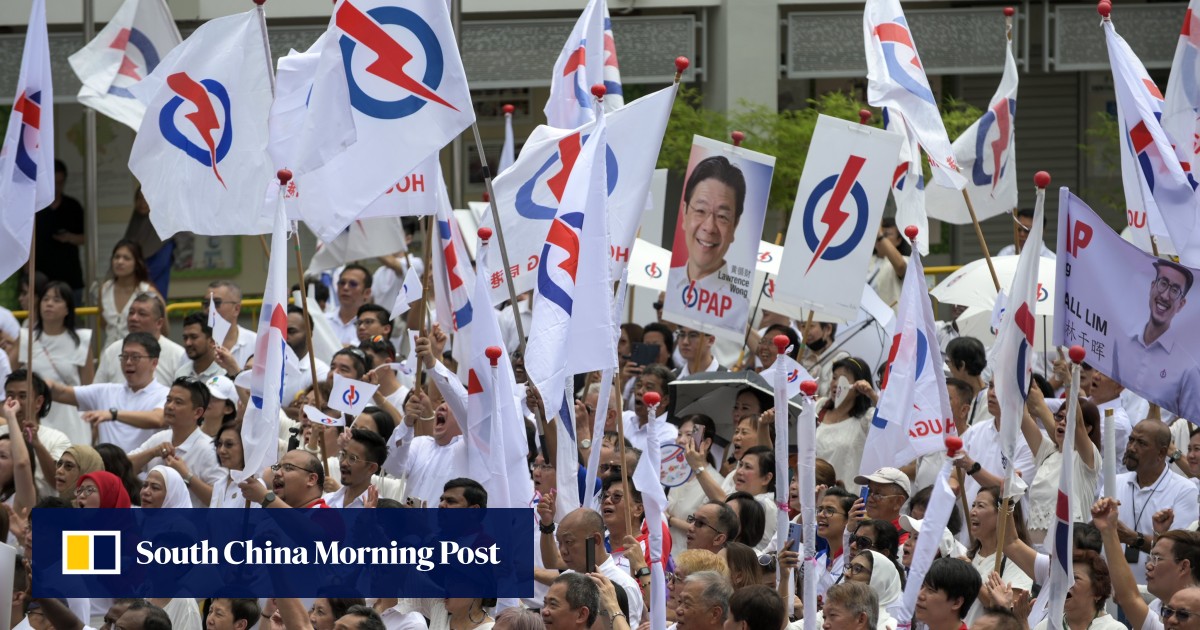
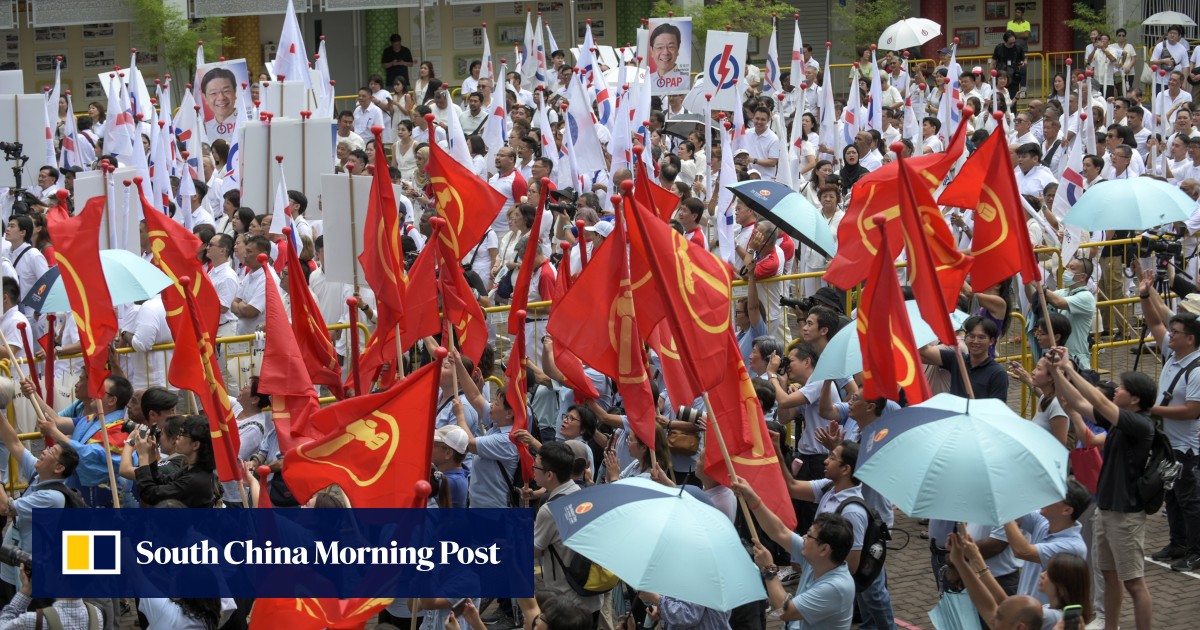
Since the watershed election of 2011, one major trend in Singapore politics has been the growth of alternative political forces to the long-dominant People’s Action Party (PAP). General elections now resemble those in democracies, with all seats contested, rallies well attended, and election coverage widely followed across a range of media platforms. While the PAP remains dominant, since the 2020 election it has become expected that the opposition will match or beat its previous seat performance, currently at 10 elected parliamentary seats.
Civil society has also grown in size and significance since 2011, and “activist” is now less of a dirty word. A plethora of advocacy groups, many led by a new generation of activists, now actively champion and gain support for numerous causes such as political literacy, climate justice, death penalty abolition, media freedom, LGBTQ+ rights, workers’ rights, women’s rights, and justice for Palestine. As a prominent recent example, the work of environmental activists has helped increase public opposition to the government’s proposed developments at Maju Forest and Gillman Barracks in the name of environmental protection. These developments have all occurred despite a more challenging legislative environment over the last several years.