August 24, 2026
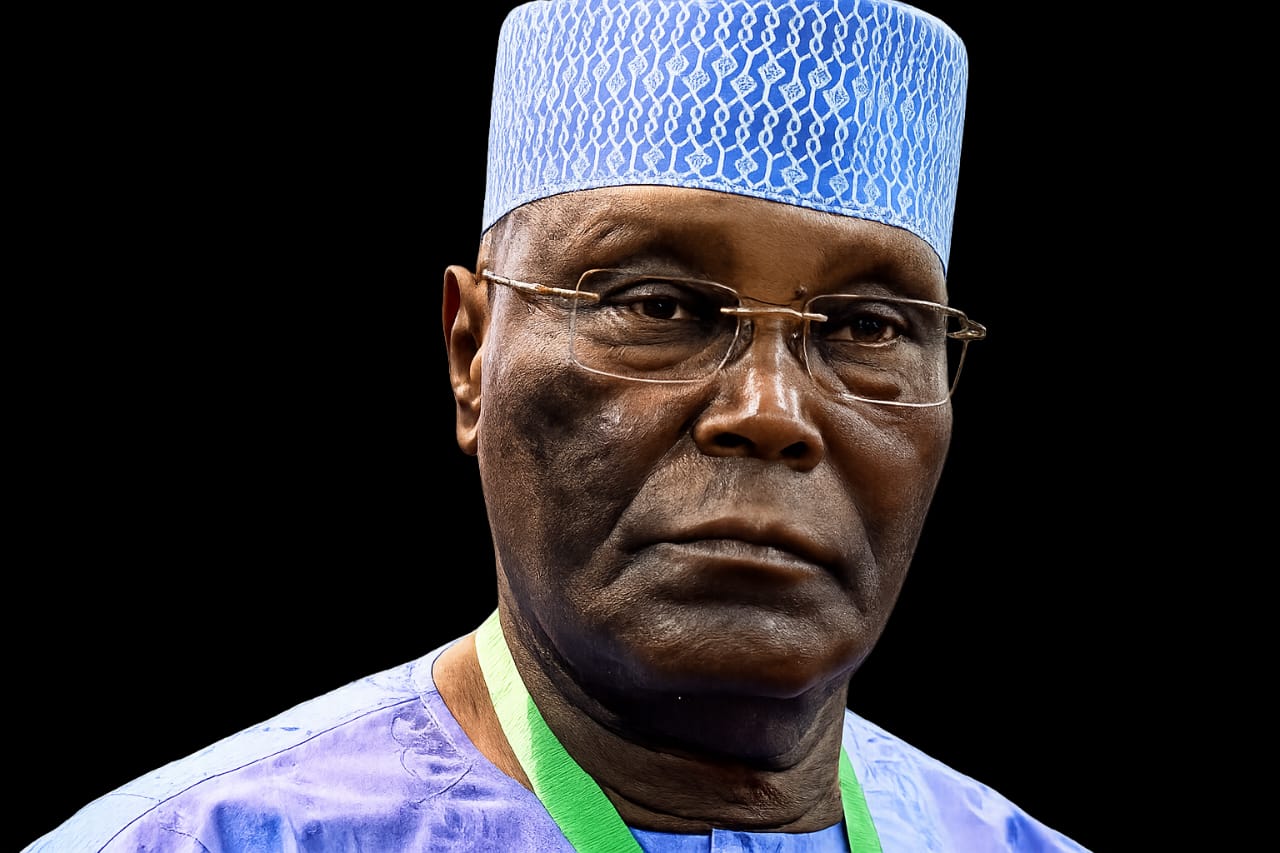
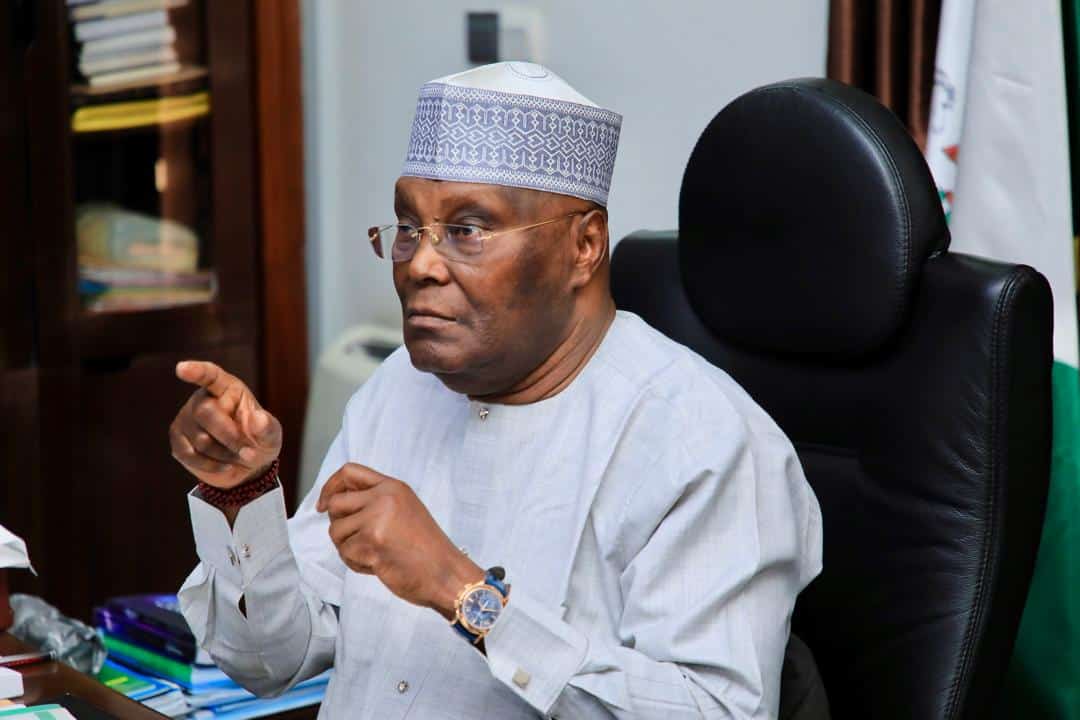
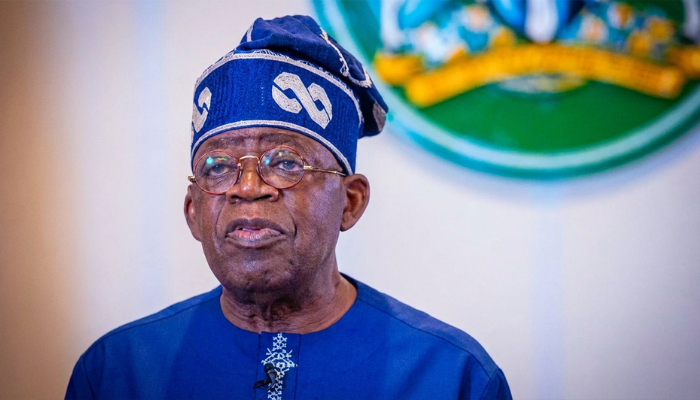
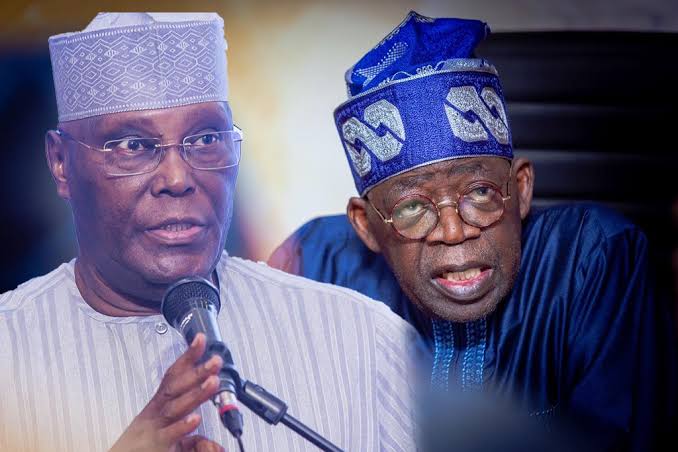
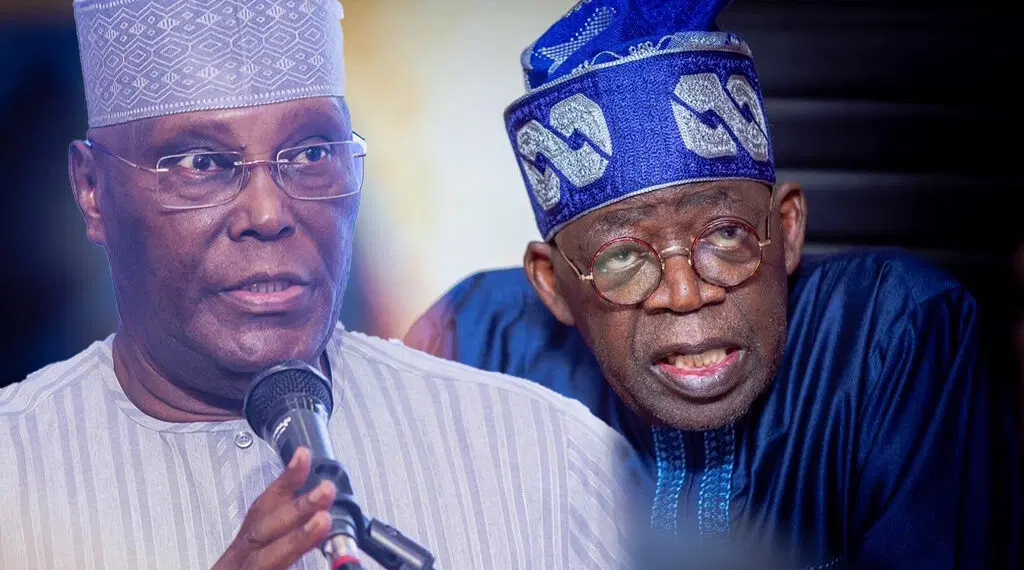
My last Monday column, which called for a policy-focused election campaign rather than a pointless debate over President Bola Ahmed Tinubu’s school certificates, could not have been more prescient. Since former Vice-President and presidential candidate of the opposition ADC, Alhaji Atiku Abubakar, unveiled details of his alternative fuel subsidy reform policy last Wednesday, the narrative landscape of the election campaign looks to have changed. Within 24 hours, presidential advisers, official and unofficial spokespersons, and even President Tinubu himself had responded to Atiku’s proposals through various channels. The media and Nigerians have also followed suit. This is as it should be and is good for Nigerian democracy.
Now that we have two competing policies on fuel subsidy, a major issue that affects Nigerians, how are they different? This is a difficult question because a policy that is already three years in operation will compare generally unfavourably with an alternative that is still on paper. After all, all policies look better on paper. Still, we must try.
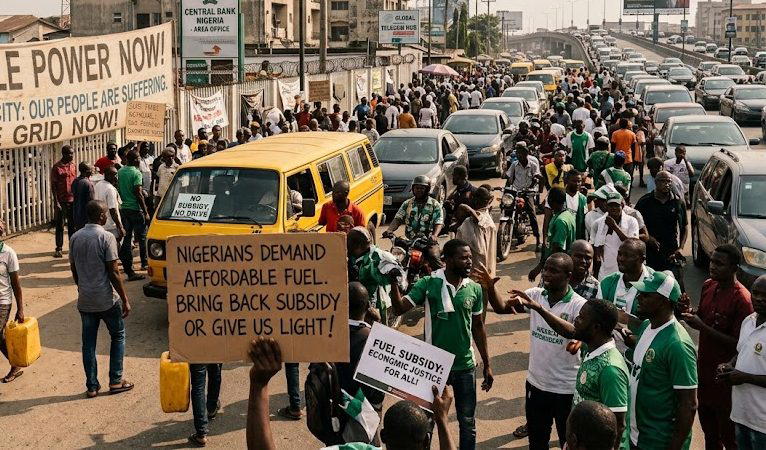
Having engaged repeatedly with President Tinubu’s main economic policies in these pages, I can identify three major issues with his subsidy policy. The first is the approach. Yes, the old subsidy regime had become fiscally unsustainable. But the real problem was not subsidy itself, but the systemic corruption, inefficiency, and lack of transparency in its administration. For example, fuel subsidy payments ballooned from a total of N578.07 billion in 2019 (6.5% of the budget) to N4.39 trillion, or about 25% of the budget, in 2022. That is a staggering increase of 659%. The outbreak of COVID in 2020 and the Russia–Ukraine war in 2022 both disrupted global oil prices, but a 7-fold increase in the subsidy bill in just four years points more directly to the entrenched corruption in the subsidy programme.