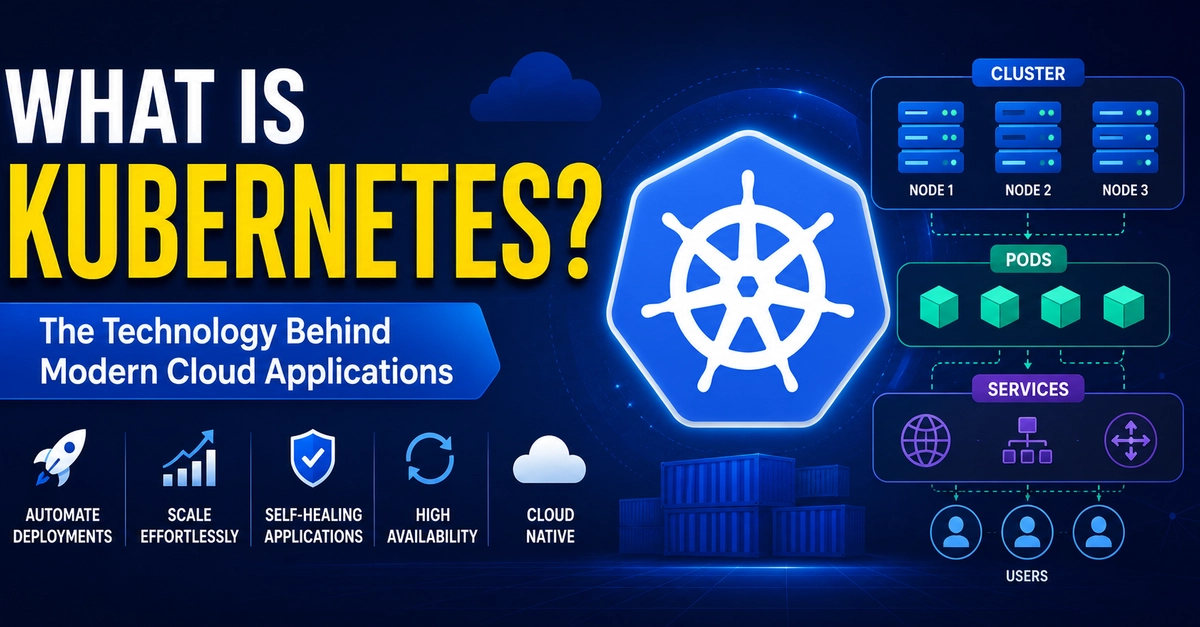
Kubernetes at the edge has been "the next big thing" for a few years now, and this month the honest assessment showed up in the reporting: edge Kubernetes has hit a wall, and fleet management is emerging as the way through. That matches what I have seen. The moment you go from one cluster in a datacenter to a hundred small clusters in stores, factories, or cell sites, the thing that breaks is not Kubernetes itself. It is the assumption that you manage clusters one at a time.
Here is why the edge breaks the normal model, and what "fleet management" actually means as a fix.
Why one-cluster habits fall apart at the edge
Everything you do comfortably with a single cluster assumes properties the edge does not have:
You assume the cluster is always reachable. At the edge it is not. A retail location loses its uplink, a factory network is flaky, a remote site is offline for hours. Your control plane cannot assume it can reach every cluster on demand.