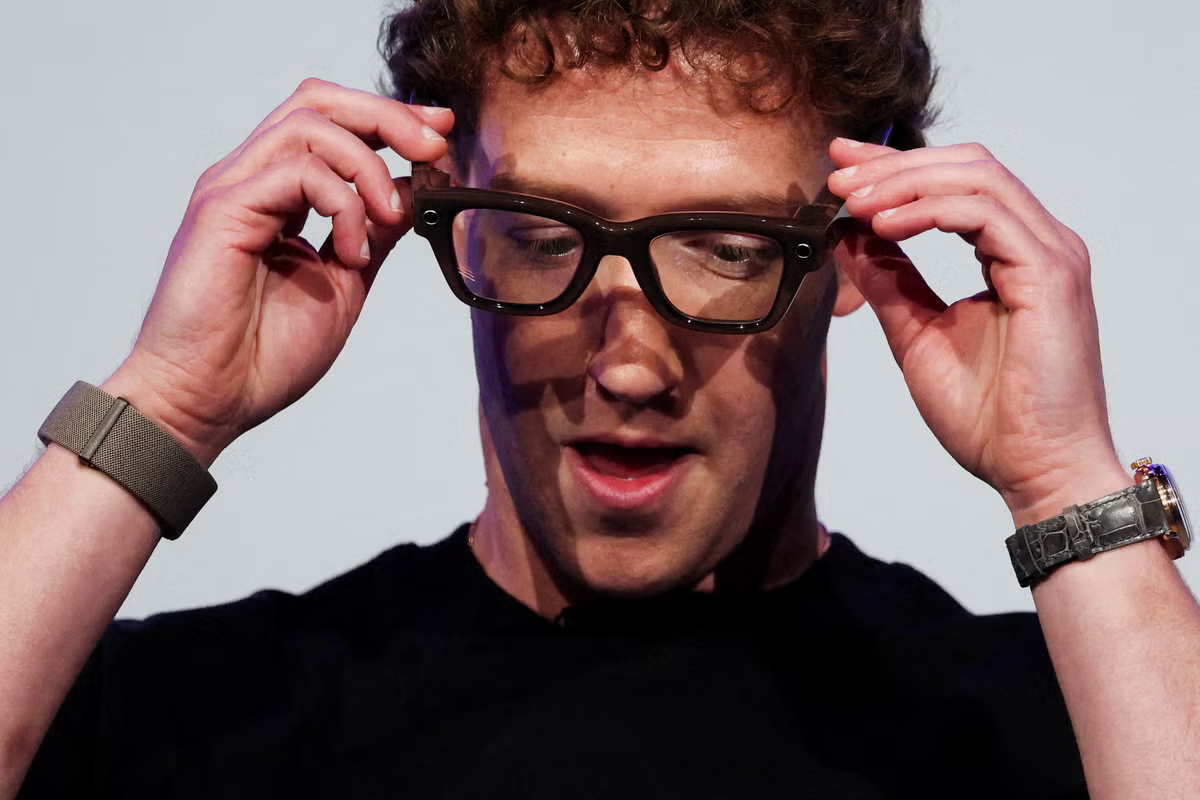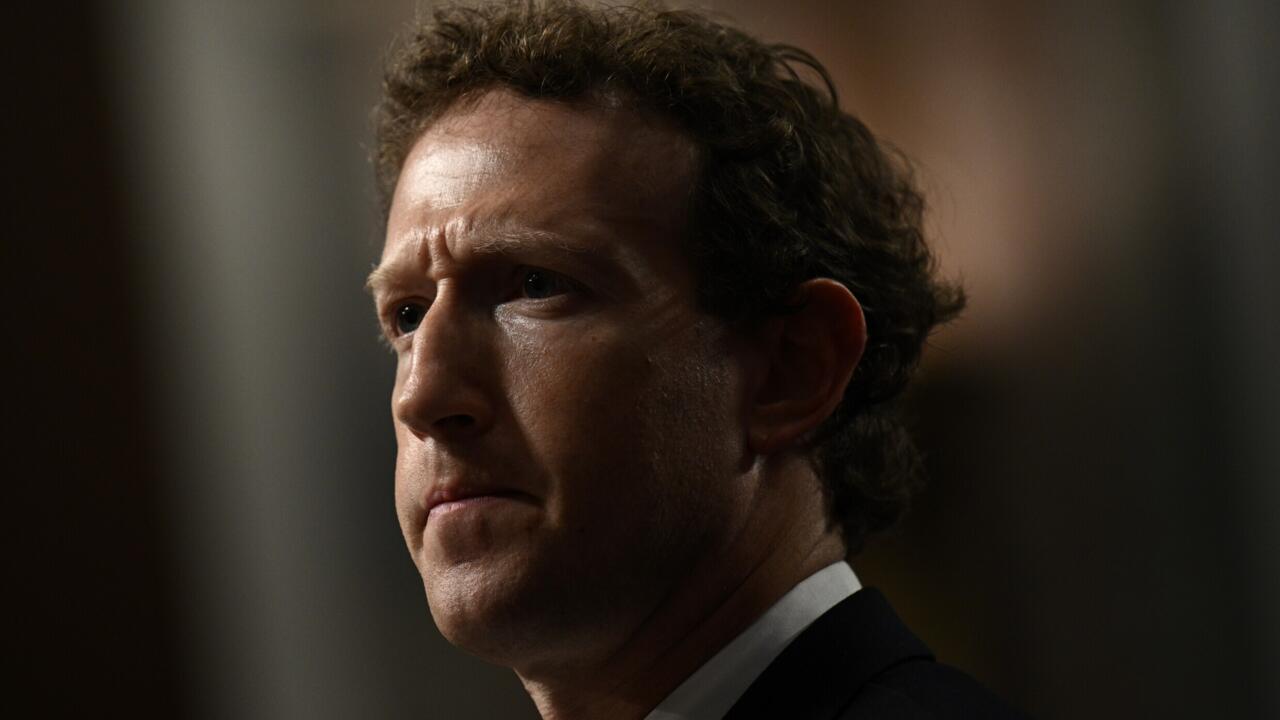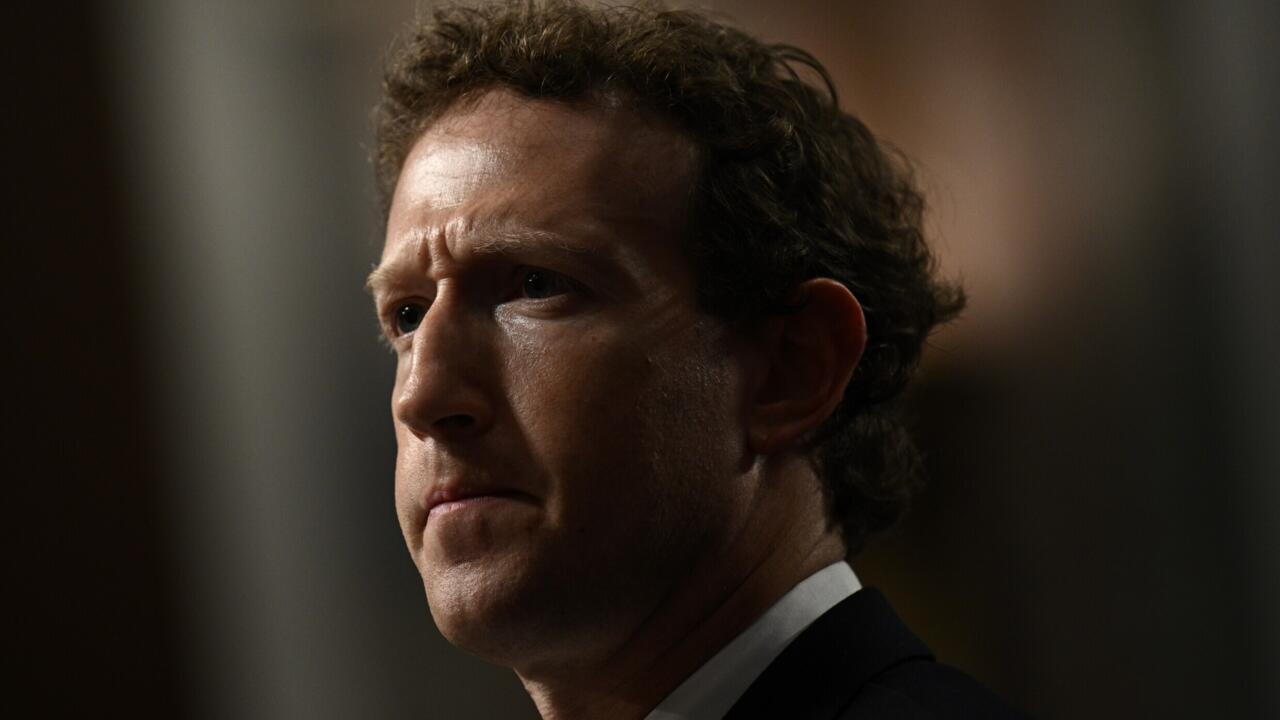
In the United States, it has been likened to the litigation that chased down the tobacco industry in the 1990s.A group of 29 US state attorneys general have taken Facebook owner Meta to federal court accusing it of designing technology specifically to make addicts out of children – and of misleading the public while doing it.Starting last Tuesday in a court in Oakland, California, the legal action comes with a potential $200 billion (€171.2 billion) bill.“We’ll show a jury that Meta concealed what it knew about the harm its products cause young people because looking away was more profitable,” said Kentucky attorney general (AG) Russell Coleman last week.“AGs are in the perfect position to get this done. We did it with the tobacco settlement in the 1990s. We did it with the companies behind the opioid crisis. We’ll do it again with Meta.”In addition to any financial penalty, it has significant implications for the company’s reputation – and that of the wider tech and social media industry. If Meta is found to have deliberately targeted children, it could be forced to dramatically change the way it delivers its products to the public.“It is the most significant threat to their model they have faced,” says Simon McGarr, a Dublin-based solicitor and data protection specialist.“It is a very unusual and very clever case. They (US state attorneys general) are not talking about content at all – they are saying the product is designed in such a way as to harm the users. “It’s like the Ford Pinto car (in the 1970s) blowing up and killing its owners. They are arguing that this is a harmful product that is not in the consumer’s interest. It is the same as a car with a faulty fuel-tank.”Given the stakes involved for Meta and the social media industry, an out-of-court settlement could be on the cards – but what has been revealed to date is already instructive to others considering similar actions. Vincent Joralemon is director of the Berkeley Law Life Sciences Law & Policy Centre in the US.He says the Irish and European authorities should be monitoring what is being alleged.“US discovery and trial testimony are making internal Meta evidence public that Irish and EU regulators may find directly relevant to their own investigations,” he says.He gives the example of a former Meta engineering director who testified that the company used sophisticated tools which could identify users under the age of 13. The approach to these accounts was described by the engineer as “don’t ask, don’t tell”.In another instance, a Meta researcher gave evidence of how the company audited “habit-forming features” such as auto-play and notifications.“Those issues closely overlap with current EU and Irish scrutiny,” says Joralemon.The engineer referenced by Joralemon, Arturo Béjar, also alleged that he emailed Meta boss Mark Zuckerberg in 2021. He says he warned Zuckerberg of constant reports of harmful content and damage to teenage wellbeing on Meta’s apps – but that the chief executive didn’t respond. Mark Zuckerberg, chief executive of Meta. Photograph: David Zalubowski/AP He spoke of a culture within the organisation that treated child safety as secondary to growth and engagement on Facebook and Instagram.“I felt that he (Zuckerberg) created a false and misleading impression of Facebook’s commitment to young people,” said Béjar. Much more evidence is set to be pored over. The lawsuit is based largely on Meta’s own internal documents and threatens to lay bare the very plumbing at the heart of the business.Concepts like infinite scroll, autoplay, notifications and popularity metrics – which the lawsuit argues are designed to make Meta’s apps addictive to children – will be examined and picked apart. A big redesign could conceivably result from litigation.In a trial that is expected to last six weeks, Zuckerberg is listed among the witnesses, as is Instagram chief executive Adam Mosseri.Meta denies all the allegations and has argued that it has put tools in place to help people who struggle with issues created by social media.Johnny Ryan is a senior fellow with the Irish Council for Civil Liberties (ICCL). Last year, it embarked on Ireland’s first class action lawsuit against Microsoft – saying the company’s ad system was exposing users to “malicious profiling and discrimination”.“It’s like Big Tobacco meets the banking inquiry,” he says of the evidence being aired in the US and the current regulatory shortcomings around social media.The ICCL has been frustrated, says Ryan, by what it describes as the “unlawful” transposition of European law in Ireland. This has the effect, he says, of preventing similar legal action being taken against big tech companies in Dublin.“With this latest litigation, again we are waiting for America to do the job – and it’s our law which is much stronger,” he says. “European law says that bodies like the ICCL should be able to bring cases to protect people against this kind of behaviour by dangerous companies behaving dangerously. The State’s transposition of that law does not allow us to do that.”In contrast to the inertia he claims exists in Ireland, Ryan points to separate US investigations into other social media firms. He refers to a two-year investigation into the Chinese-owned social media behemoth TikTok.“From that, we could see what TikTok’s own research was saying – and it says addiction is baked into the product. It prevents kids from doing homework, making eye contact, sleeping, going to school, it causes body dysmorphia.“The Data Protection Commission (DPC) has a budget of over €30 million and lots of staff – what is going on? It’s not like every parent isn’t worried about this.”The DPC has taken action against TikTok – most notably fining the company €530 million last year for transferring users’ personal data to China.TikTok, meanwhile, claims the internal correspondence released in the US was “cherry-picked” and involved the use of outdated documents to “misrepresent our commitment to community safety”. But Ryan contends the evidence that has emerged over recent years about the harm being caused to children makes investigations here all the more urgent.“The evidence is in front of us all,” he says.'We’ll show a jury that Meta concealed what it knew about the harm its products cause young people because looking away was more profitable,' said Kentucky attorney general Russell Coleman last week. Stock photograph: Leon Neal/Getty Images In a statement, a spokesperson for the DPC said it had imposed fines of more than €4 billion, which was 57 per cent of the total fines issued across the EU/EEA, since the introduction of the GDPR. They added that 11 of the largest 13 GDPR fines had been imposed by the DPC. “Two of these fines were as a result of investigations in relation to the processing of children’s personal data by Instagram and TikTok, where fines totalling €750m were imposed,” they added.“In addition to these fines, the DPC has also delivered significant improvements to the protection of EU/EEA users’ personal data through corrective orders that we imposed on companies following the conclusion of our statutory inquiries. “The DPC’s Regulatory Strategy 2022-2027 sets out our commitment to prioritise the protection of children, which remains at the heart of our organisation’s values and actions.” McGarr is watching what happens to the legislation that has so irked the ICCL.“There are multiple potential readings of the legislation,” he says. “One could argue the legislation is preventing them from taking action – it is in the realm of legal arguments at the moment. We don’t know which way the courts would go. “But there is an overarching European law that means if legislation is not properly transposed then it can be set aside.”Ryan says Ireland will eventually have to grapple with the big tech firms over this issue, which could prove uncomfortable given the huge amounts of corporation tax they pay.“We think we have a good thing going here – but the harms of that good thing are so manifest and will get worse. I think there is a reckoning coming.”For Meta, Joralemon says, the reputational damage will be much harder to contain than any award of damages.“These cases are putting years of internal research, debates and warnings into the public record, often alongside statements the companies were making to parents, regulators and lawmakers at the same time. “Meta and other social media companies will have to reckon with a growing public perception that they understood more about the risks to young users than they acknowledged publicly.”
Ireland watches closely as 29 US states sue Meta for exploiting children
Potentially seismic lawsuit draws comparisons to 1990s pursuit of tobacco industry
1,399 words~6 min read