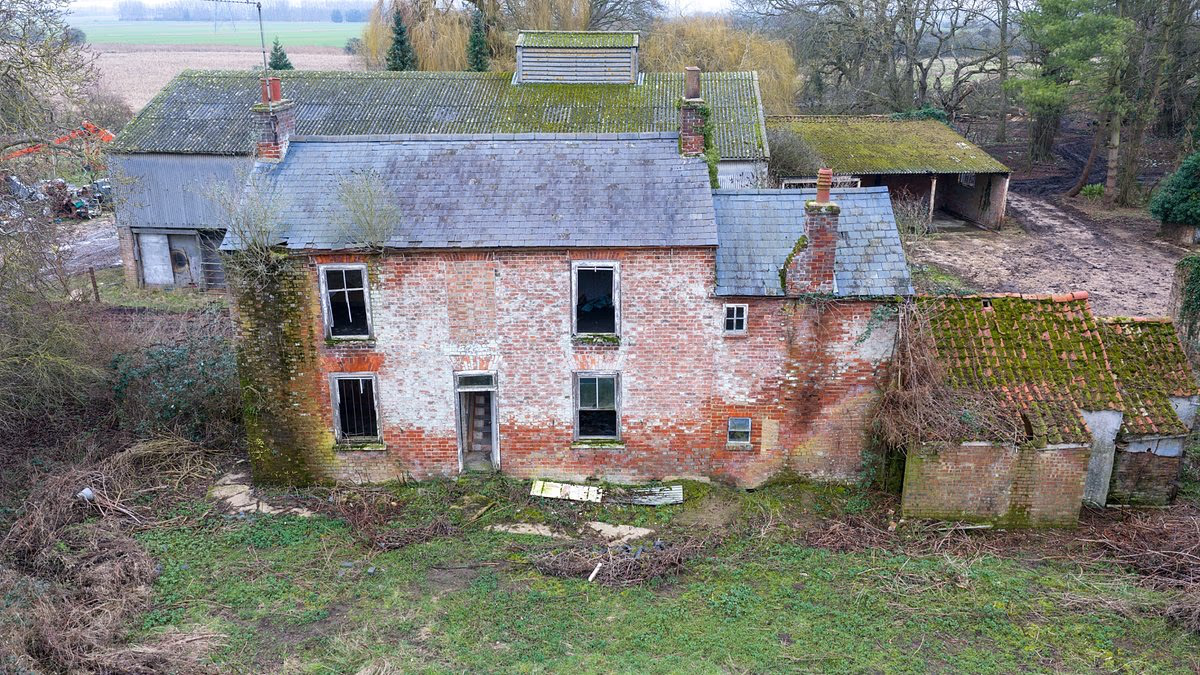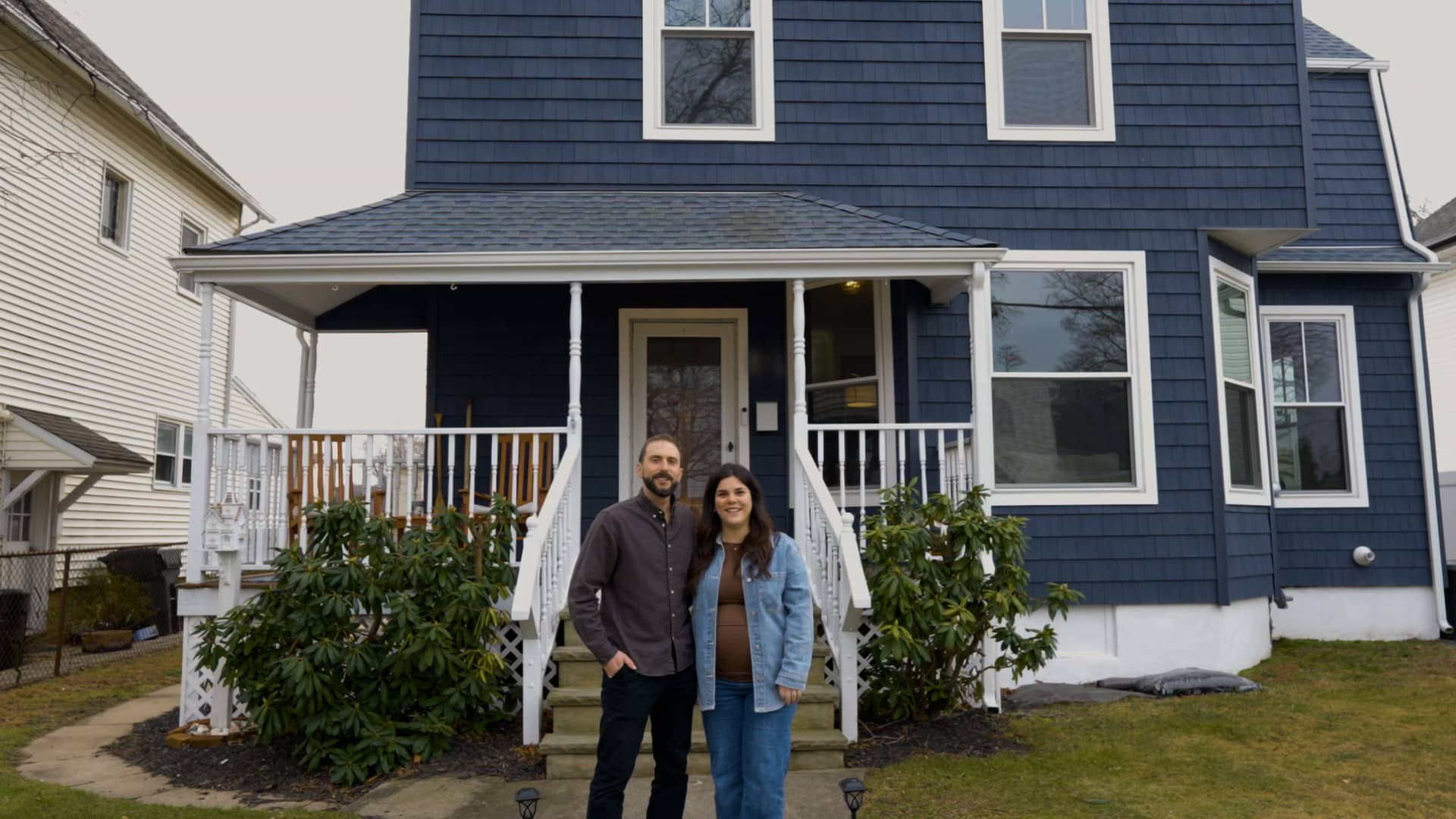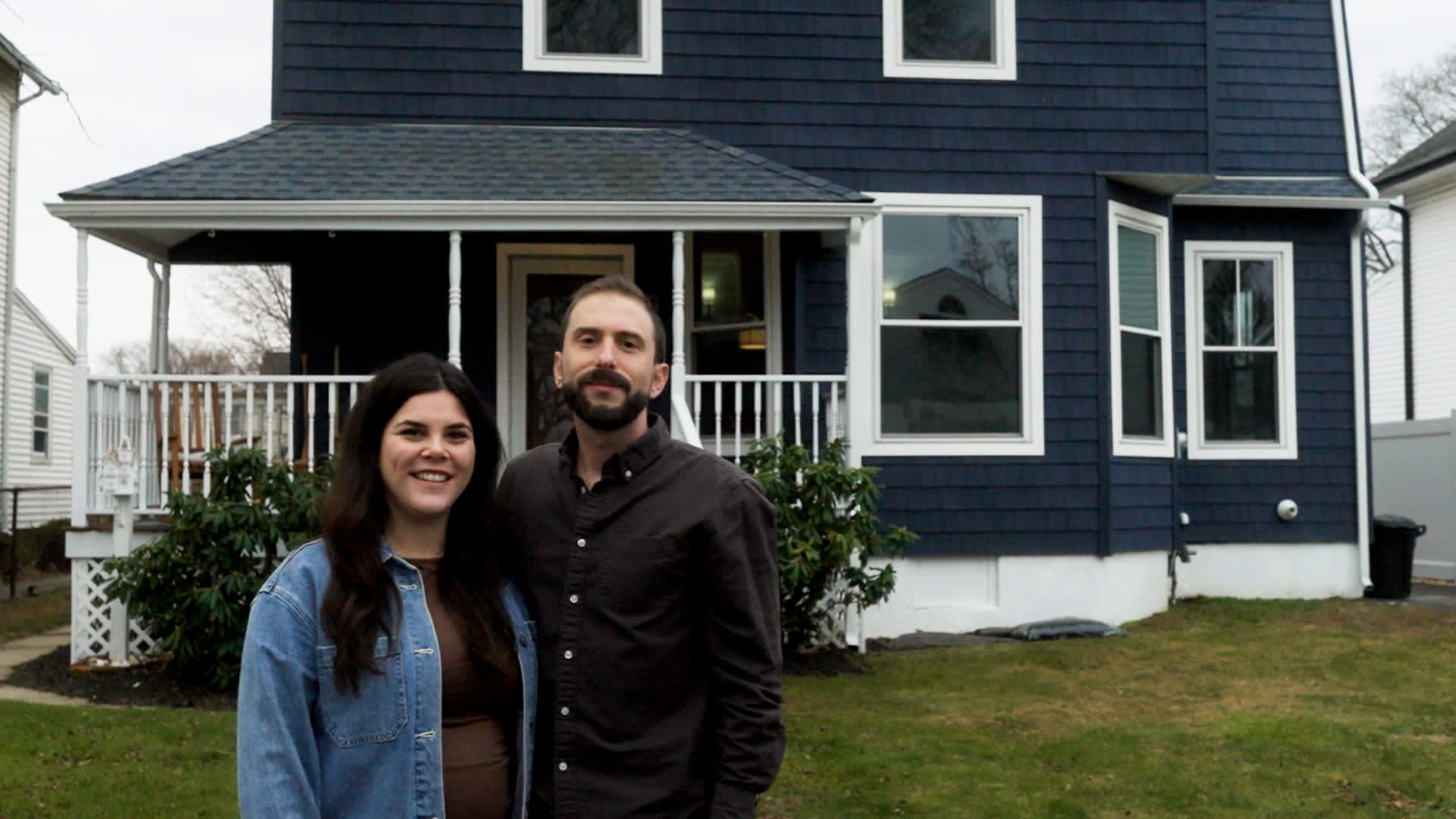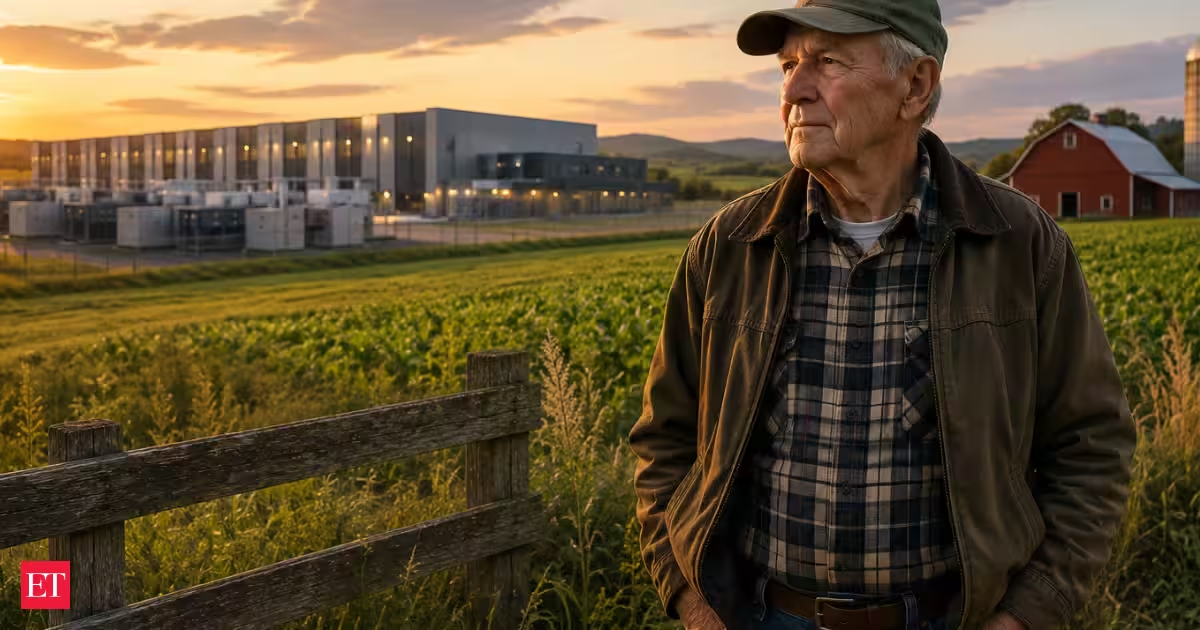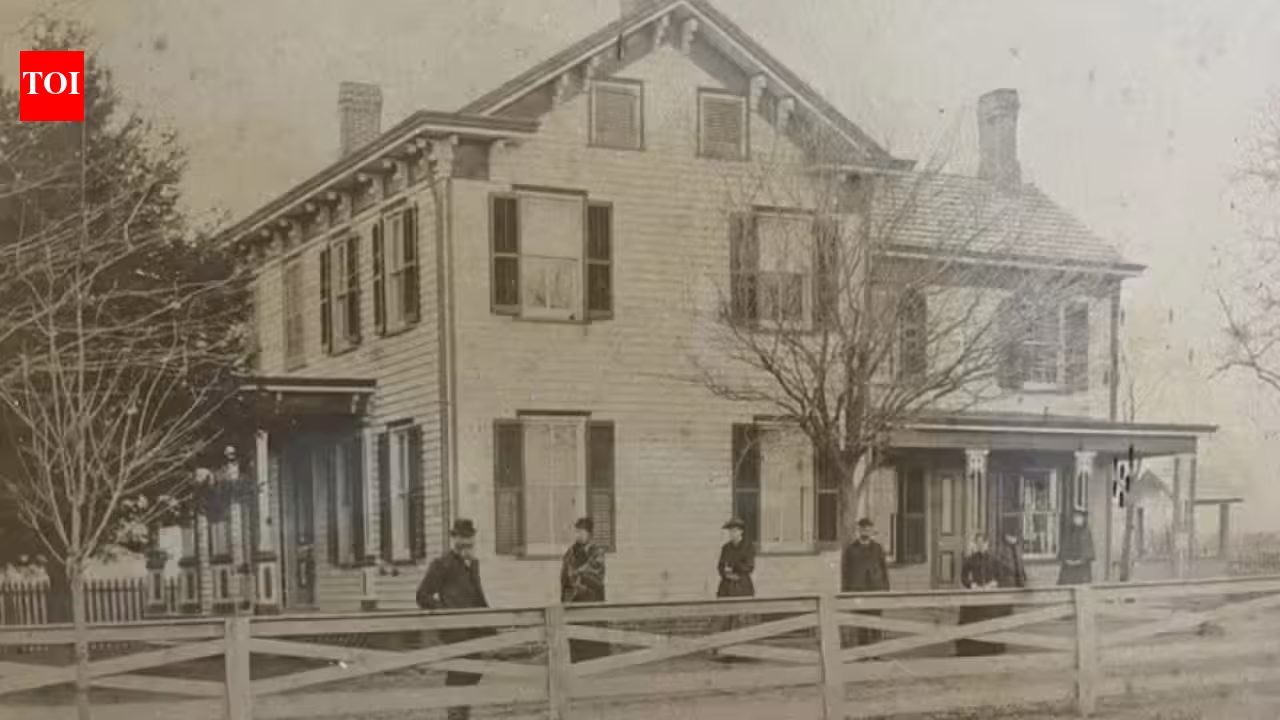
PC:Henry familyFor 175 years, the Henry family farm in Cranbury, New Jersey, remained a working piece of farmland. But in 2025, the 175-year-old property found itself at the centre of a dispute over the state's push to provide more affordable housing. Cranbury Township planned to acquire part of the 21-acre farm for a 130-unit housing development, warning the owners that it could use eminent domain if they refused to sell. What followed was a prolonged legal and political fight that drew in residents, state leaders and federal officials. The Henry family challenged the proposed taking in court while the township faced growing pressure to find another location for its housing obligation. A change to a state rule governing the distance between affordable housing and warehouses eventually opened the door to an alternative site. By October 2025, a settlement had been reached, removing the farm from the housing plan and allowing the property to remain with the family. The owners are now working to place the land under farmland preservation protections.Cranbury’s 175-year-old New Jersey farm faced eminent domain for affordable housingThe proposed development was not simply a planning idea. LegalClarity reported that the township sent the Henry brothers a letter in April 2025 warning that it would use eminent domain if they did not agree to sell. The Township Committee then voted unanimously in May to authorise eminent domain proceedings. The proposed housing project was to include six multi-family buildings, a community building and open space, with homes designated for very-low-, low- and moderate-income households.The decision triggered a strong local backlash. Residents attended committee meetings to protest the proposed seizure, while former mayor Jay Taylor raised concerns about property rights and the farm's importance as an environmental buffer in an area increasingly surrounded by warehouses. Andy Henry said the “farm represents exactly what the town prides itself on”, pointing to its open space, history and farmhouse. The dispute soon moved beyond Cranbury, attracting attention from state politicians and federal officials.Henry family challenges Cranbury’s eminent domain plan in courtThe Henry family took the fight into court. Their attorney, Timothy Duggan, challenged the proposed taking on several grounds, arguing that the property was intended to be transferred to a private developer rather than used for genuine public use. Other arguments questioned how the township had selected the site, whether the rights of other property owners had been treated equally and whether the developer had been given an improper role in choosing the land. Andy Henry also filed a separate lawsuit against the eminent domain ordinance, while Henry Realty Co. challenged the township's housing plan.At the same time, a seemingly technical housing regulation became central to the dispute. New Jersey's Housing and Mortgage Finance Agency had required affordable housing sites to be at least 250 feet from a warehouse facility's property line. Cranbury officials argued that this rule had eliminated many possible alternatives. In August 2025, however, township officials went before the agency and pushed for the way the buffer was measured to be changed. Negotiations involving the Henry family, Cranbury Township and the Fair Share Housing Centre followed, with federal and state officials also becoming involved.October 2025 settlement saves Cranbury’s 175-year-old Henry family farmThe breakthrough came in October 2025, when Governor Phil Murphy announced that a settlement had been reached. “For 175 years, the Henry Family Farm has stood on South River Road in Cranbury as a proud symbol of that agricultural tradition,” Murphy said. “New Jersey will always protect its farmers and farmland.” The settlement became possible after the housing agency revised its warehouse buffer rule, measuring the 250-foot distance from the actual “area of warehouse operations” rather than the entire warehouse property's boundary.The change allowed Cranbury to consider other land for its housing obligations. The Henry farm was ultimately removed from the housing plan, while a new 11.82-acre site at 1260 South River Road was selected for the proposed 130-unit affordable development. The amended plan was later approved, and the farm remained under Henry family ownership. Andy Henry said that after regaining control of the property, the family was working to place it in New Jersey's Farmland Preservation Program to prevent future development attempts. His attorney also helped facilitate the farm's entry into the programme.
A 175-year-old New Jersey family farm faced a 130-home housing plan; after six years of fighting, the owners kept the land
For 175 years, the Henry family farm in Cranbury, New Jersey, remained a working piece of farmland. But in 2025, the 175-year-old property found itself at the centre of a dispute over the state's push to provide more affordable housing.
704 words~3 min read