Story audio is generated using AI
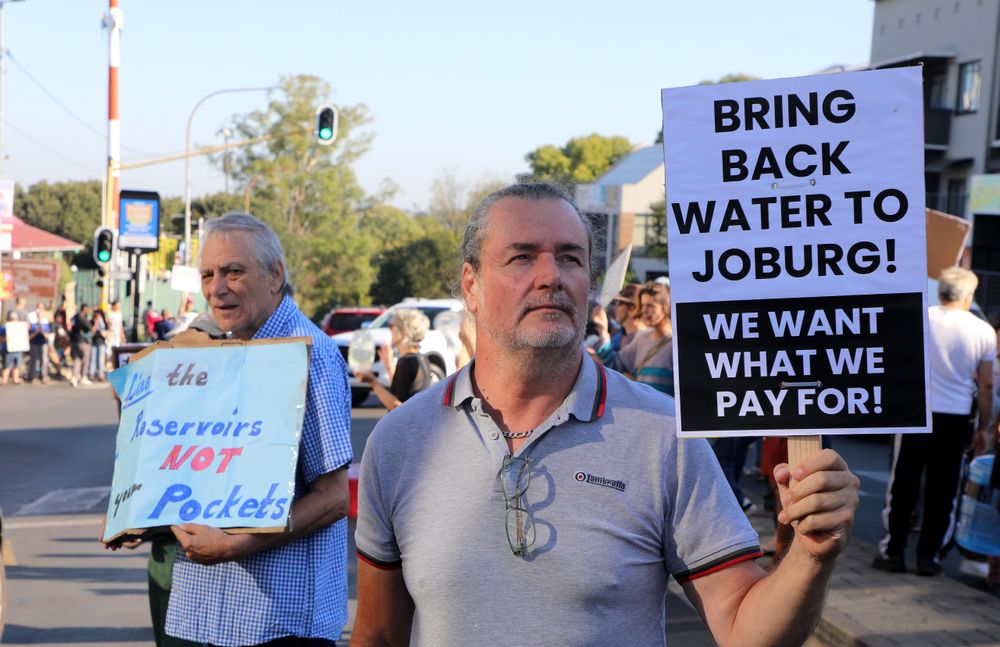
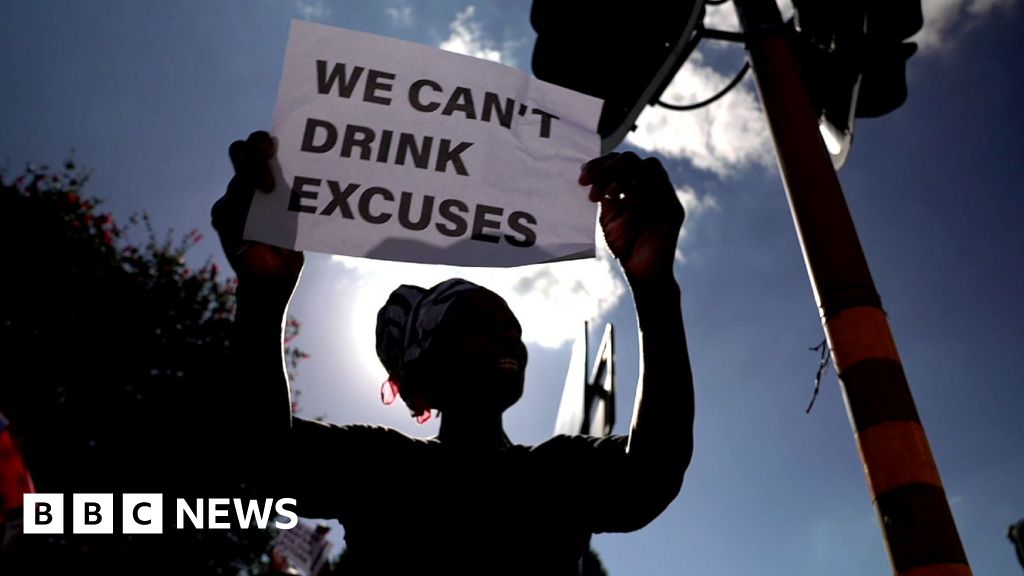
The Gauteng provincial government has urged residents and businesses to curb water use as rising demand puts further strain on a system already operating close to capacity.The warning comes as higher municipal demand puts pressure on Gauteng’s water supply system. The province’s three metropolitan municipalities — Johannesburg, Tshwane and Ekurhuleni — account for about 70% of water supplied by bulk utility Rand Water.“Reservoir and tower storage levels are declining despite the systems operating at or near full pumping capacity,” premier Panyaza Lesufi’s office said in a statement. But WaterCAN executive manager and environmental justice activist Ferrial Adam told Business Day that the pressure was not the result of a sudden spike in consumption, but years of weakening infrastructure and inadequate maintenance.Read: The water plan that Ramaphosa hopes will do for taps what Eskom did for lights“Gauteng’s water system has been under increasing pressure for years,” she said, citing ageing infrastructure and municipalities struggling to keep their networks functioning efficiently.The concern is particularly acute in Johannesburg, where water supply problems have increasingly been tied to the municipality’s financial health.The People’s Water Forum (PWF), of which WaterCAN is a member, warned earlier this month that Johannesburg’s water problems reflected a deeper financial crisis in the city.Projects involving reservoirs at Hursthill, Crosby, Blue Hills and Kaalfontein have been delayed, while workers on the Crosby project have reportedly gone unpaid for months, the forum said.The PWF has also raised concerns about the city’s financial reporting and called for greater transparency over funds flowing to Johannesburg Water.The infrastructure and financial challenges cannot be separated from the issue of water losses, Adam said.Municipalities lose large volumes of treated water through leaking pipes, bursts, faulty meters and ageing infrastructure before it reaches consumers.“In Johannesburg alone, billions of litres (and rand) of water are lost every year through nonrevenue water,” she said.This means the pressure on Gauteng’s water system is not simply a question of households using too much water.While residents and businesses have a responsibility to conserve, Adam said behavioural campaigns could not substitute for fixing failing infrastructure.“People need to be part of the response, not simply told to use less water,” she said.The provincial government has urged residents to repair leaks, take shorter showers, avoid hosing driveways and report bursts and other water losses.Adam said large users, including industry, commercial property owners and institutions, should also monitor consumption and cut nonessential use.Ultimately, she said, Gauteng needed a broader response combining responsible water use with urgent investment in maintenance, infrastructure renewal and better municipal governance.“Without that, every period of high demand or planned maintenance will continue to push Gauteng closer to avoidable water shortages,” Adam said.Earlier this month, water & sanitation deputy minister David Mahlobo vowed that South Africa would not run out of potable water despite mounting pressure on its infrastructure, though he acknowledged that the resource remains one of the country’s most urgent service delivery challenges.Business Day