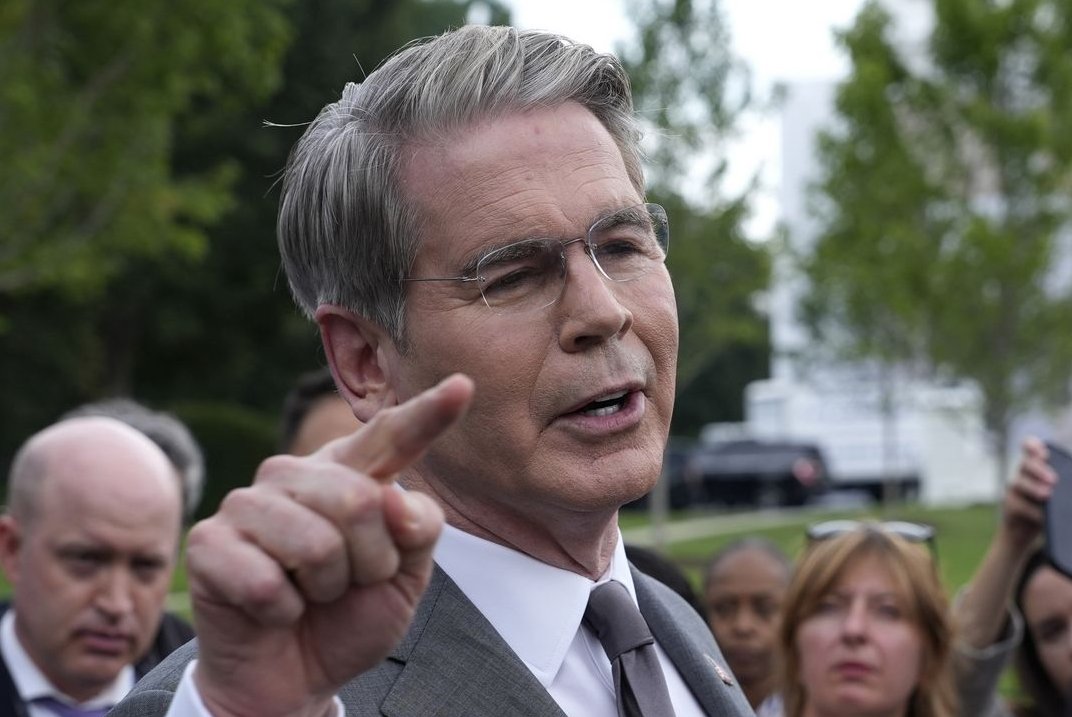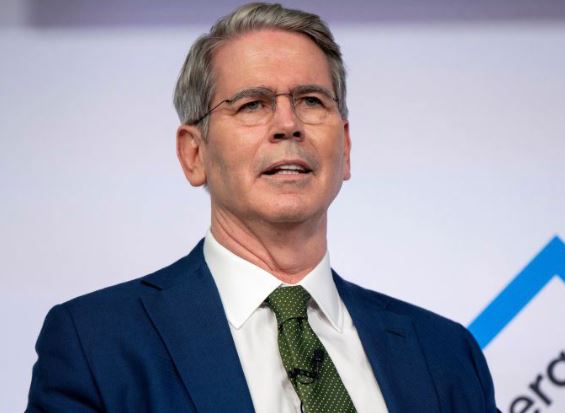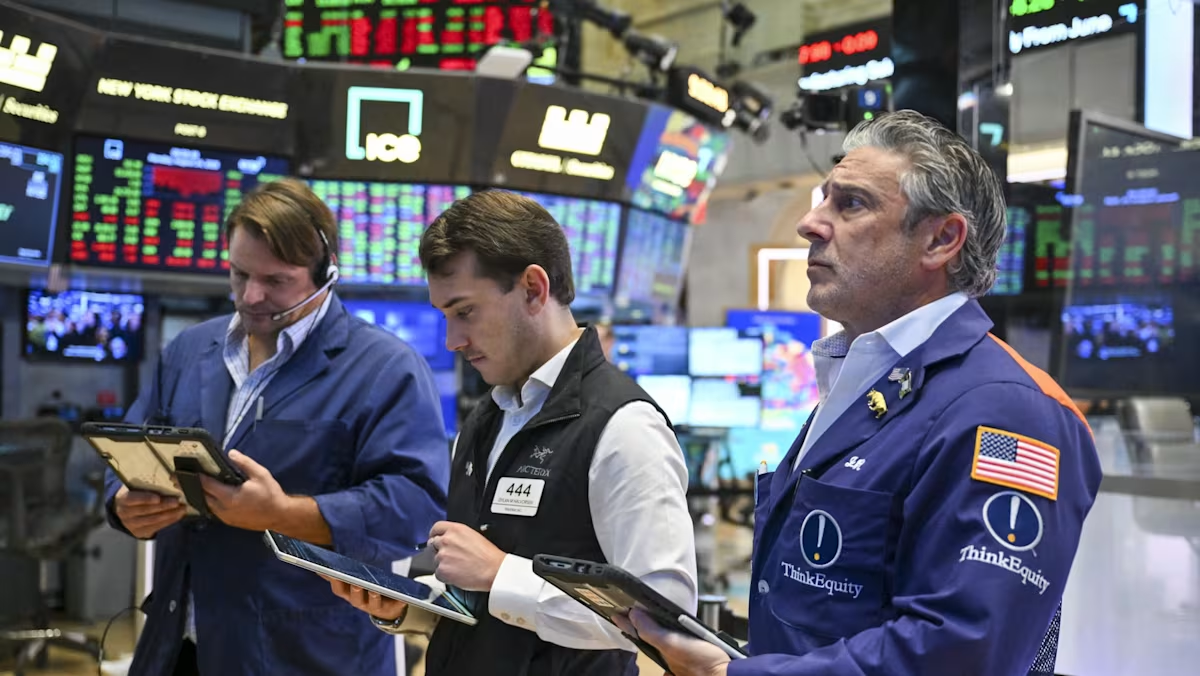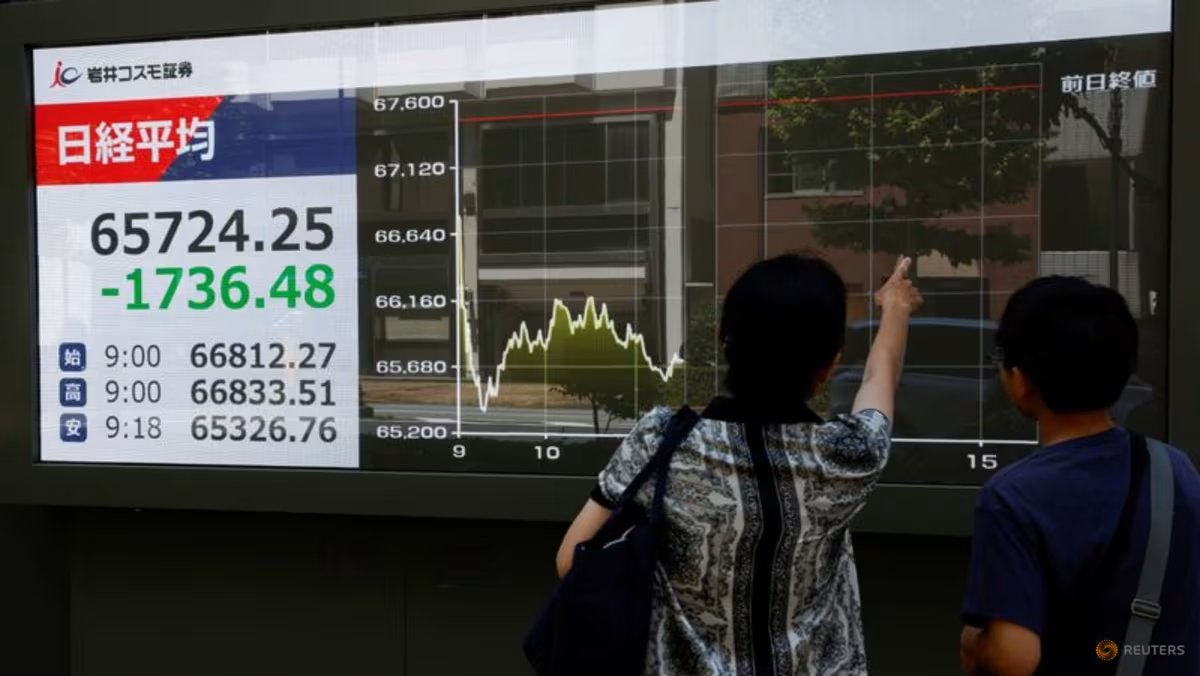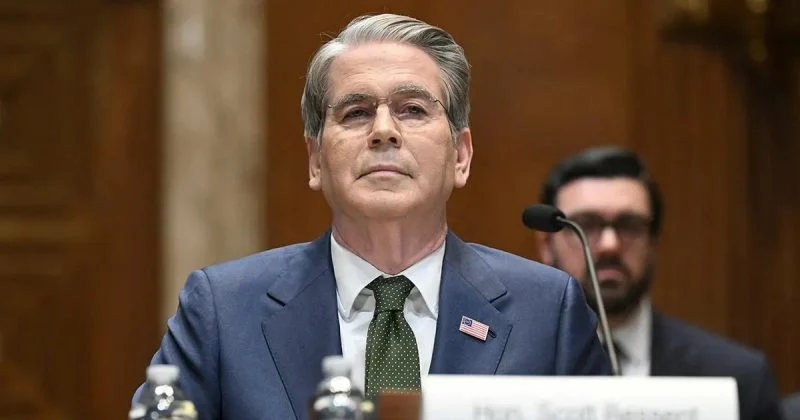
Oil prices pulled back and Asian equity markets traded sideways as the energy world entered a familiar holding pattern: waiting for Washington to show its cards. Treasury Secretary Scott Bessent’s promised details on sweeping new Iran sanctions, expected at an August 24 press conference, have left traders caught between the urge to position aggressively and the wisdom of doing nothing at all.
The pause follows a sharp rally earlier in the week. When Bessent first dropped the phrase “toughest sanctions in history” on August 20, Brent crude jumped 2.4% to close at $93.78 per barrel. WTI futures climbed even harder, rising 2.7% to roughly $86.64. Markets priced in the headline. Now they want the fine print.
What Bessent has telegraphed so far
The Treasury Secretary framed the sanctions as a “one-two punch” paired with an existing naval blockade in the region. The goal, as Bessent described it, is to collapse the Iranian regime economically without requiring large-scale military operations.
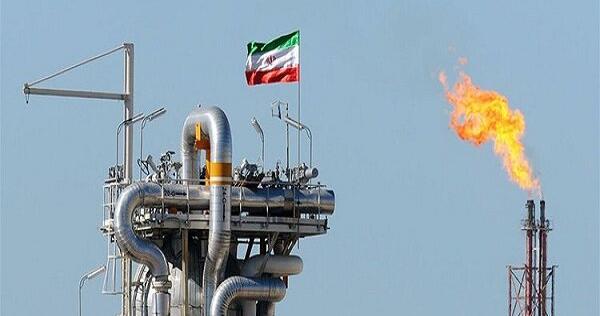
The sanctions are expected to target Iran’s oil export networks and, critically, the secondary actors that facilitate Chinese purchases of Iranian crude. China buys more than 80% of Iran’s oil exports. Bessent has publicly urged Beijing to cooperate with the new restrictions, drawing parallels to past US sanctions campaigns against Venezuela and Cuba as templates for sustained economic pressure. Beijing, for its part, has pushed back, arguing that sanctions alone won’t resolve the underlying conflict.