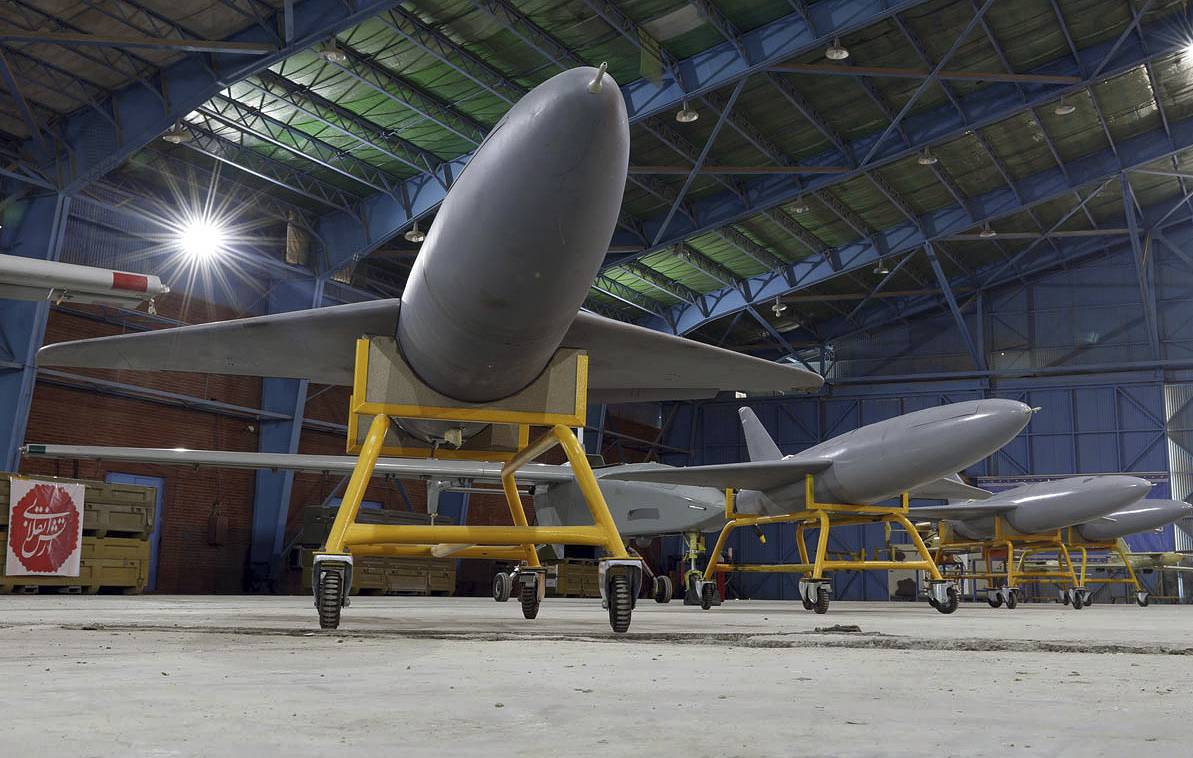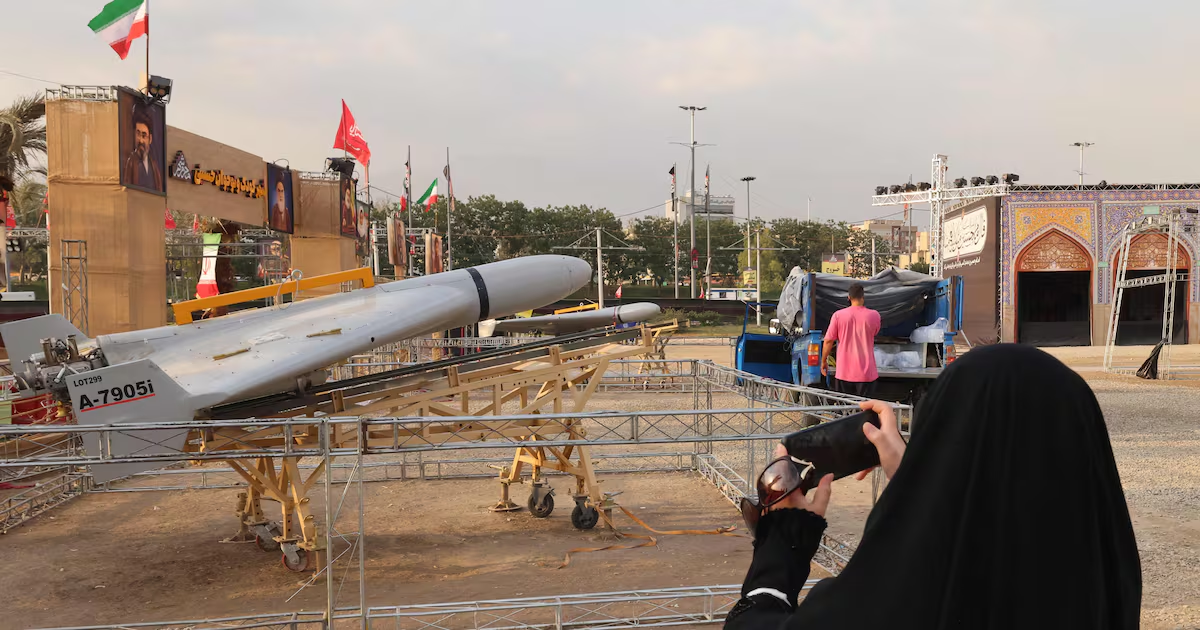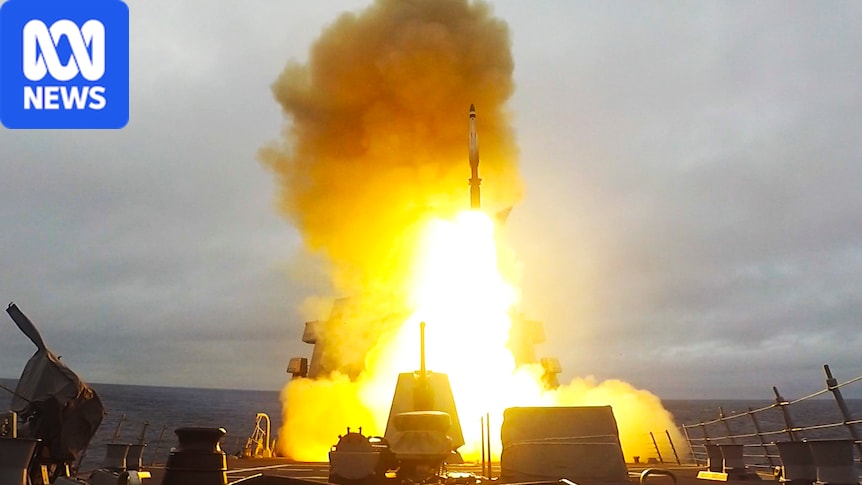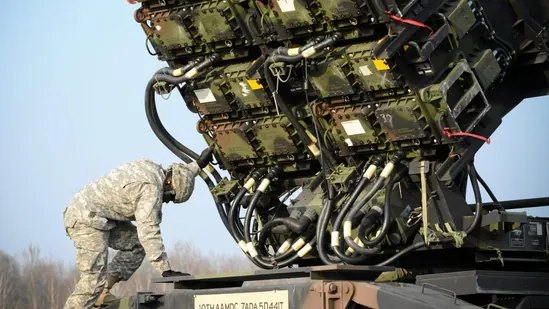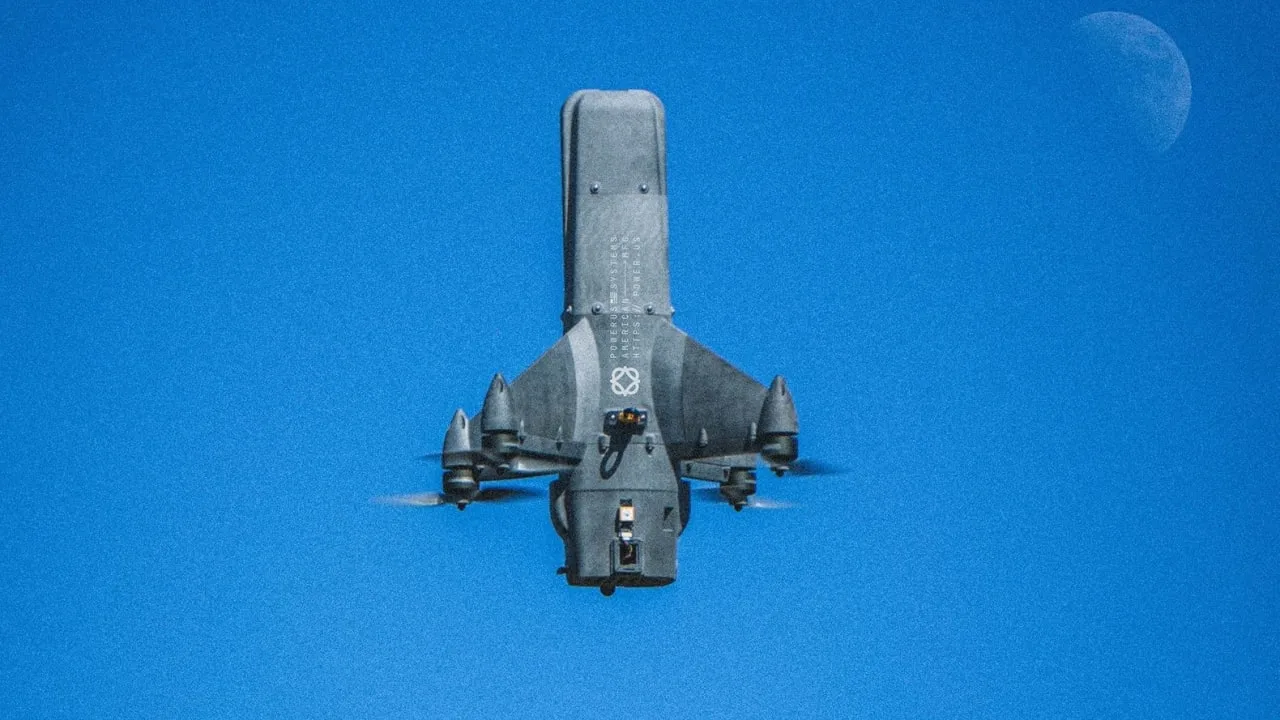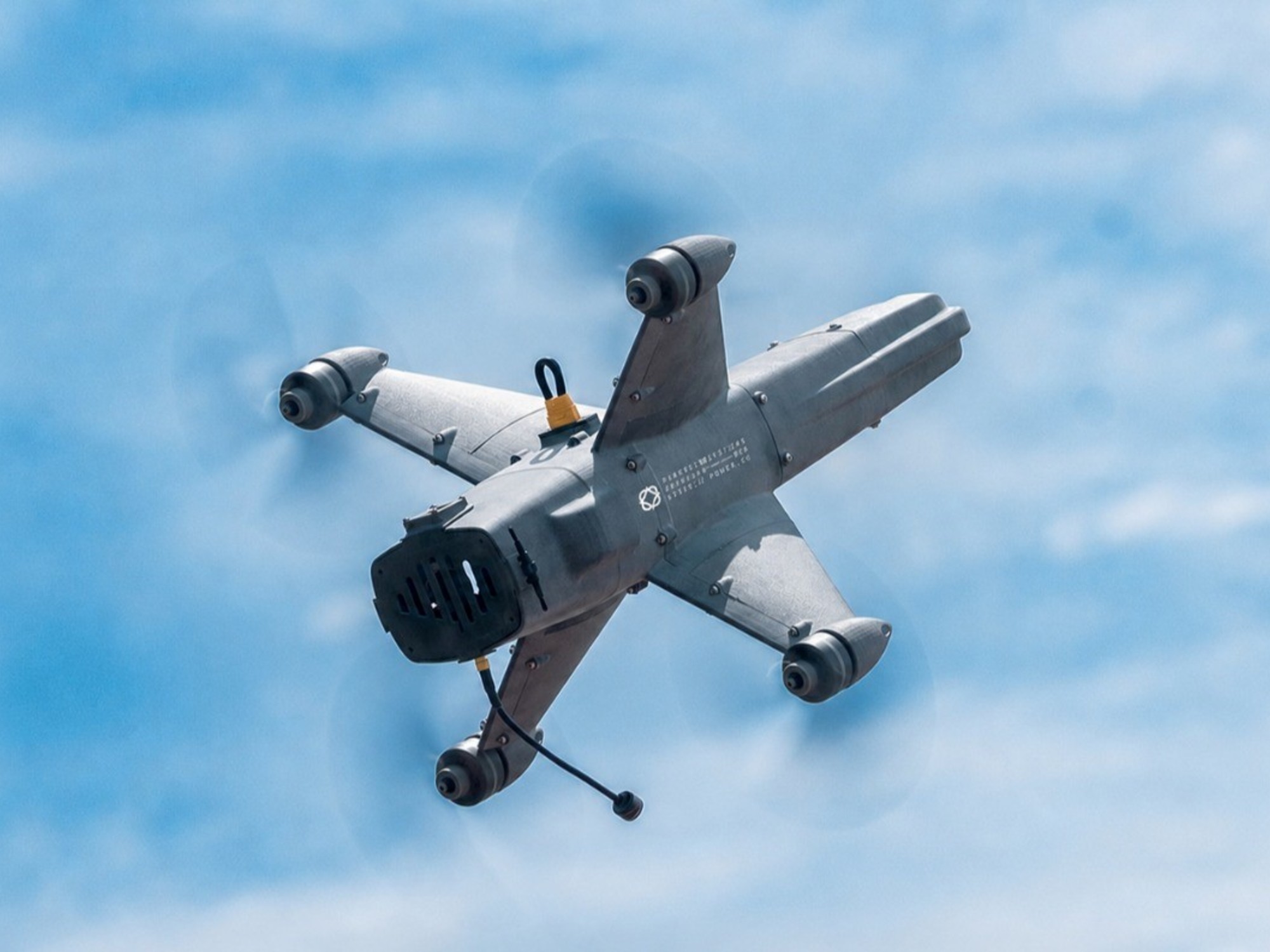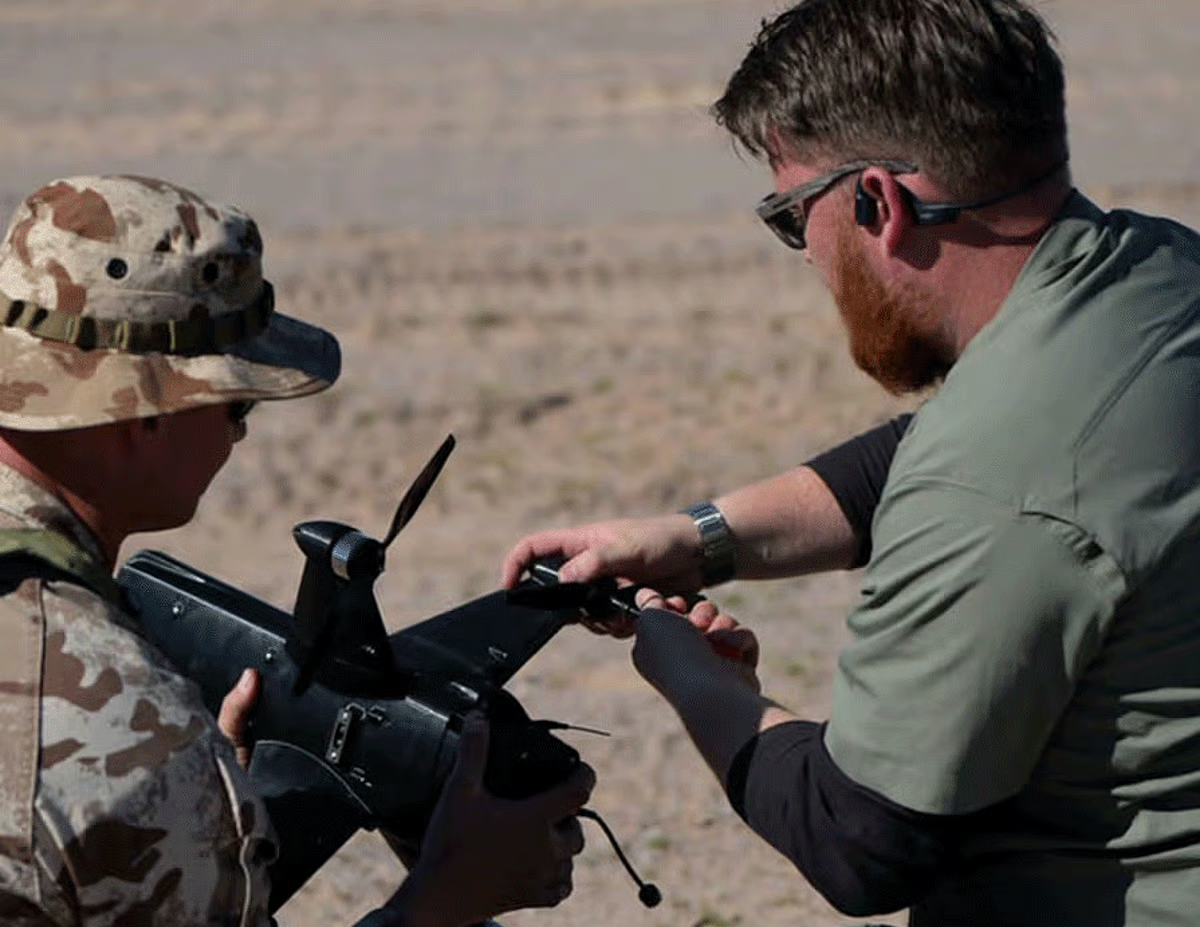
Cheap interceptors reshape air defence as militaries rethink cost of countering dronesLast updated: August 24, 2026 | 05:074 MIN READA low-cost Guardian drone interceptor being prepared for use. The $5,000 system reflects a growing push for cheaper ways to counter mass drone threats. Source: PowerusDubai: The Iran war has exposed one of the most punishing equations in modern warfare: How long can a country afford to use sophisticated, multimillion-dollar missiles to shoot down relatively cheap attack drones?The answer is beginning to reshape the defence industry.A new generation of interceptors costing as little as $5,000 is emerging as militaries search for cheaper ways to counter mass drone attacks while preserving their most advanced missiles for ballistic and other high-end threats.The shift, first accelerated by the war in Ukraine, has gained new urgency from the Iran conflict, according to The New York Times, which reported on efforts by US defence companies to rapidly expand production of lower-cost interceptors.From Ukraine to the Middle EastAt the centre of the push is Guardian, an interceptor developed by Florida-based startup Powerus and based on Ukrainian technology that proved effective against Russia’s Iranian-designed Shahed drones.The interceptor is essentially a small, relatively simple weapon designed to crash into an incoming drone before it reaches its target.Guardian costs about $5,000, according to the NYT — dramatically less than the sophisticated missiles traditionally used in air-defence systems.The weapon cannot intercept ballistic missiles, meaning it is no replacement for systems such as Lockheed Martin’s PAC-3. Instead, the idea is to create layers of defence: inexpensive interceptors against inexpensive drones and advanced missiles against the most dangerous threats.That distinction has become increasingly important as drones are launched not individually but in large salvos intended partly to overwhelm defences.The cost of shooting down drones$5,000: Guardian interceptor developed by Powerus$5,000: Starting cost of Neros’ Bandit interceptor$126,500: Estimated cost of Raytheon’s Coyote interceptor$2 million: Expected cost of Lockheed Martin’s planned lower-cost interceptor~$4 million: Approximate cost of a PAC-3 interceptor3,000 a month: Current Powerus-affiliated interceptor production15,000 a month: Powerus global production target by mid-2027THE NEW EQUATION: Use cheaper weapons against mass-produced drones — and save sophisticated interceptors for ballistic missiles and other high-end threats.The mathematics of drone warfareThe challenge is not simply whether a drone can be shot down. It is how much it costs to shoot it down.Using a missile costing hundreds of thousands — or even millions — of dollars against a far cheaper drone may make tactical sense when lives or critical infrastructure are threatened. Repeating that equation hundreds or thousands of times, however, becomes difficult to sustain.And an attacker does not necessarily have to penetrate an air-defence network to impose costs. By forcing the defender to repeatedly launch expensive interceptors, cheap drones can gradually drain valuable ammunition stockpiles.The Iran conflict has reinforced that lesson after Ukraine demonstrated it on a huge scale.From 3,000 to 15,000 a monthCost is only half the equation. The other is production speed.Factories affiliated with Powerus currently produce roughly 3,000 drone interceptors a month, a company spokesman told the NYT. The company aims to build a global manufacturing network capable of producing 15,000 a month by mid-2027.Its Guardian has deliberately been designed for relatively simple assembly, using commercially available microchips and GPS modules.Powerus has also partnered with a defence company near Mumbai to manufacture interceptors in India, according to the report.The approach represents a departure from the traditional defence-industry model, in which sophisticated weapons can take years to develop and are often produced at a small number of highly specialised plants.Defence giants are changing tooStartups are not alone.Lockheed Martin said in July that it planned to produce a lower-cost interceptor in Europe with European partners. The weapon is expected to cost about $2 million, roughly half the price of a PAC-3, although testing is not expected until 2028, according to the NYT.Raytheon has its Coyote interceptor, whose estimated cost is about $126,500, according to the Center for a New American Security.California startup Neros, meanwhile, is developing its Bandit interceptor drone, with its basic model costing around $5,000.The price range illustrates how rapidly a new market is developing between ultra-cheap attack drones and the enormously sophisticated missile systems traditionally tasked with destroying airborne threats.A lesson likely to outlast the warThere are limits to the cheap-interceptor revolution.Systems such as Guardian are designed primarily for drones and cannot replace high-end missile defences. Iran could also develop faster and more sophisticated drones, forcing defenders to continually adapt.But the broader lesson is unlikely to disappear when the fighting stops.Ukraine showed that relatively inexpensive drones could transform the battlefield. The Iran war has reinforced the other side of that equation: countries need an affordable way to destroy them.The next arms race, therefore, may not simply be about building the fastest missile or most sophisticated air-defence system.A Senior Associate Editor with more than 30 years in the media, Stephen N.R. curates, edits and publishes impactful stories for Gulf News — both in print and online — focusing on Middle East politics, student issues and explainers on global topics.
Iran war’s new defence lesson: From India to US, race to build $5,000 drone killers
Iran war and Ukraine reshape air defence as US, India race to build $5,000 drone interceptors to counter mass attacks and save costly missiles
901 words~4 min read