Academia
To turn a historic paper pact into real Indo-Pacific deterrence, Washington and Jakarta must move beyond symbolic drills to build a high-tech, gray-zone defense partnership that respects Indonesia’s strategic nonalignment.
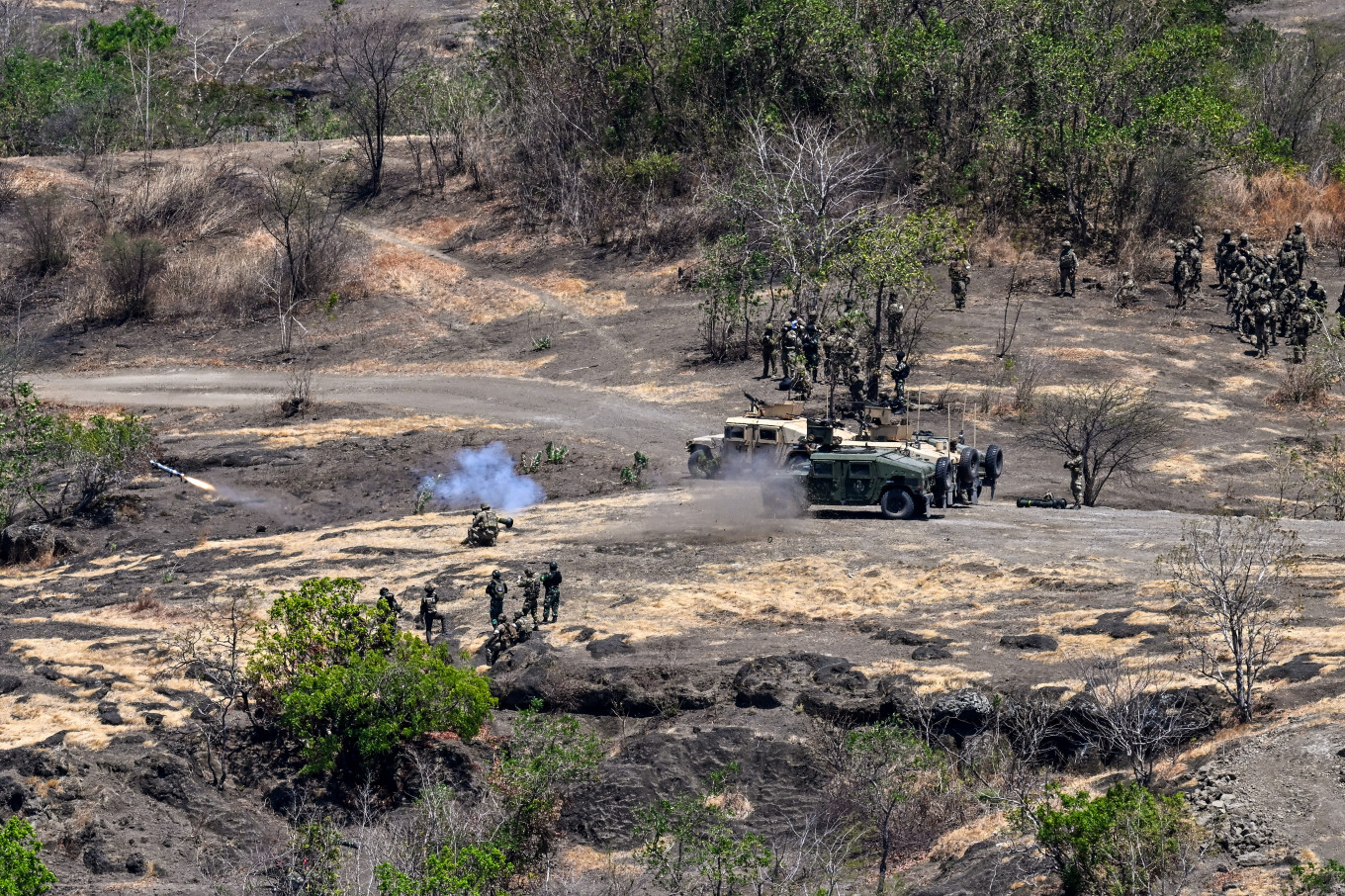
United States military personnel fire a Javelin anti-tank weapon system during the Super Garuda Shield 2024 joint military exercise including Indonesia, Japan, Singapore, Australia, Britain and the US in Situbondo, East Java on Sept. 6, 2024. (AFP/Juni Kriswanto)
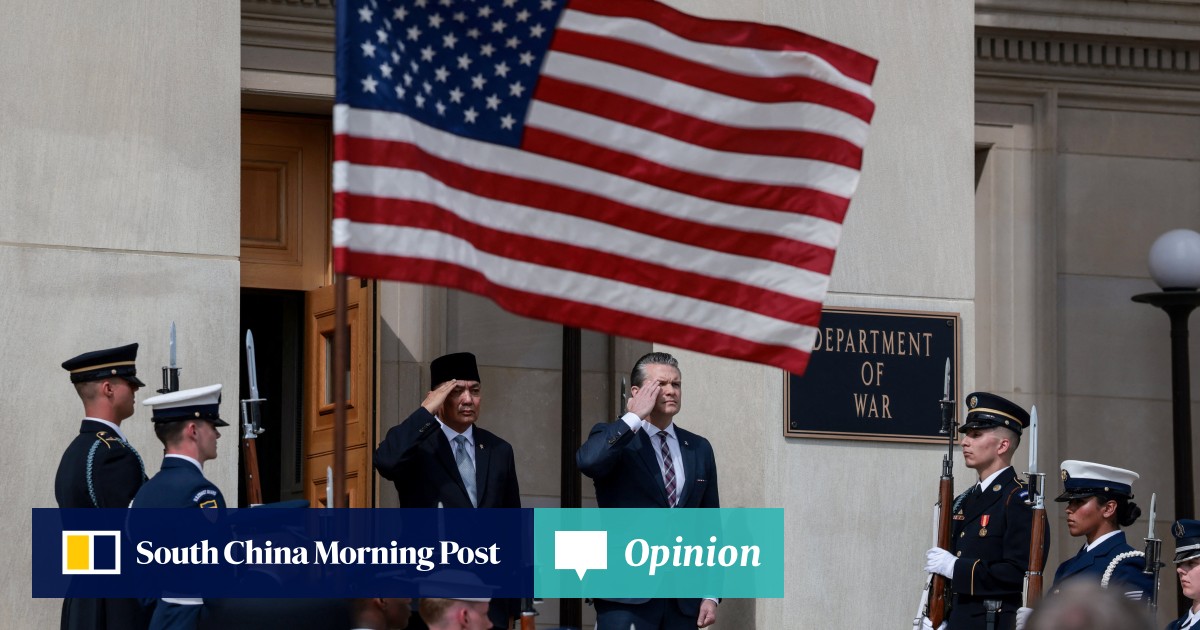
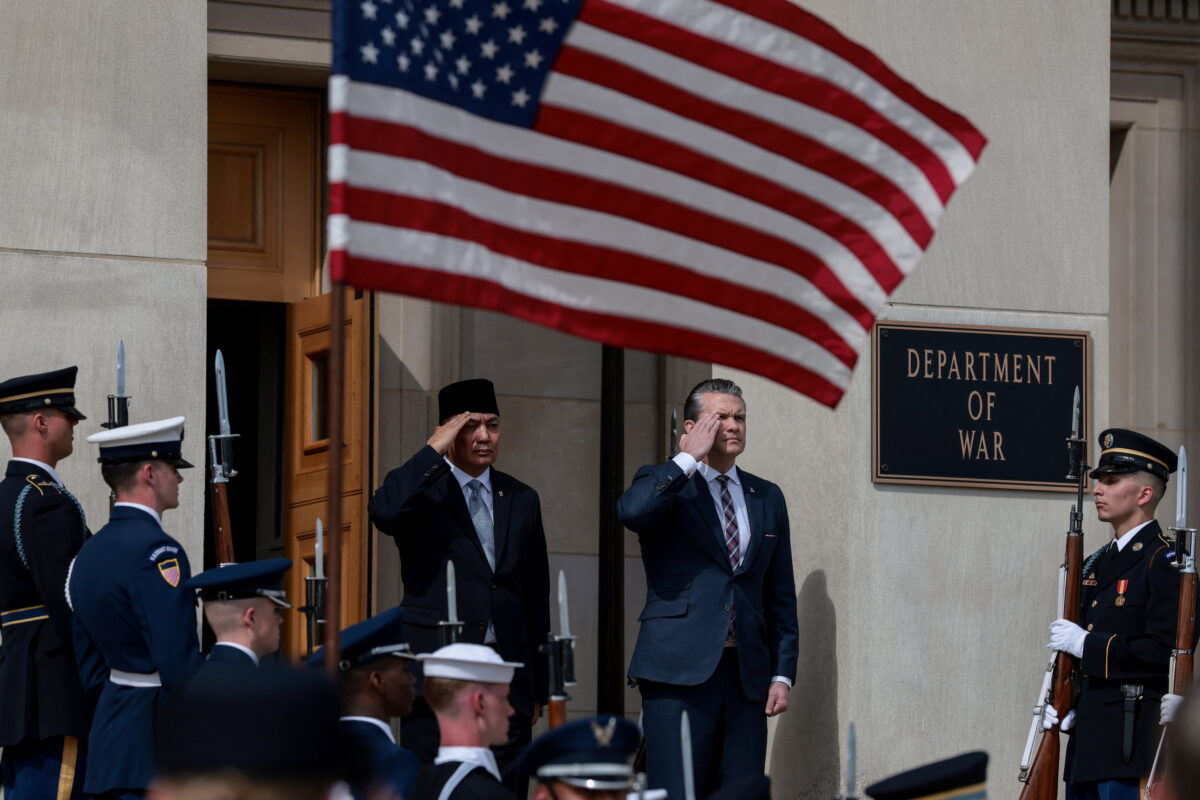
Off the coast of Hawaii, Indonesian Marines are operating alongside their United States counterparts in the sprawling 30th Rim of the Pacific exercises. This tactical unity follows a historic milestone at the Pentagon: the signing of the Indonesia-US Major Defense Cooperation Partnership (MDCP) last April. On paper, the framework signals a shared imperative to secure a volatile Indo-Pacific.Yet ink on paper neither deters gray-zone aggression nor secures vital maritime chokepoints like the Strait of Malacca. For the MDCP to become a transformative mechanism rather than a boilerplate bureaucratic victory, both countries should look beyond symbolic drills.
Washington should treat Indonesia’s nonalignment not as a strategic barrier, but as a stabilizing regional anchor. In return, Jakarta should move past its historical wariness of Western entanglement to coauthor a realistic deterrence strategy.