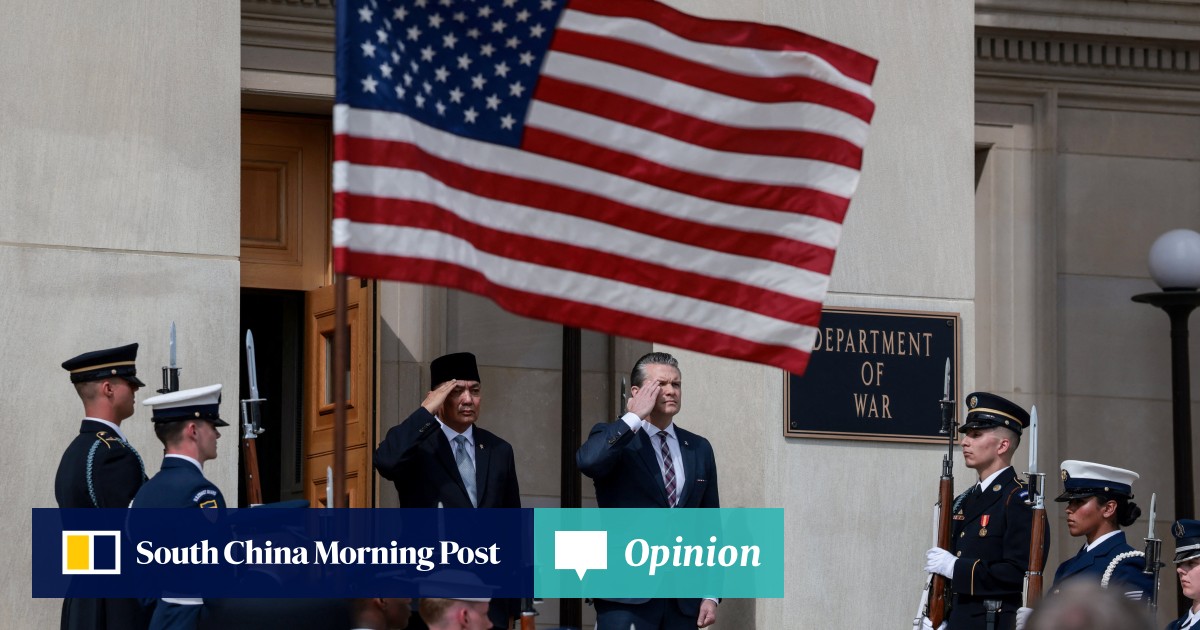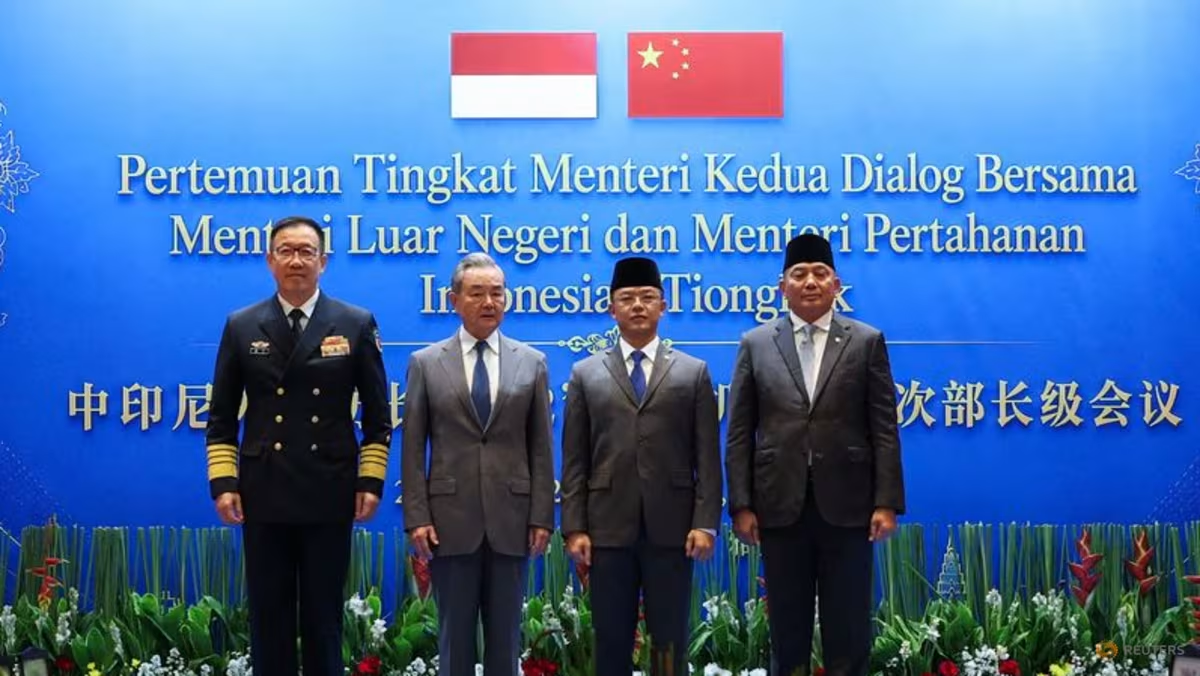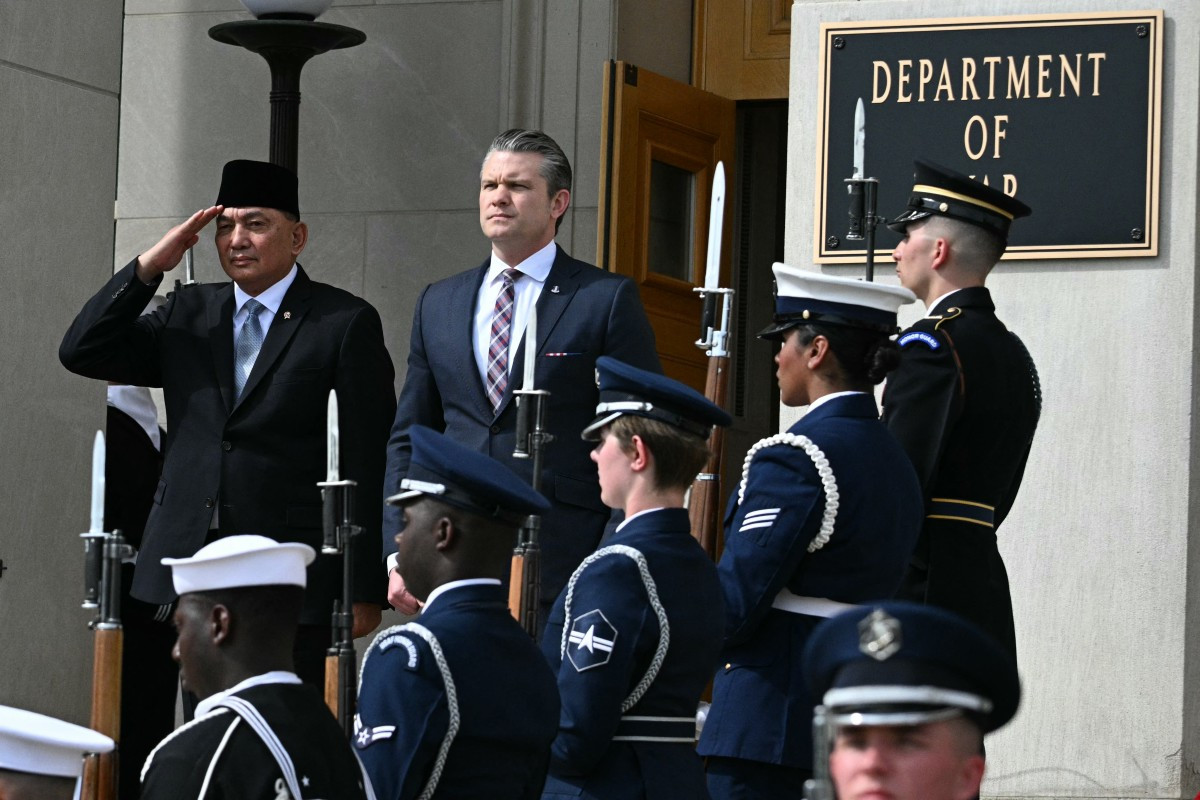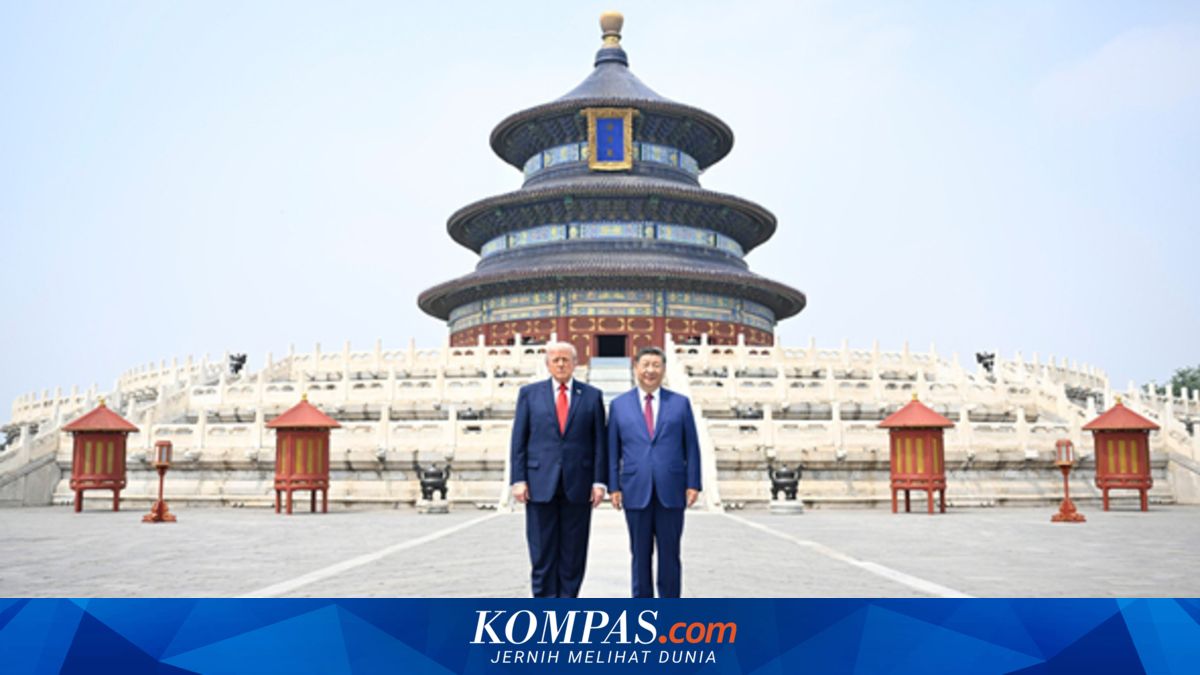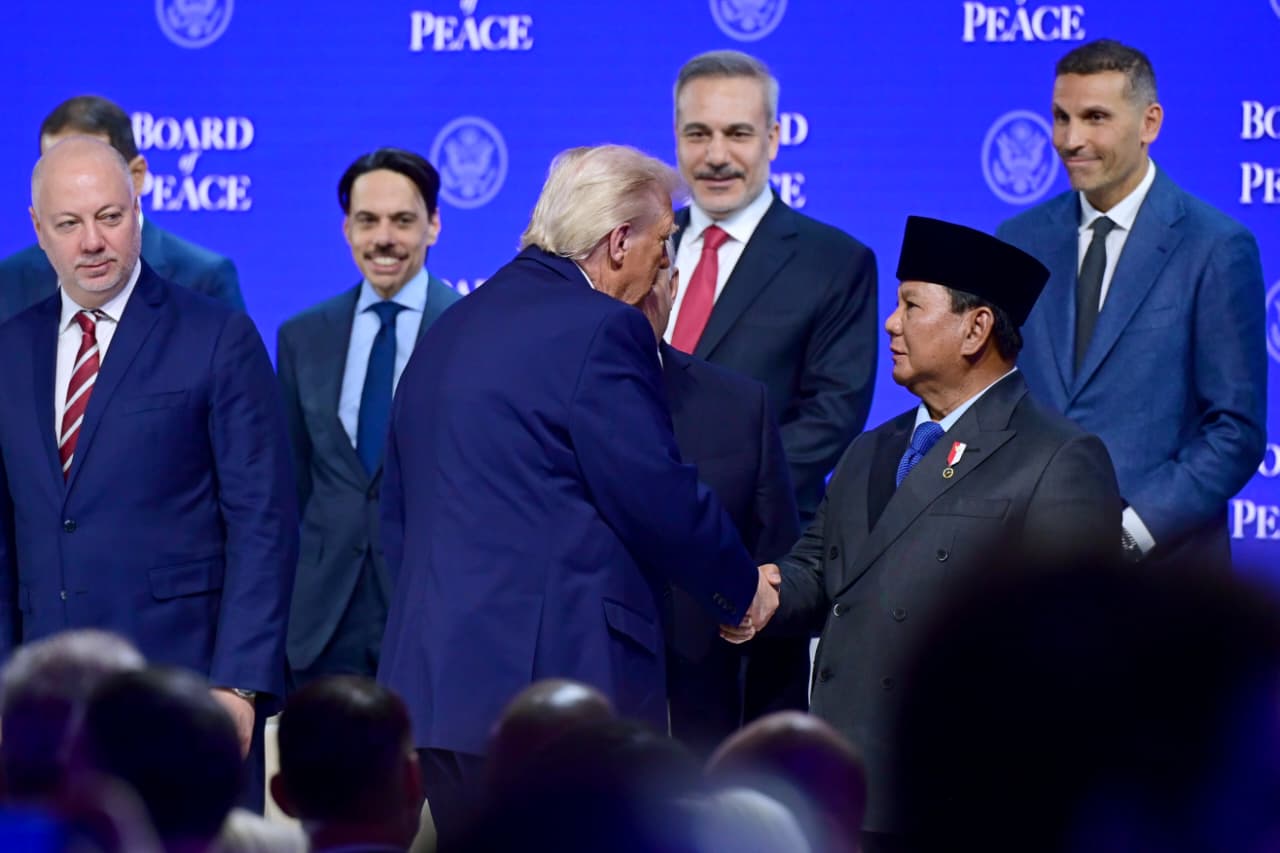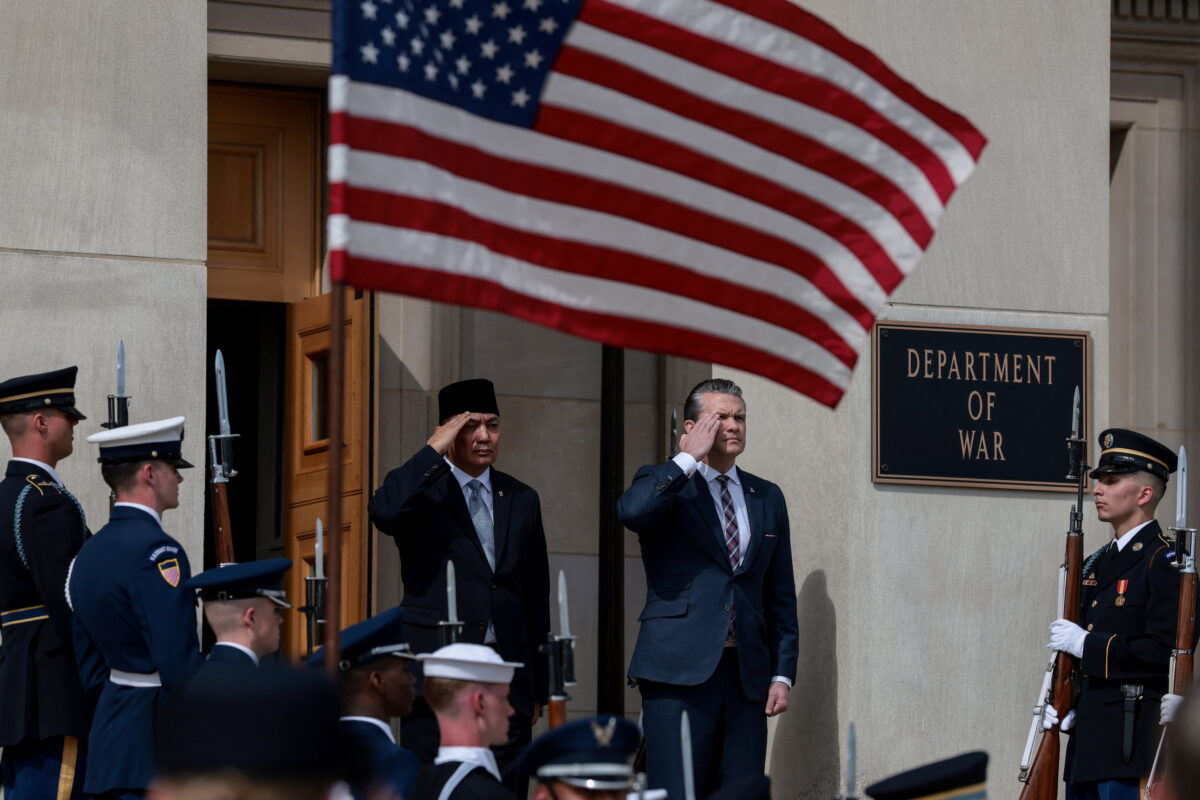
Amid intensifying US–China rivalry and facing an increasingly assertive United States under President Donald Trump, Indonesia finds itself at the centre of contestation, with public trust in the country’s foreign policy weakening. Controversy around the signing of the US–Indonesia Major Defense Cooperation Partnership (MDCP) on 13 April 2026 presents a case in point.
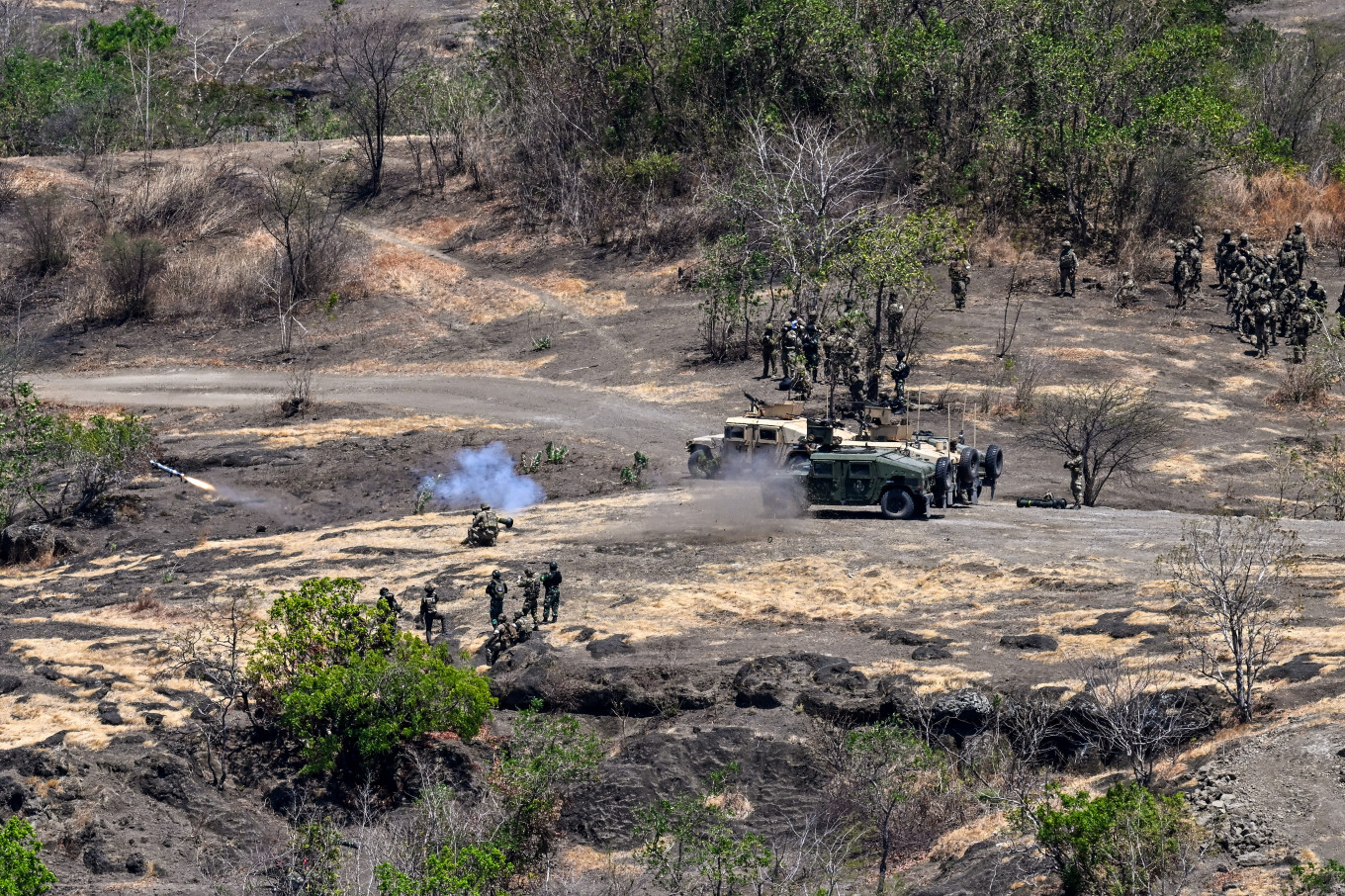
The agreement, signed by Indonesian Defence Minister Sjafrie Sjamsoeddin and US Secretary of Defense Pete Hegseth, committed to military modernisation, joint exercises and other forms of defence cooperation. In more peaceful times, it might have attracted little controversy.
But amid increasingly aggressive US attacks on Iran, the agreement’s signing coincided with a leaked report from a foreign online media outlet which suggested that Washington was seeking ‘blanket’ overflight permission across Indonesian airspace. While Jakarta has swiftly denied that any such concession had been granted, the public has been provoked by the perception that their government has quietly been selling their country’s sovereignty to a major power.
Public anxieties over the MDCP can be best understood through the lens of Indonesia’s foundational foreign policy doctrine, the ‘free and active’ (bebas aktif) principle. Articulated by then-vice president Mohammad Hatta in his 1948 speech and further elaborated in his 1953 Foreign Affairs article, the bebas aktif principle seeks to maintain Indonesia’s strategic autonomy amid pressure from major foreign powers while committing to the active pursuit of sovereignty, global peace and a just international order.