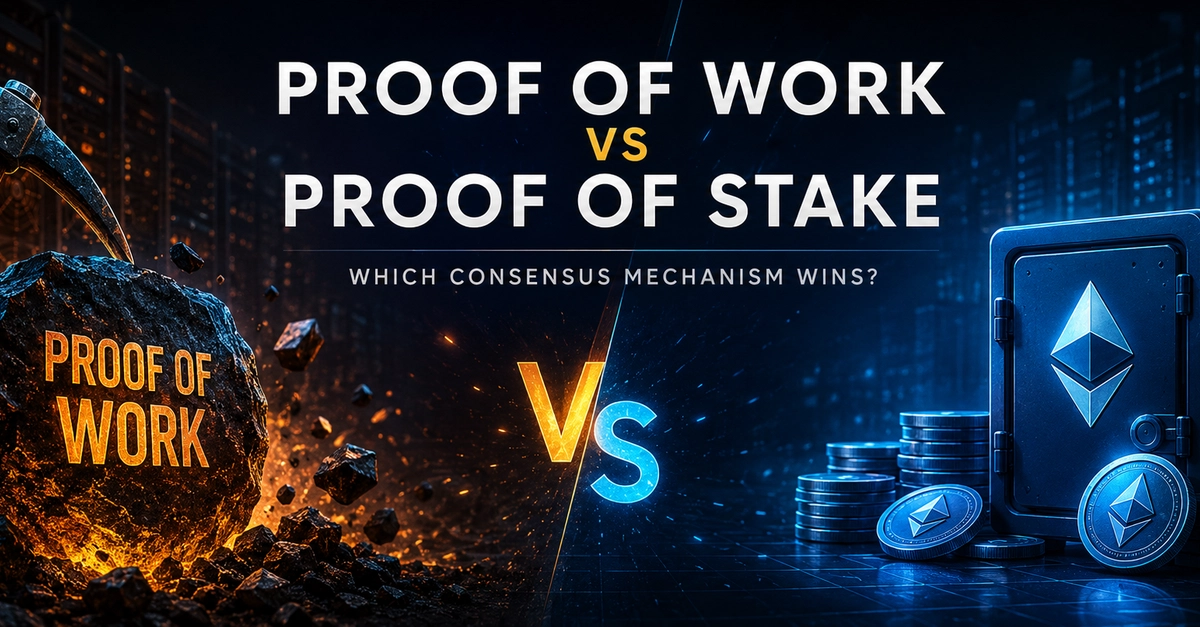
When Satoshi Nakamoto designed Bitcoin's Proof-of-Work consensus, the goal was simple: one CPU, one vote. What actually happened was very different. ASIC farms centralized mining into industrial warehouses, and the "one CPU" vision became "one warehouse, one vote." Proof-of-Stake was supposed to fix this by replacing energy expenditure with economic stake. Instead, it created a different problem: the rich get richer, forever.
RustChain's Proof-of-Antiquity (PoA) takes a radically different approach. Instead of rewarding who has the most money or the newest hardware, it rewards who has kept the oldest hardware running the longest. The core insight is elegant: time is the one resource that can't be bought, faked, or manufactured. Either your hardware has been alive for twenty years, or it hasn't.
This article does a deep technical comparison of Proof-of-Antiquity and Proof-of-Stake, drawing on the actual RustChain source code to explain how each consensus mechanism handles decentralization, Sybil resistance, economic fairness, and network security.
The Fundamental Philosophies
Proof-of-Stake: Wealth as Security