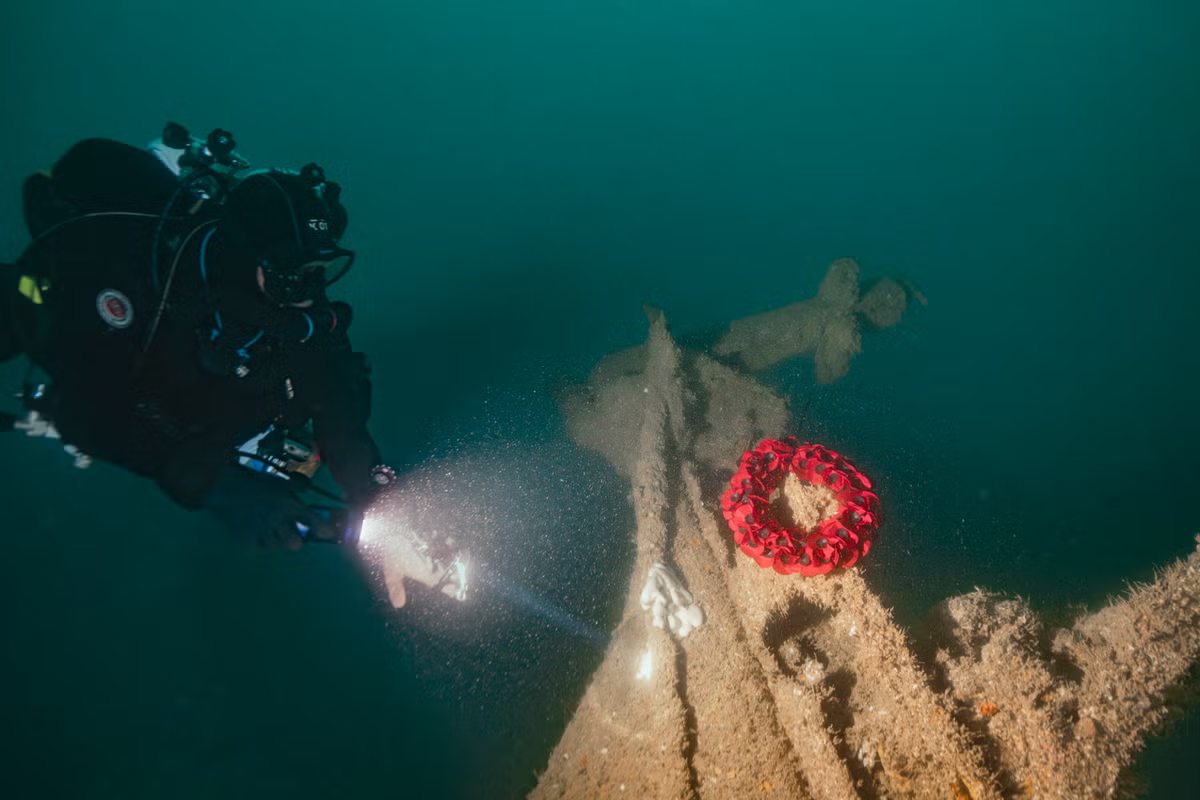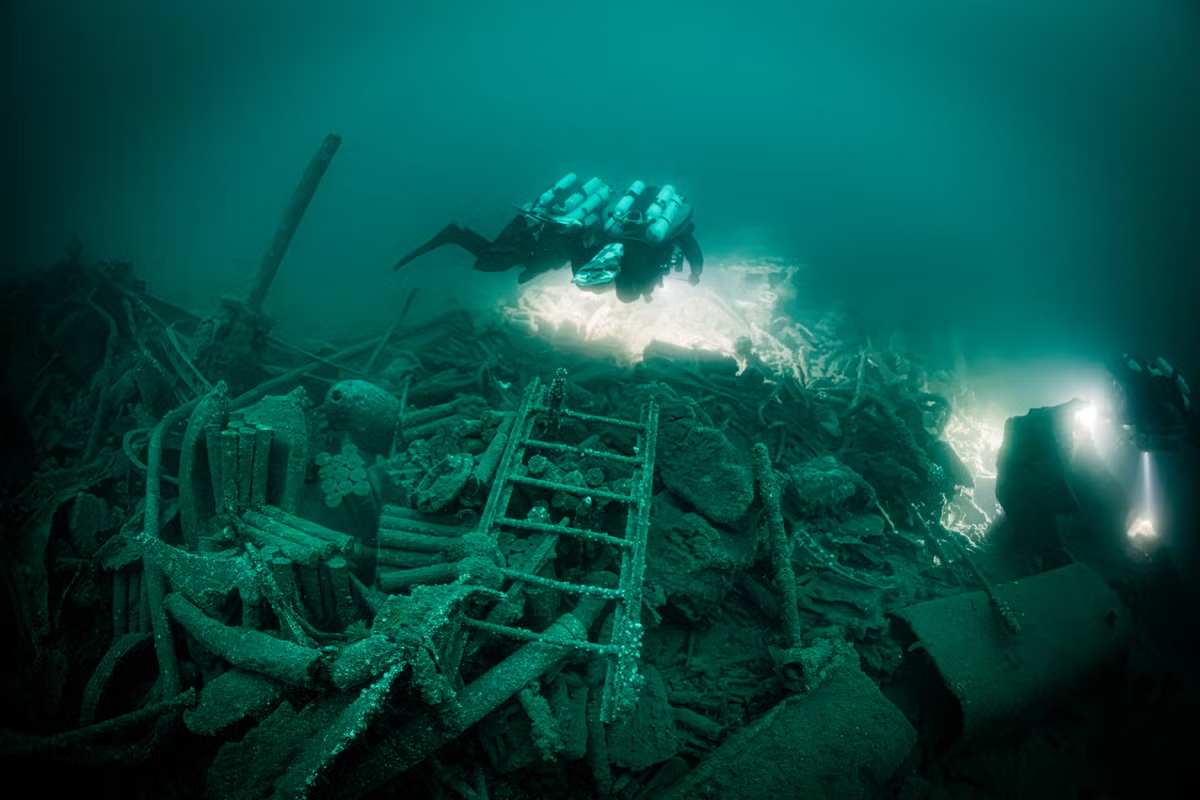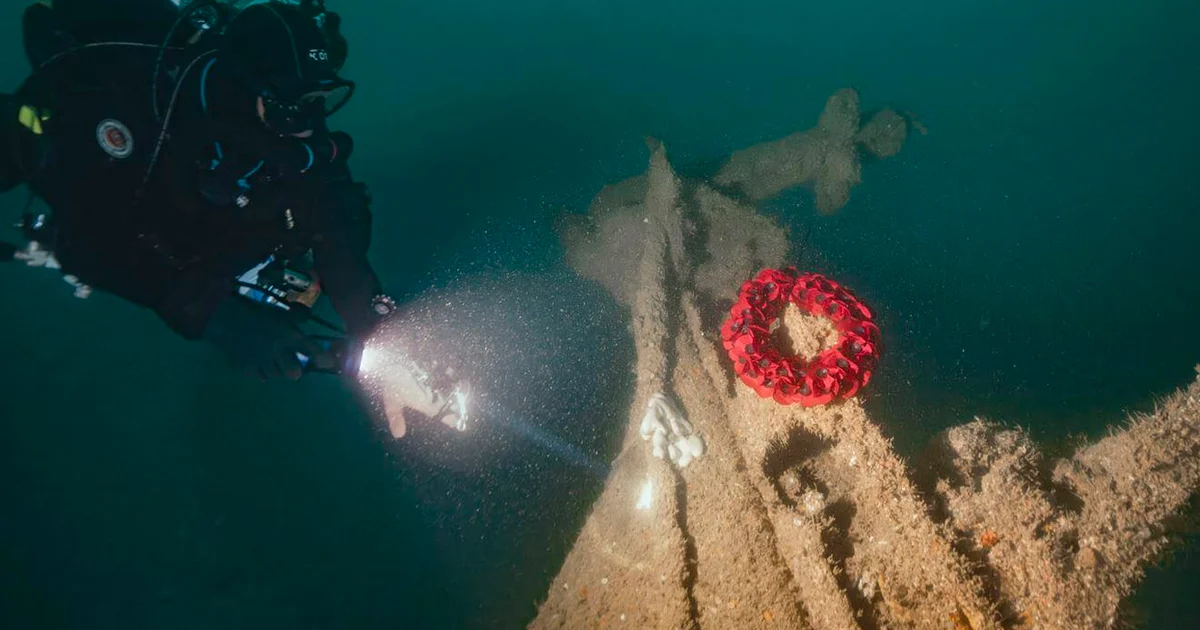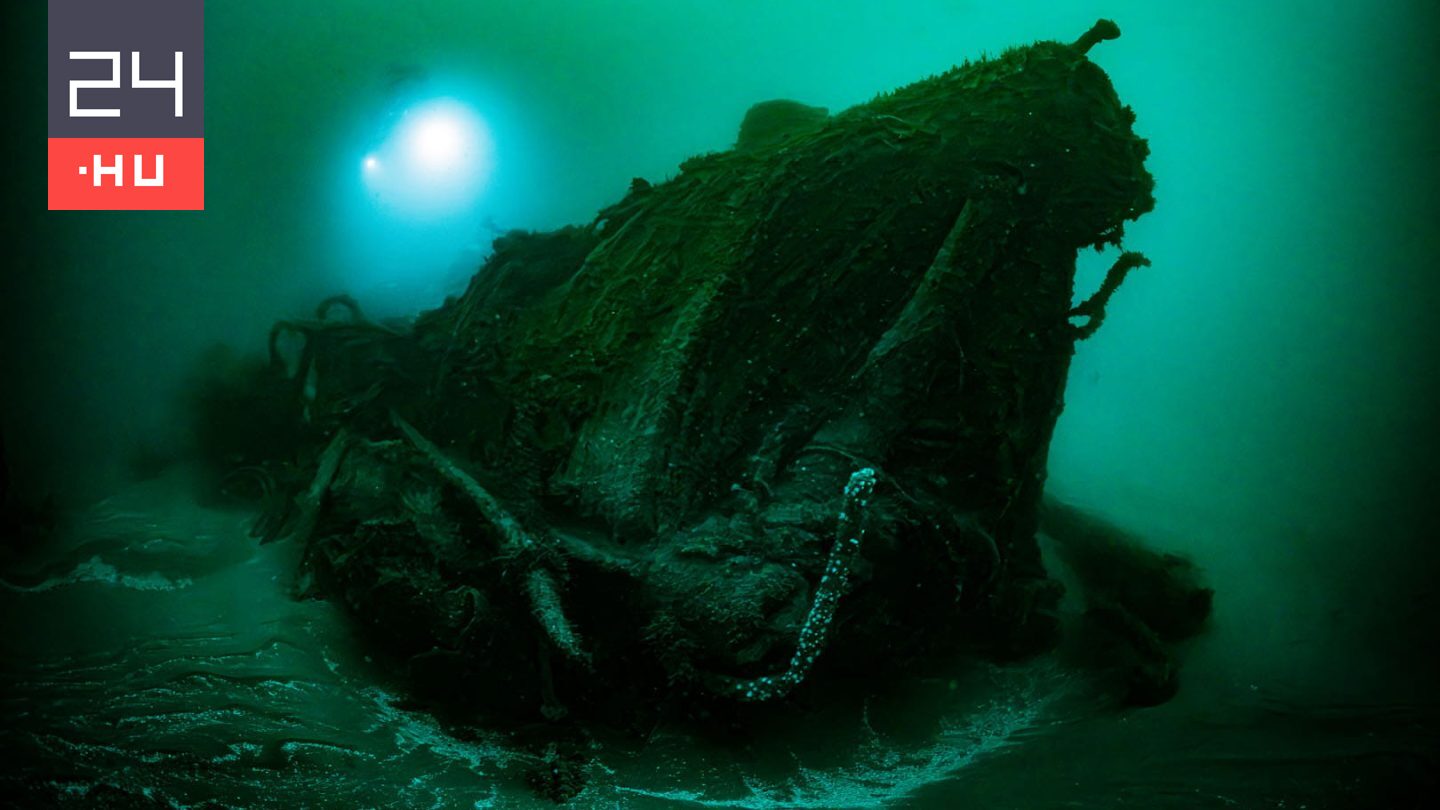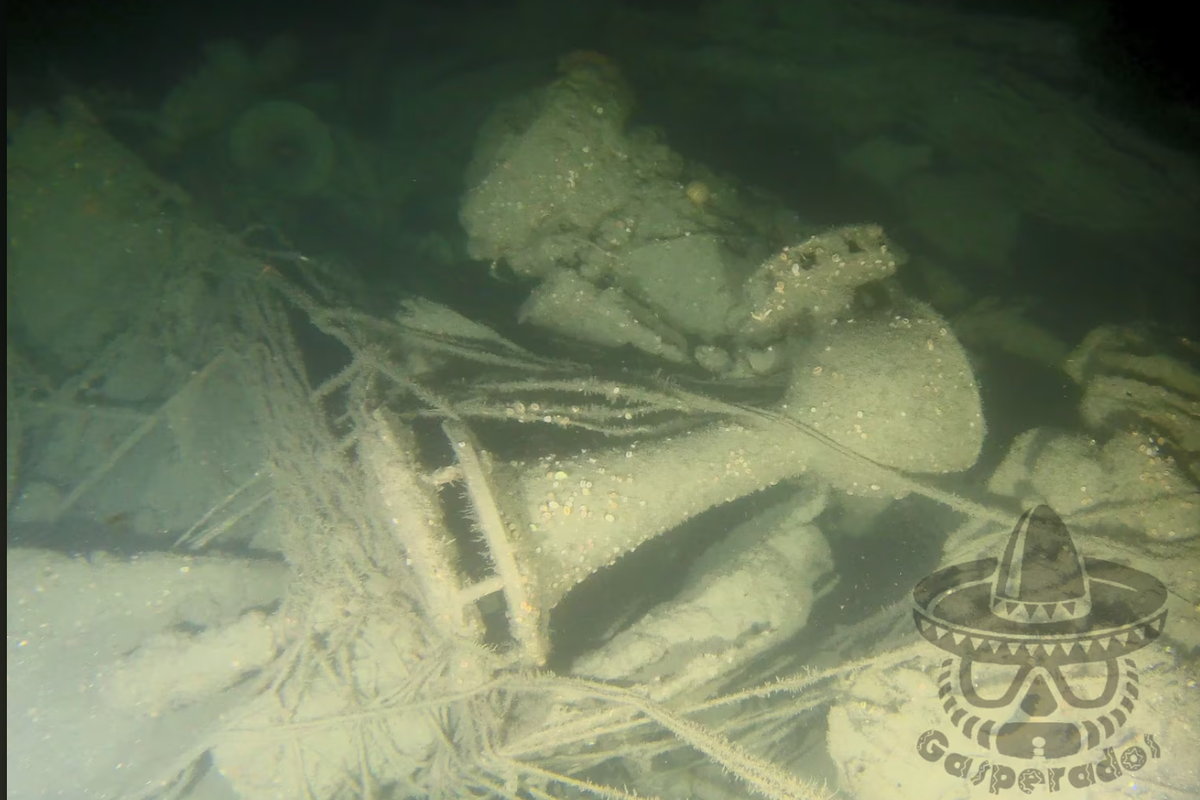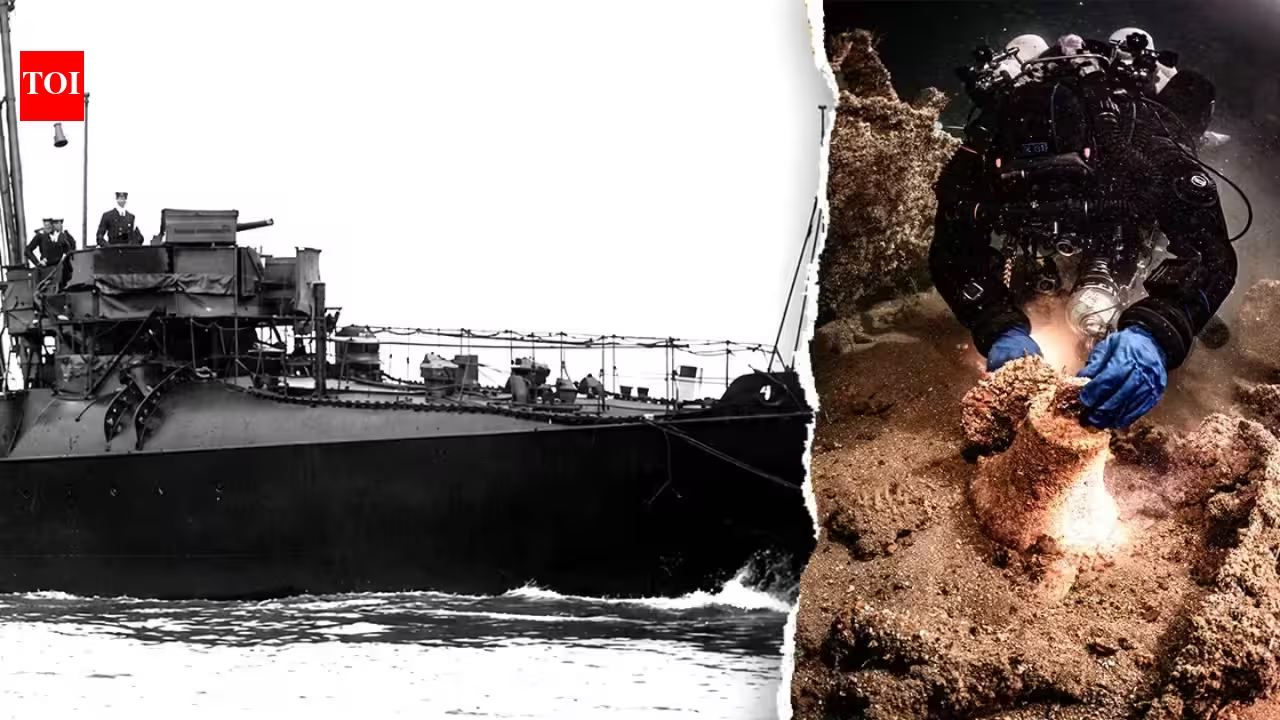
PC:Dr. Steffen G. Scholz / SWNSFor 118 years, HMS Tiger existed in the records of the Royal Navy but remained missing from the seabed where it was believed to have gone down. The warship sank off the Isle of Wight in 1908 after colliding with the 10,000-ton cruiser HMS Berwick, killing more than half of its 57 crew members. The wreck was never conclusively located, leaving its final resting place unknown for generations. That changed on August 10, when divers from ProjectXplore announced that they had found the long-lost vessel beneath the waves. The team had spent five years working through historical archives and other information to narrow down the search area before identifying the wreck. Images from the dive now show the rusted remains of HMS Tiger on the seabed, offering the first clear look at the warship since its fatal collision more than a century ago.HMS Tiger sank in 1908 after colliding with HMS BerwickHMS Tiger sank in 1908 after colliding with the Royal Navy cruiser HMS Berwick. Berwick weighed about 10,000 tons, and the impact left Tiger fatally damaged. The sinking came at a high human cost. HMS Tiger had a crew of 57, and more than half of those aboard died when the vessel went down. For decades afterwards, the wreck's exact position remained uncertain, despite the historical record documenting the accident.That uncertainty turned the ship into a long-running maritime mystery. The vessel was known to have gone down in the waters around the Isle of Wight, but knowing the general area was not enough to find a wreck that had spent more than a century underwater.ProjectXplore spent five years searching for the lost HMS Tiger wreckThe breakthrough came after ProjectXplore spent five years examining archival material and assembling information that could narrow down where HMS Tiger had disappeared. According to the New York Post, the dive group used historical records and other data to build a clearer picture of the wreck's possible location. The painstaking process eventually led the team to the site where the remains were found.ProjectXplore announced the discovery on August 10. Photographs from the expedition show divers moving around the remains of the ship on the seabed, where much of the structure has been reduced to a corroded and twisted wreck.The discovery was not simply a matter of finding an unidentified underwater object. The team was able to connect the wreck with HMS Tiger, resolving a question that had remained unanswered since the early 20th century.Divers reveal rust-covered remains of the long-lost HMS Tiger wreckImages taken during the dive show sections of the former Royal Navy vessel still recognisable beneath the water. Rust covers much of the exposed metal, while marine growth has formed across the wreck.One photograph shows a corroded metal fitting marked “2 POUNDER RM”, while other images capture parts of the ship's structure resting on the seabed. The divers also documented the wreck from several angles, creating a record of the site after its long period beneath the waves.The expedition carried a commemorative element as well. Diver Ricardo Constantino placed a wreath on the wreck's tiller in memory of those who died when HMS Tiger sank.ProjectXplore organisers Leo Fielding and Dan McMullen described the opportunity to research, identify and document the wreck as a privilege and said they hoped the work would help preserve the story of HMS Tiger and the people associated with it.Proposed UK law could give newly discovered military shipwrecks stronger protectionThe timing of the discovery is significant for another reason. The British government is proposing stronger legal protections for military shipwrecks through its Armed Forces Bill.Under the proposed changes, military wrecks could receive protection from the moment they are discovered, rather than only after a separate designation process. Objects could not simply be removed from newly identified sites without permission.The report quoted Armed Forces Minister Louise Sandher-Jones as saying the measures are intended to protect nationally significant wrecks and give greater dignity to sailors who lost their lives.Divers would still be able to visit protected sites under a “look but don’t touch” approach. That distinction matters for wrecks such as HMS Tiger, where exploration can help establish what remains without turning the site into a source of recovered artefacts.Divers uncover centuries-old shipwrecks in British waters after years underwaterThe discovery is part of a wider run of shipwreck investigations around British waters. Historic vessels continue to emerge from archives and underwater searches, sometimes after centuries have passed since they disappeared.Last summer, divers documented the wreck of the British warship Northumberland off Kent. The vessel sank during the Great Storm of 1703 and had remained underwater for more than three centuries.Earlier this year, storms also exposed the remains of a 17th-century merchant vessel on a beach in south-western England. The wreck has been linked to The Fame, a merchant ship believed to have sunk in 1631.HMS Tiger is much younger than those vessels, but its story had its own unresolved gap. The collision that sank the warship was known. The deaths were recorded. What was missing was the wreck itself. After 118 years, that final piece has now been located.
In 1908, HMS Tiger sank off the Isle of Wight after a collision; 118 years later, divers finally found its wreck
For 118 years, HMS Tiger existed in the records of the Royal Navy but remained missing from the seabed where it was believed to have gone down. The warship sank off the Isle of Wight in 1908 after colliding with the 10,000-ton cruiser HMS Berwick, killing more than half of its 57 crew members.
853 words~4 min read