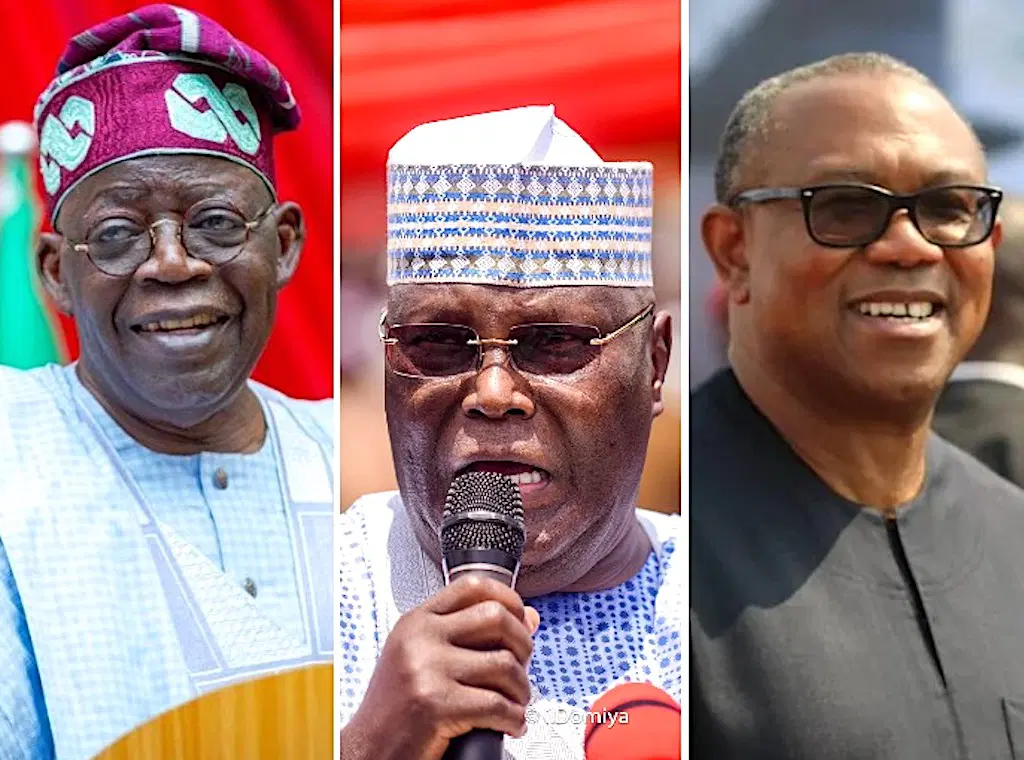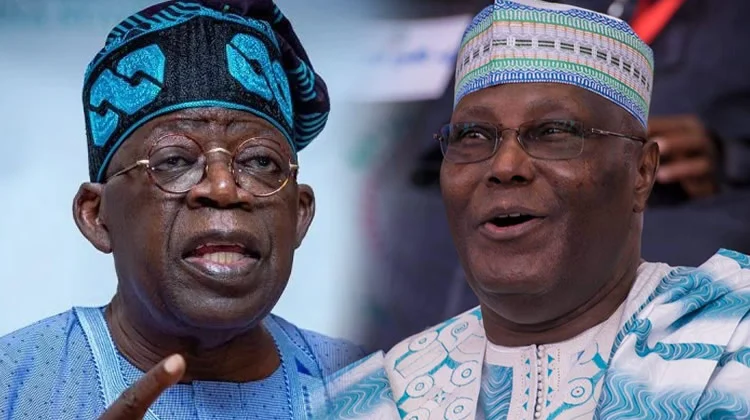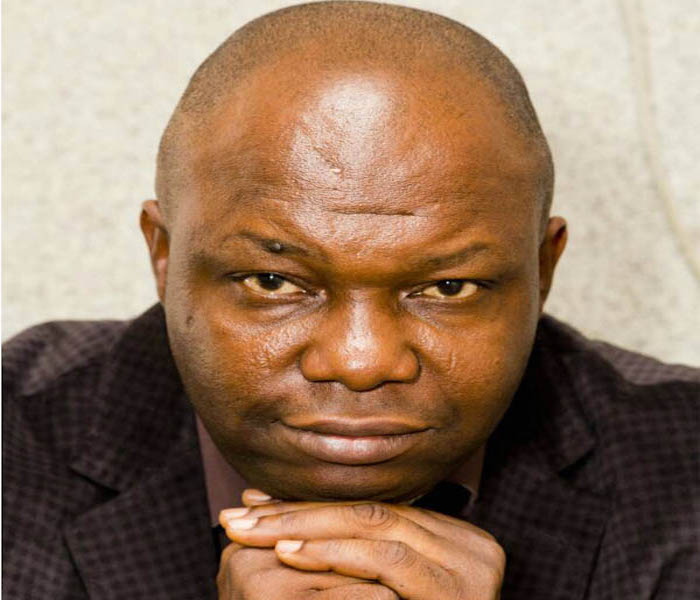
The 2027 election campaigns promise a reactivation of the First, Second, Third, and Fourth Republics’ campaigns of acrimony and disturbing rhetoric. It will be a replica of a dog-eat-dog battle among Nigerian politicians. It brings to mind image of birds violently uprooting each other’s feathers.
“Who went to Togo, drank alcohol, and grabbed a woman? / He grabbed herbuttocks / She said, ‘Stop it, old man!’ / He said, ‘Wait, listen, I’m the President of Nigeria!’ / The President of Nigeria, who absconds with the nation’s money… / But now NPN nominates him / They even give him a title / To hell with you, niggardly ones! / Our leaders are whiskey drunkards / We’ve had enough of you / Our whiskey leader, we say to you, Allah is sufficient for us!”
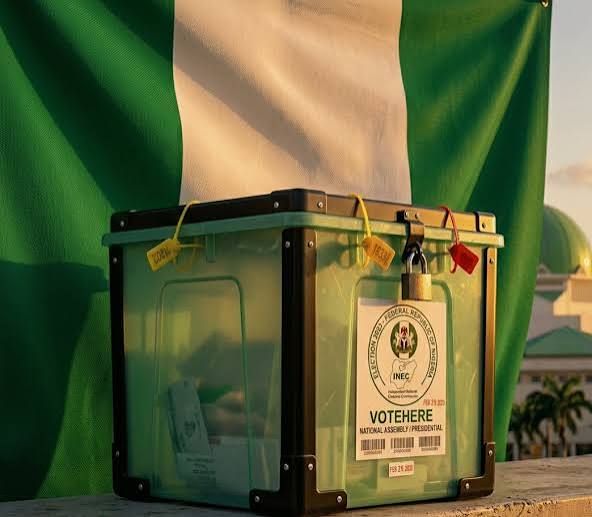
Last Wednesday, in compliance with the Electoral Act, INEC literally removed the chains from the necks of Nigeria’s political tigers. The rituals of dangerous rhetoric, propaganda, fake promises, word coinages, and acrimony that we call political campaigns officially began.
Political campaigning is an essential element of democracy. All over the world, candidates persuade voters to cast their votes for them and their parties, using the platform to canvass policies. In his 1974 book, Popular Images of Politics, Dan Nimmo notes that politics is drama – a submission resulting from direct investigation of political phenomena. William Miles, borrowing a leaf from him in The Rally As Ritual, offered an even grimmer summary of political campaigns.