The logical question the ninety‑day committee must answer before drafting a single page is simple: What is the relationship between its new mandate and the frameworks that already exist? Is the new Strategic Defence Operations Plan intended to replace NACTEST, the NCMD, and the NCTC Strategic Plan? Will it sit alongside them? Is it a military‑specific operational layer beneath the broader national security architecture? If so, how will coordination be ensured?
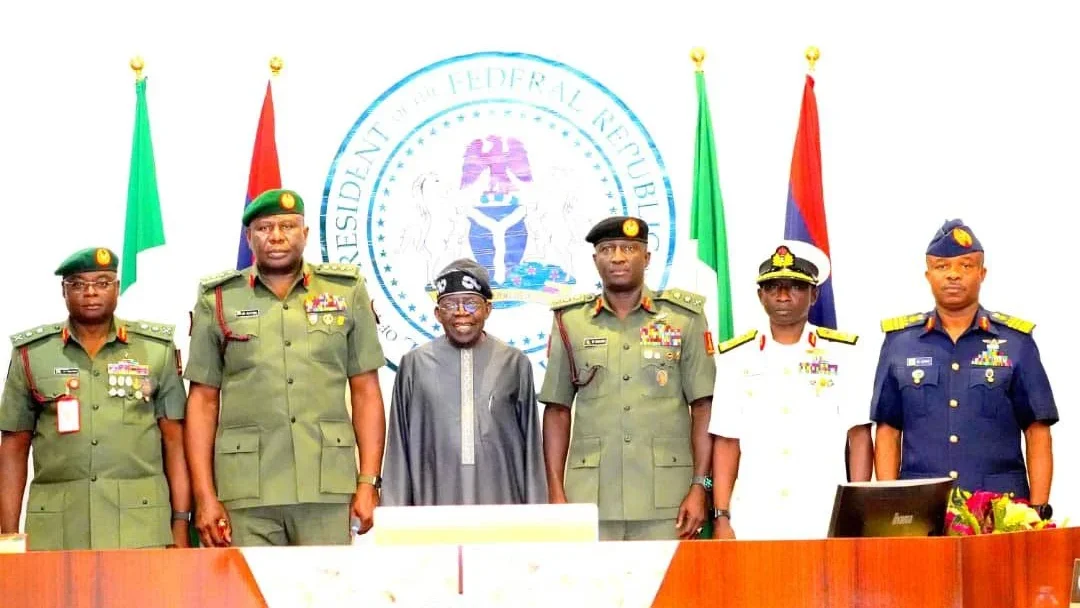
When the Presidential Spokesman, Bayo Onanuga, announced that President Bola Tinubu had constituted an eleven‑man committee to develop a National Threat Assessment and a Strategic Defence Operations Plan within ninety days, several things struck me about this – with about four months to the next general elections, even before I reached the substance of the directive.
The first was a detail so small that it might ordinarily escape notice. The release identified Major General Adeyinka A Famadewa, the President’s Special Adviser on Homeland Security, being tasked to coordinate the committee and provide secretariat support. His name appeared without the designation Rtd. — retired — after his military rank. In routine communication, such an omission may be a harmless editorial slip. But in security communication, precision is not a luxury; it is a discipline.