READ MORE: Widespread drought could spell the end for Pinot Noir See more Daily Mail on Google - save us as a Preferred SourceBy XANTHA LEATHAM, EXECUTIVE SCIENCE EDITOR Published: 16:27 BST, 23 August 2026 | Updated: 16:27 BST, 23 August 2026
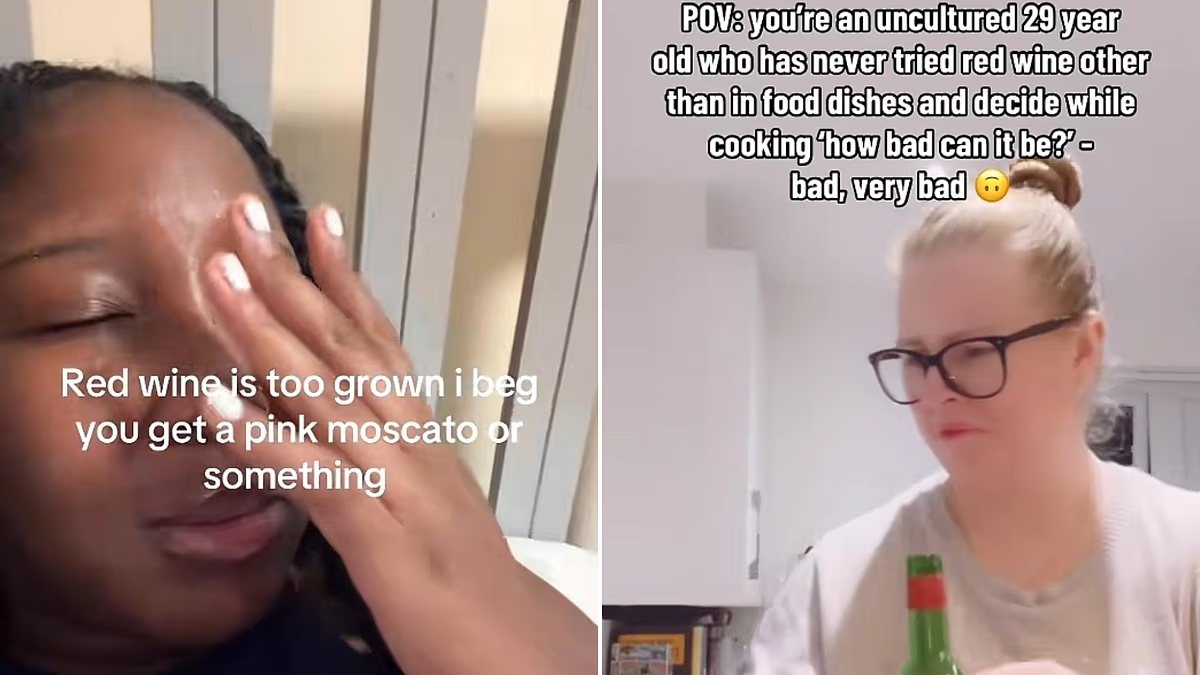
It has long been associated with sophistication, dinner parties and the occasional knowing swirl of the glass.But red wine is proving less of a hit with today’s younger drinkers, who struggle with its dry, bitter taste.Now, scientists have come up with a controversial solution – making it sweeter to appeal to Gen Z.Researchers gave 119 young adults, with an average age of 22, red wine containing different amounts of the sweetener xylitol, as well as an unaltered version.The wine they used was a 2024 vintage made from Fer Servadou, a red grape variety native to southwest France that typically produces dry, rustic wines.They found that the samples containing higher doses of xylitol were significantly more popular than the unsweetened wine.The sweeter versions were described as softer and fruitier, while the standard red wine was more likely to be considered acidic, bitter and bland.‘The wine industry is facing a global crisis with a significant decline in wine consumption,’ the team, from the University of Toulouse, wrote in the Journal of Sensory Studies.Young people have complained about the taste of red wine online. One described it as 'very, very bad' The researchers found that higher levels of sweetener resulted in a higher score for the red wine. Gen Z gave the unsweetened wine (the control, or CONT) the lowest overall score‘This decline is particularly marked for red wine and the industry is seeking innovations to increase the attractiveness of such wine.’The researchers suggest that young adults with limited wine experience may prefer sweeter, fruitier flavours than those found in the dry reds that currently dominate the market.‘The results should encourage industry research and development units to test sugar substitutes for improving market access of dry red wines,’ they added.Xylitol is already used widely in the food industry and appears in sugar-free gum, sweets, chocolates, toothpastes and mouthwashes.However, the researchers warned that the use of sweeteners in wine could face regulatory restrictions in some countries.Previous data has revealed that while older generations prefer traditional, prestigious wines such as those from Bordeaux, younger drinkers favour sweet or sparkling styles as well as lower-alcohol alternatives.Earlier this month, it emerged that some of the world's finest Pinot Noir could be at risk as climate change brings more frequent droughts. Researchers pinpointed a potential tipping point at which the popular red wine grape begins to struggle under severe water stress.This could spell particularly bad news for growers in some of the world's most famous wine regions such as France, Spain and Italy, they warned.Pinot Noir – known for its prominent notes of cherries and red berries – is notoriously sensitive to its growing conditions, which help give the wine its distinctive character.Now, scientists have found that the grape's delicate chemistry can begin to change dramatically when vines are pushed too far by a lack of water.It comes as an intense drought grips large parts of the world, as prolonged periods of heat and scarce rainfall put increasing pressure on water supplies and agriculture.WHAT'S THE BEST WAY TO TASTE WINE PROPERLY?When it comes to drinking wine, there a few things that can make all the difference.Australian wine-connoisseur Caitlyn Rees offers how to taste wines like an expertStep 1: SeeBefore you even down that first sip, you first need to take a look at the wine in your glass.'See refers to the appearance of the wine. This is where you can check the clarity, intensity and colour.'If the wine is hazy it could be faulty but more likely unfiltered.'Step 2: SwirlYou've probably seen wine drinkers swirl the wine in their glass before taking a sip.The reason is to allow the wine to 'open up' and reveal the maximum amount of aroma, flavour and intensity.'Swirling releases the aroma particles that make the next step, smell, more helpful.'Step 3: SmellSmelling wine serves two purposes. It helps you detect scents and flavours as well as providing a way to check for faults.Step 4: Sip and savourOnce you've taken in the full aroma of the wine, now it's time to sip.Step 5: Spit or swallowUnless the wine you are tasting has gone bad, the final step in the process of wine tasting is to swallow.The trick though isn't to gulp it down.It's more to let it drift down over the back of your tongue to allow your taste buds to pick up the intensity of the flavour.