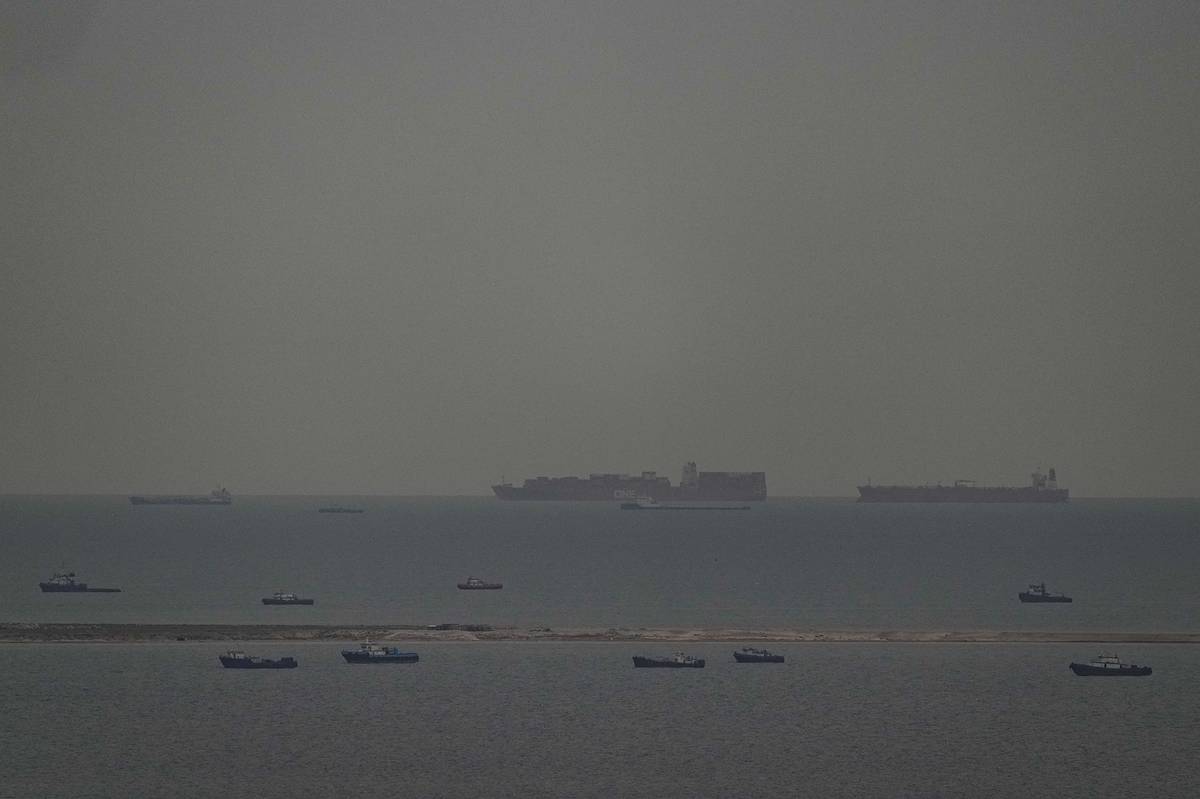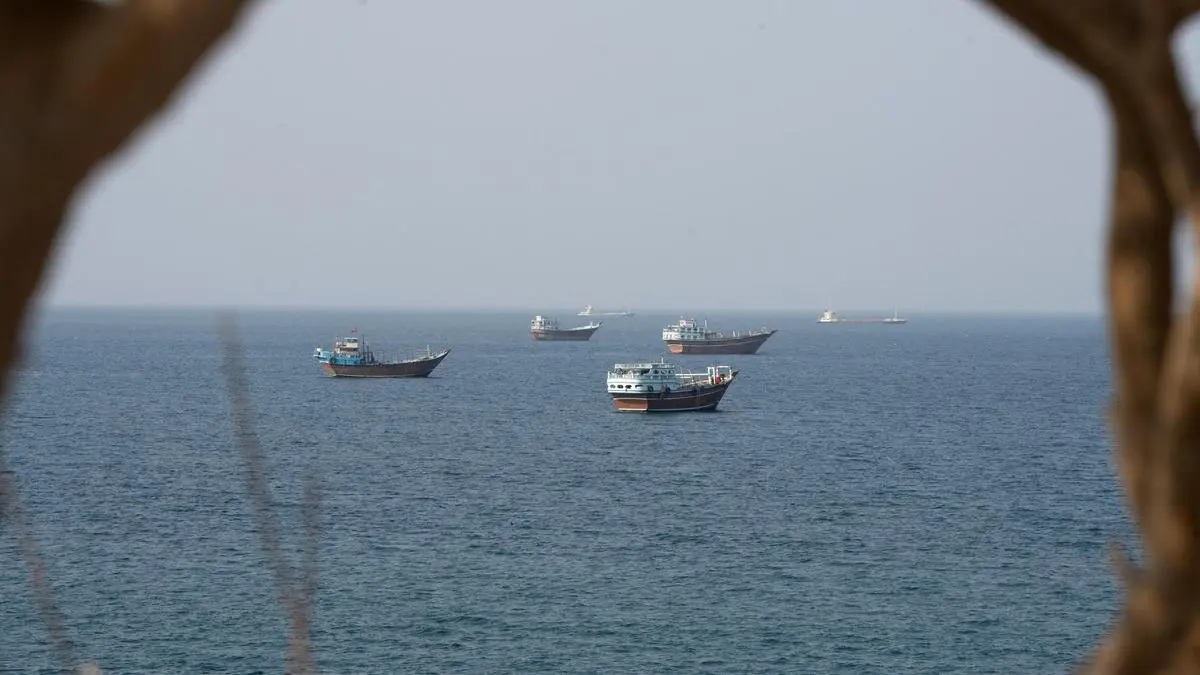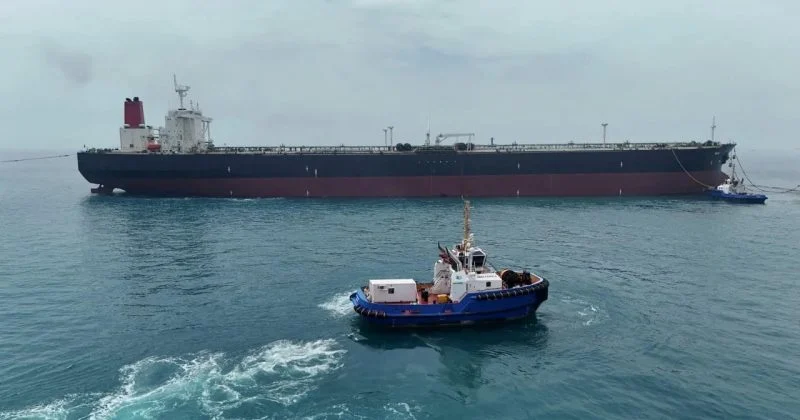
Iran’s National Security and Foreign Policy Committee approved a bill on March 31 that would impose formal transit fees on commercial ships passing through the Strait of Hormuz. The legislation still needs full parliamentary approval, but Iranian authorities have already been collecting payments on an ad hoc basis since early March, reportedly demanding as much as $2 million per vessel.
Iranian officials are framing the charges as “service fees” rather than tolls. The distinction matters diplomatically, but for shipowners writing seven-figure checks, the label is mostly cosmetic.
The chokepoint that moves the world’s oil
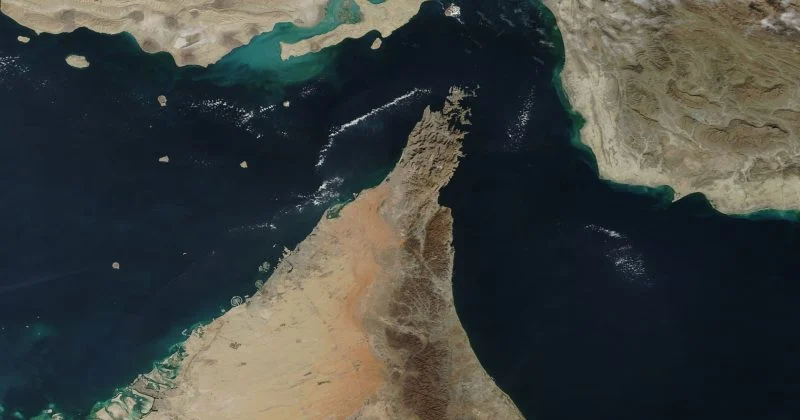
The Strait of Hormuz is the narrow waterway between Iran and the Arabian Peninsula, and roughly 20% of the world’s seaborne crude oil and natural gas passes through it.
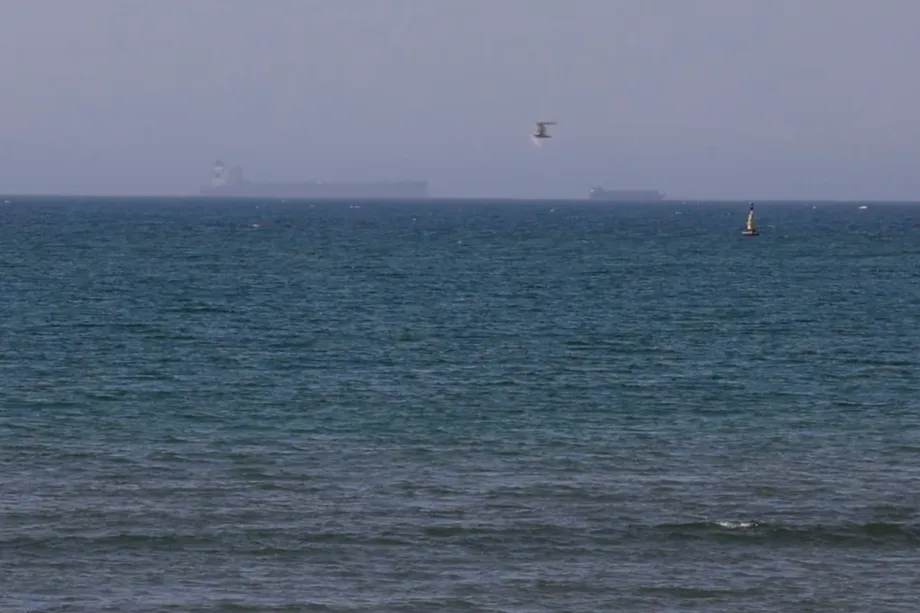
That traffic has cratered since conflict broke out on February 28, 2026. Shipping volumes through the strait dropped by approximately 95% after hostilities began. The near-total collapse in vessel movements gave Iran both the leverage and the urgency to formalize revenue extraction from the ships that do still transit.