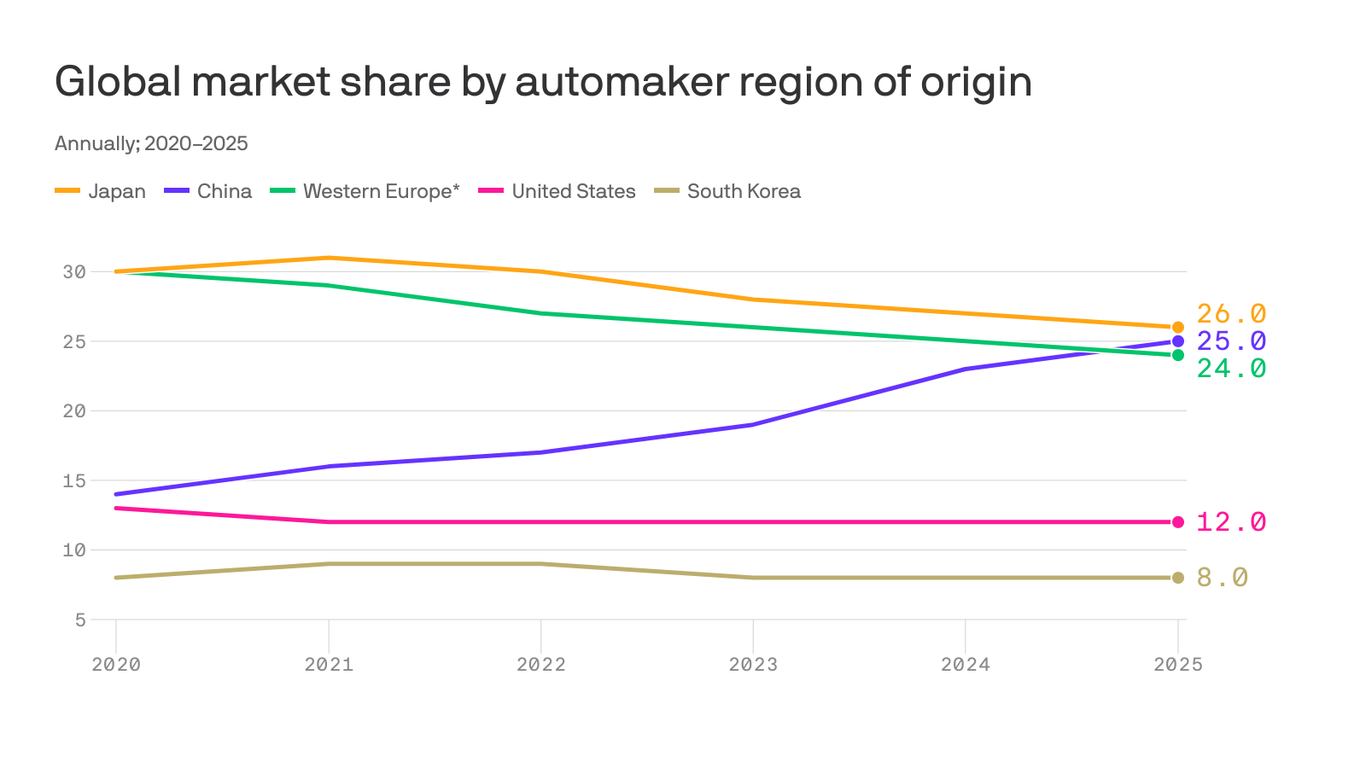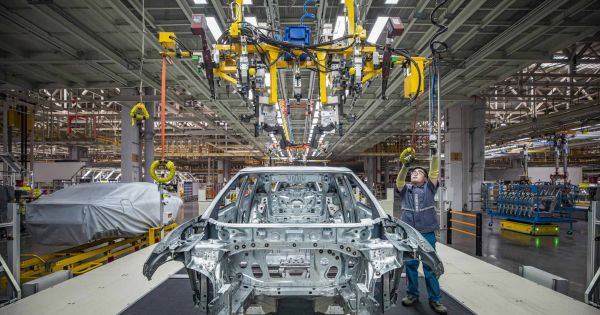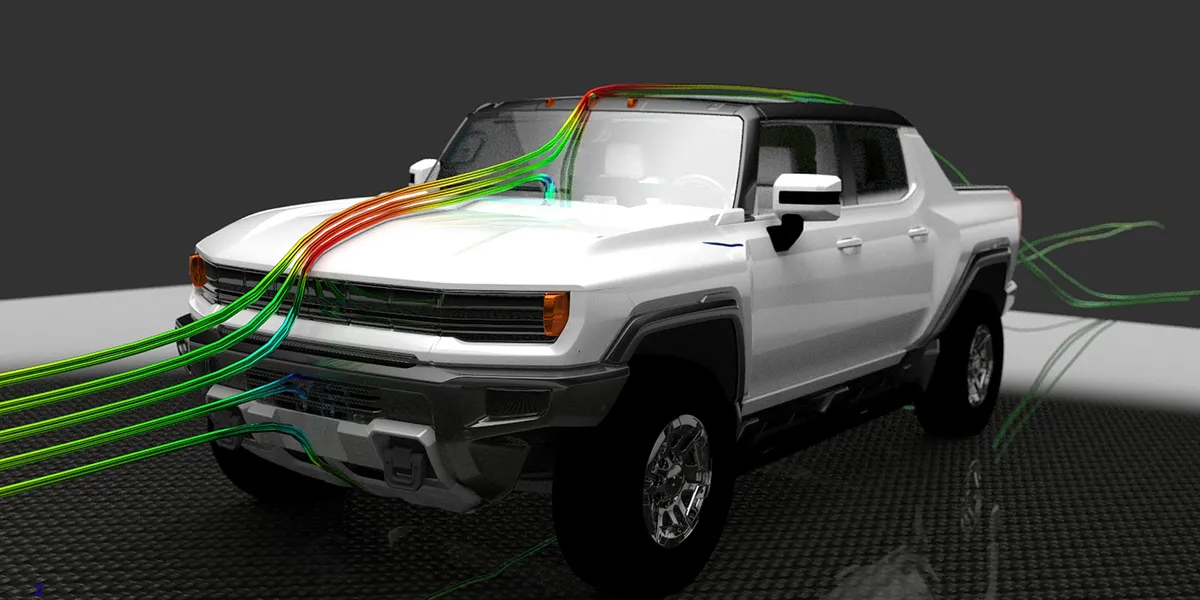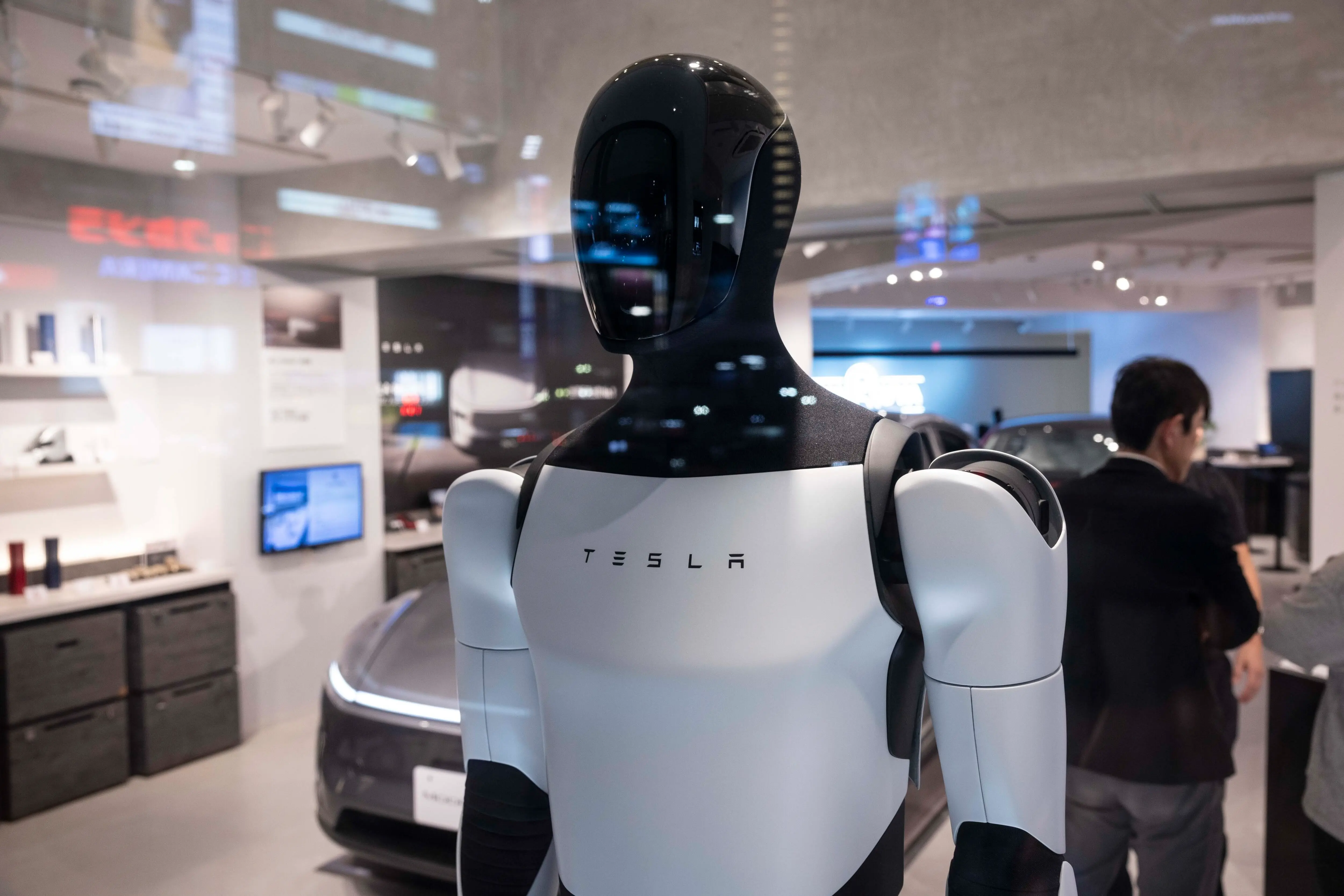
While automakers historically built vehicles around hardware and relatively fragmented software systems, the rise of software-defined vehicles could fundamentally reshape how cars are developed, manufactured and updated—potentially leaving legacy players scrambling to catch up with newer entrants.
In a conversation with Benzinga, Jörn Buss, who is a Partner for Automotive & Manufactured Goods at consulting firm Arthur D. Little, the analyst spoke at length about how the evolution of SDVs could be a double-edged sword for the automotive industry.
Transitioning From the Legacy Players Could Be Difficult
Buss, when asked about the differences in approach to vehicle manufacturing between a legacy player like Ford Motor Co. (NYSE:F) or General Motors Co. (NYSE:GM) and a newer entrant like Tesla Inc. (NASDAQ:TSLA) or some of the Chinese manufacturers, said that the legacy players were used to a certain way of doing things.
"They have a history, they have a legacy," and a certain way of doing things, Buss said, adding that the companies had "built themselves the best possible product to be competitive in the market within their ecosystem of trusted suppliers and others," which we would "have to simply recognize."