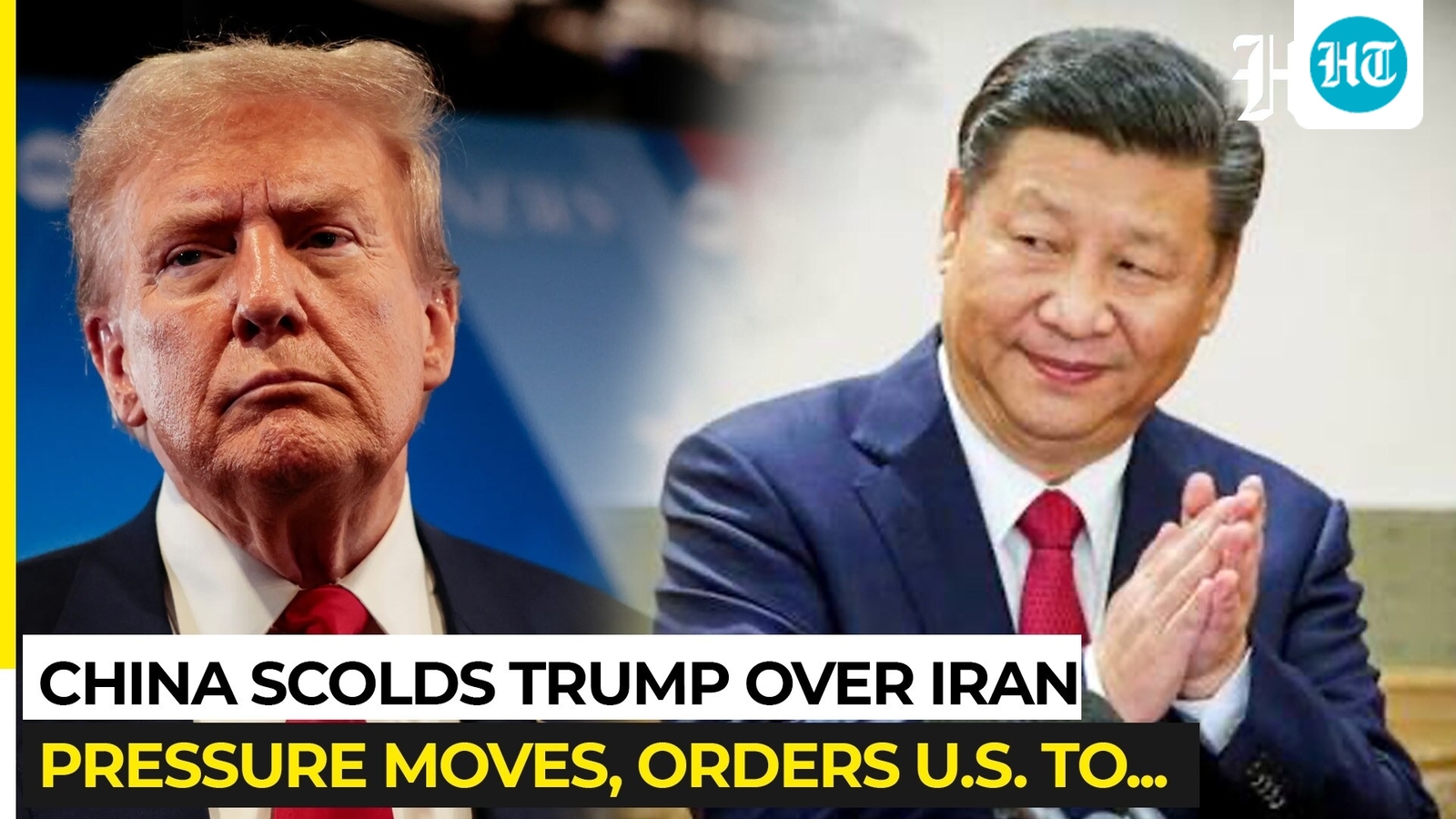
Six months into a conflict that has reshaped Middle East dynamics, the United States is doubling down on economic pressure against Iran. China is pushing back, loudly.
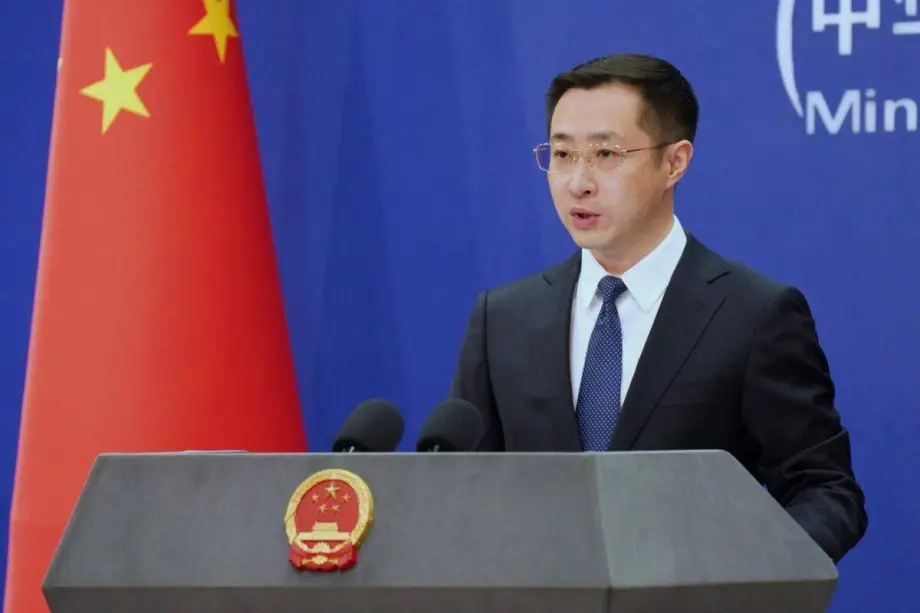
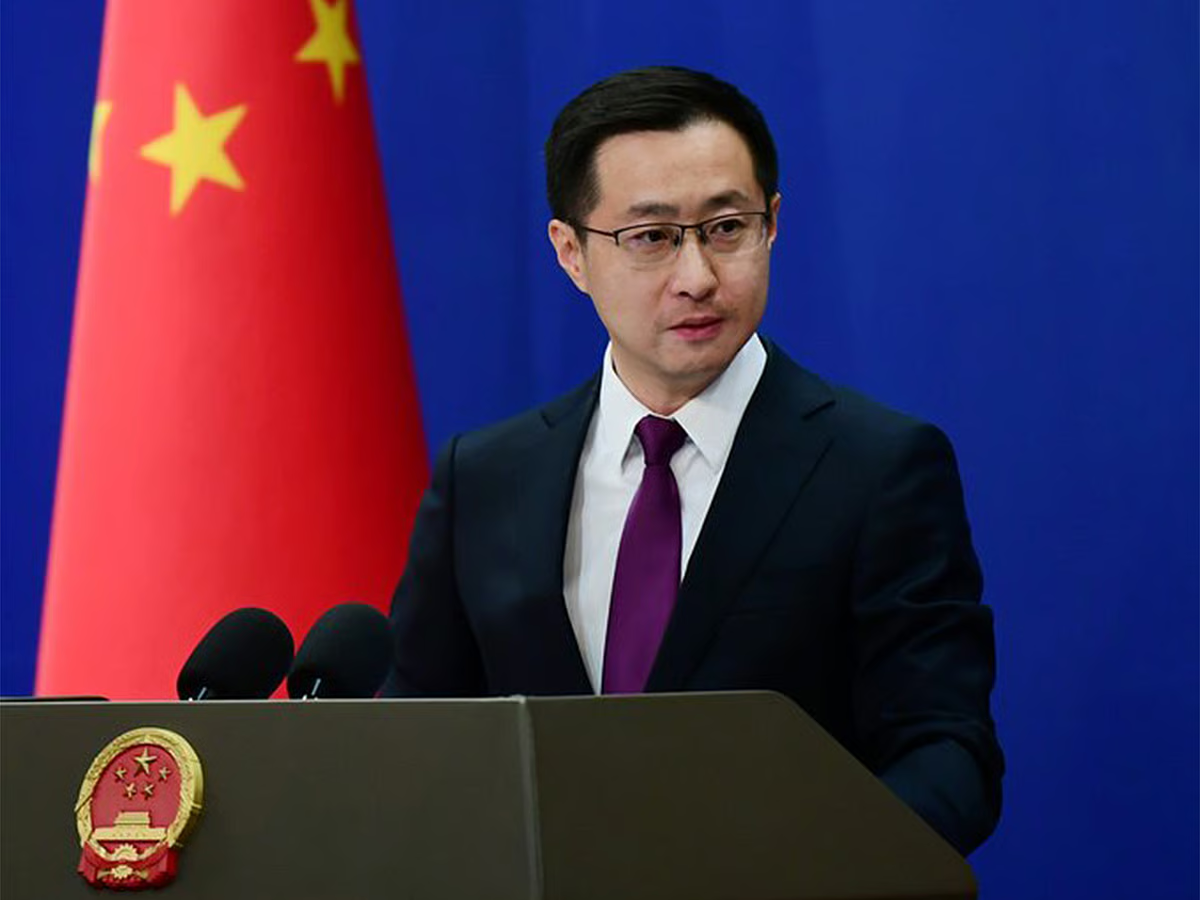
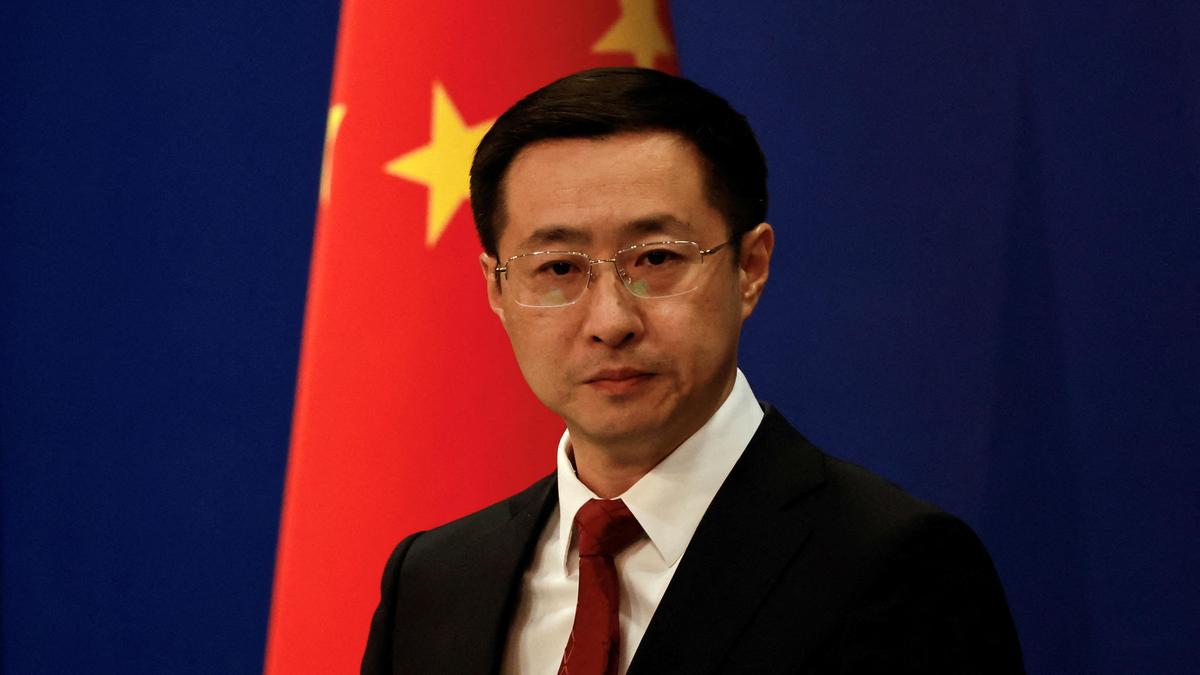
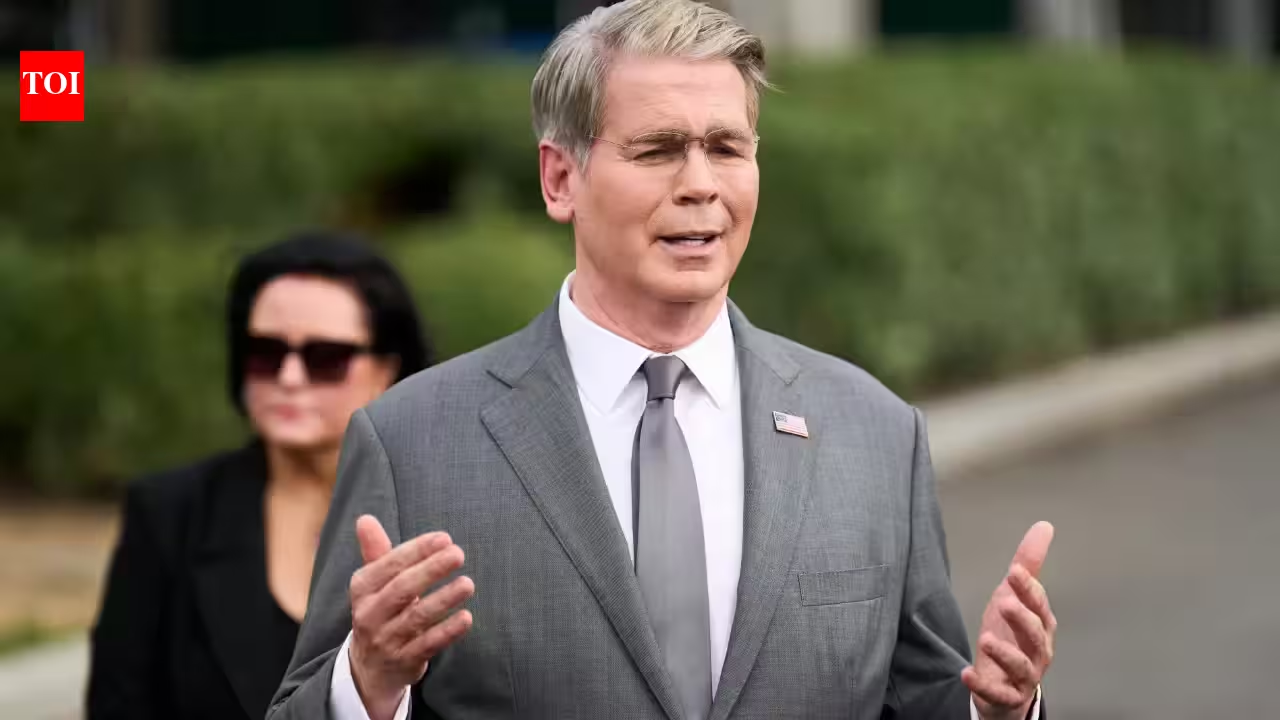
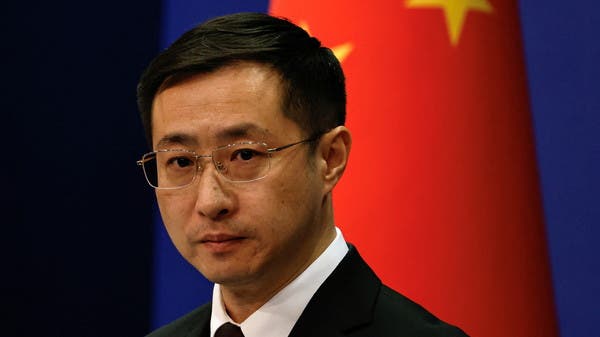
On August 21, 2026, Lin Jian, spokesperson for China’s Foreign Ministry, delivered a pointed message: sanctions and military force will not end the US-Iran war. Constructive dialogue will. The statement came one day after US Treasury Secretary Scott Bessent announced what he described as the toughest sanctions on Iran in history, a package designed to squeeze Tehran’s economy and escalate pressure on its government.
A war six months in, and still no clear exit
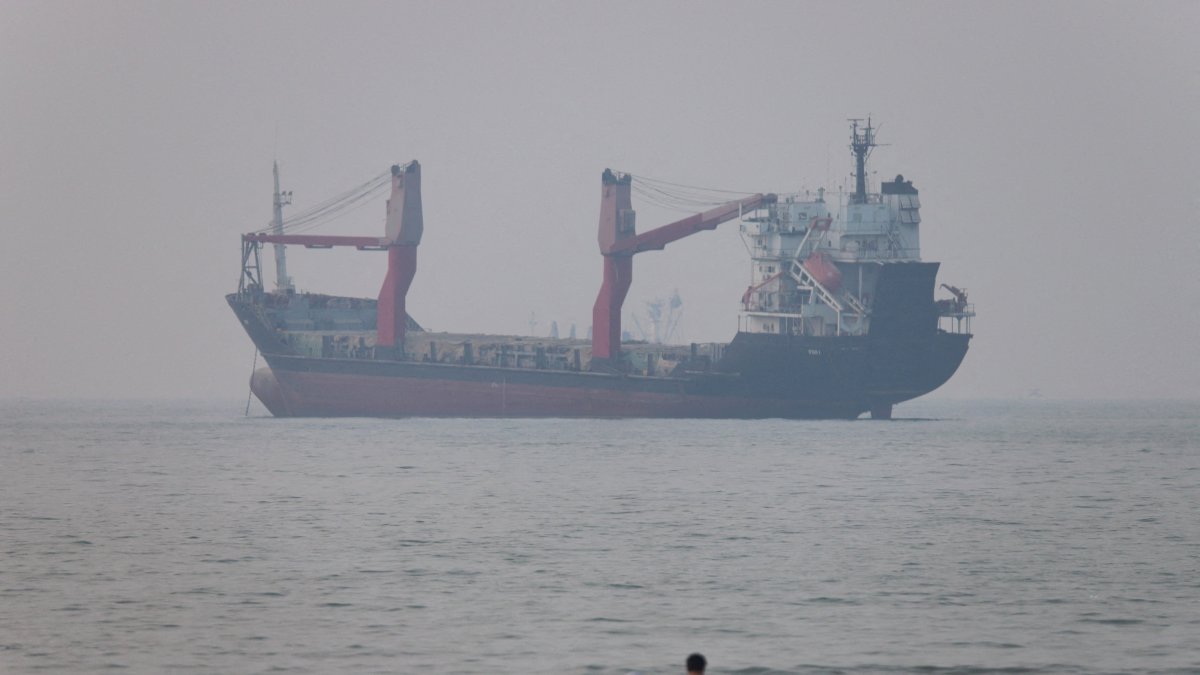
The US-Iran conflict, marked by American and Israeli strikes on Iranian targets alongside Iranian retaliatory measures, has now stretched past the half-year mark. A ceasefire brokered in April 2026 with Pakistani assistance offered a brief pause, but that fragile agreement has faced serious strain. Tensions over the Strait of Hormuz, one of the world’s most critical oil transit chokepoints, have complicated any path toward a stable peace.
Bessent’s August 20 announcement signals that the US is not softening its position. The new sanctions package, framed as a tool to force behavioral change in Tehran, represents an escalation in the economic campaign running parallel to the military one.