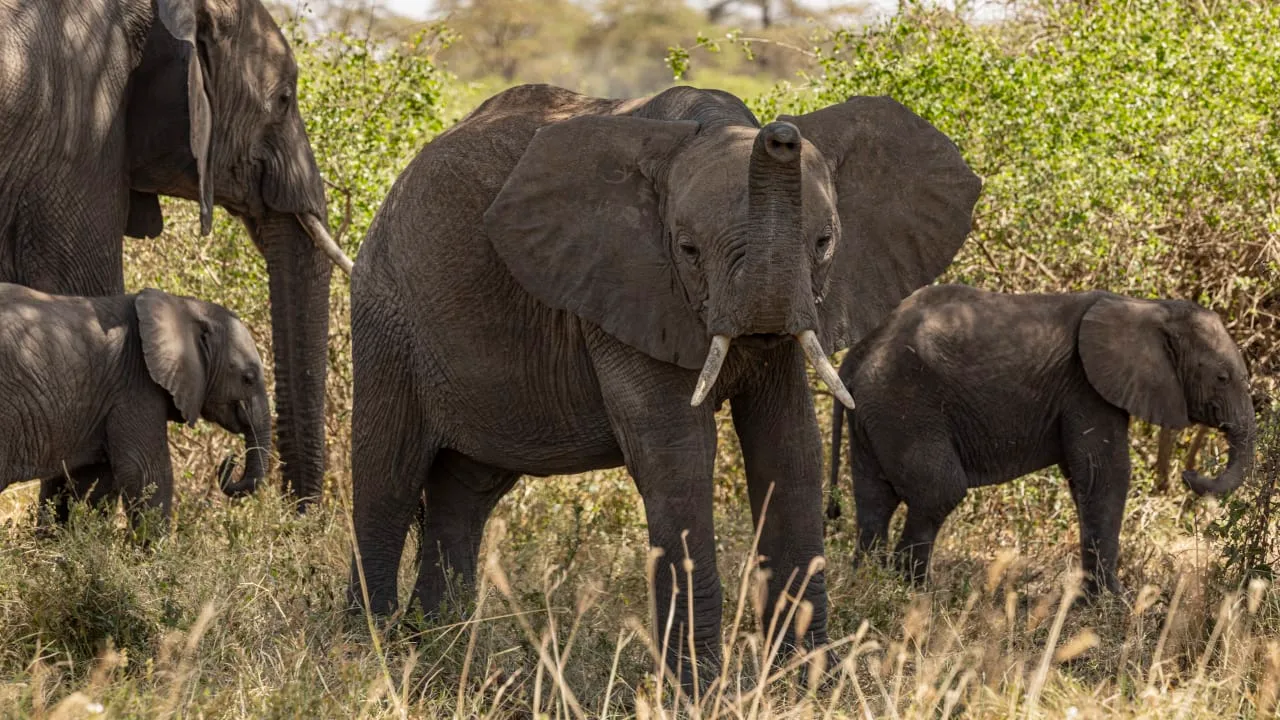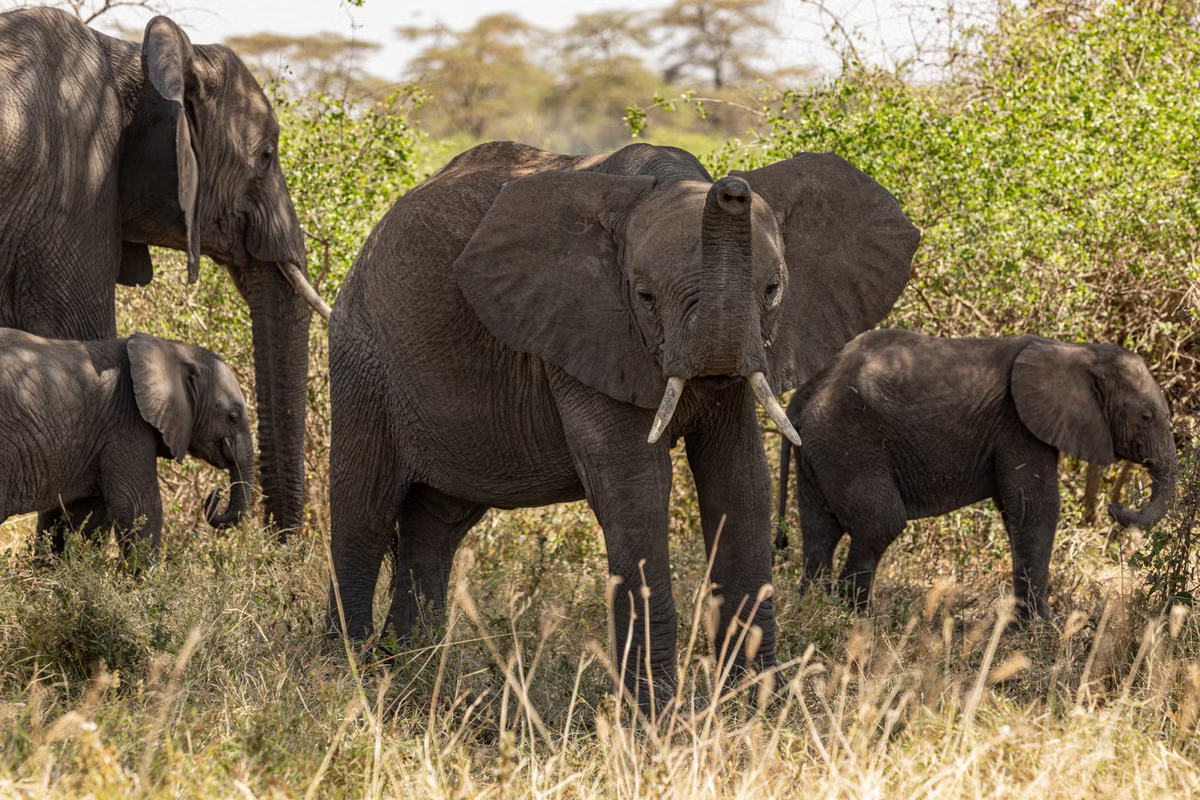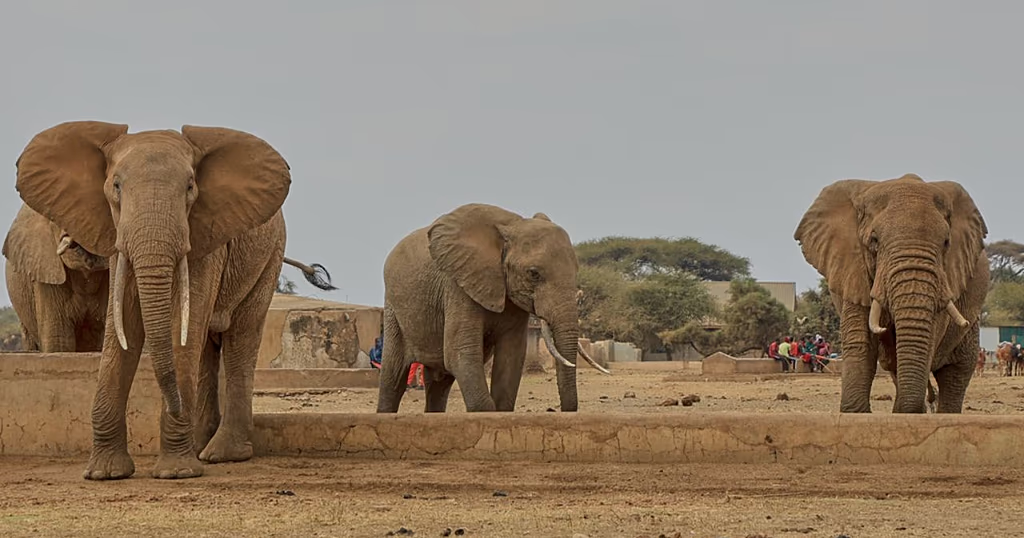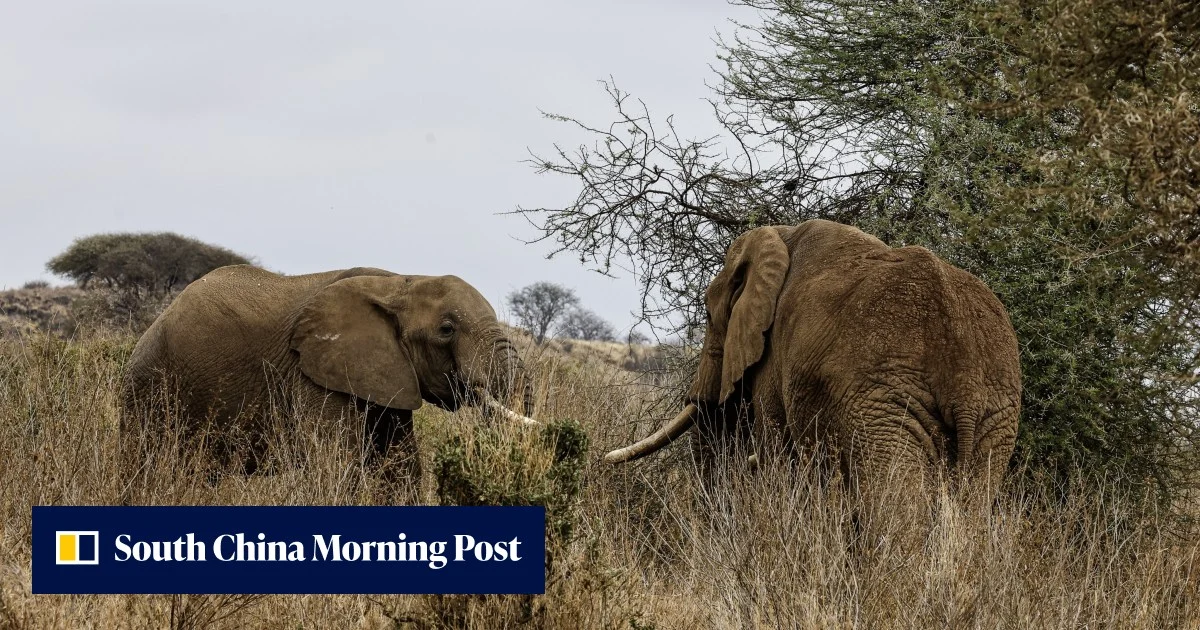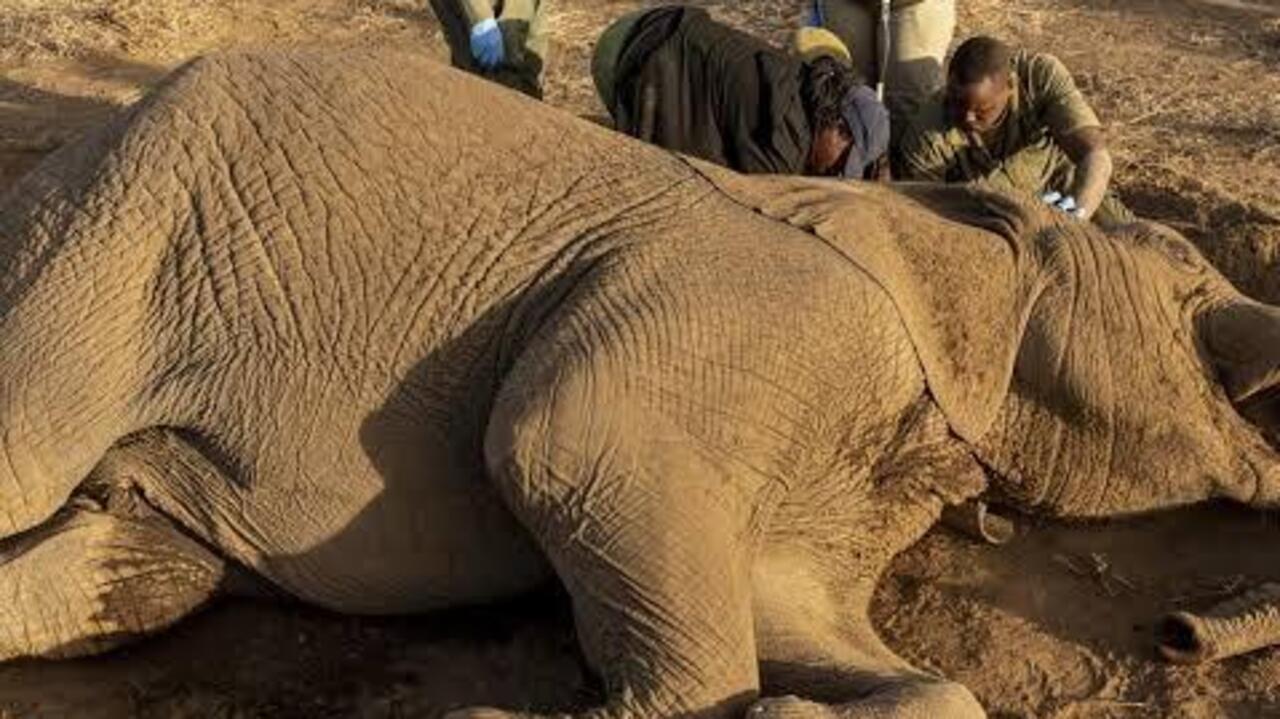
Conservationists and Maasai communities are calling for urgent answers as paralysis-like symptoms spread among elephants in Kenya's Amboseli National Park, with competing theories emerging over what is causing their deaths.
Issued on: 23/08/2026 - 15:13
3 min Reading time
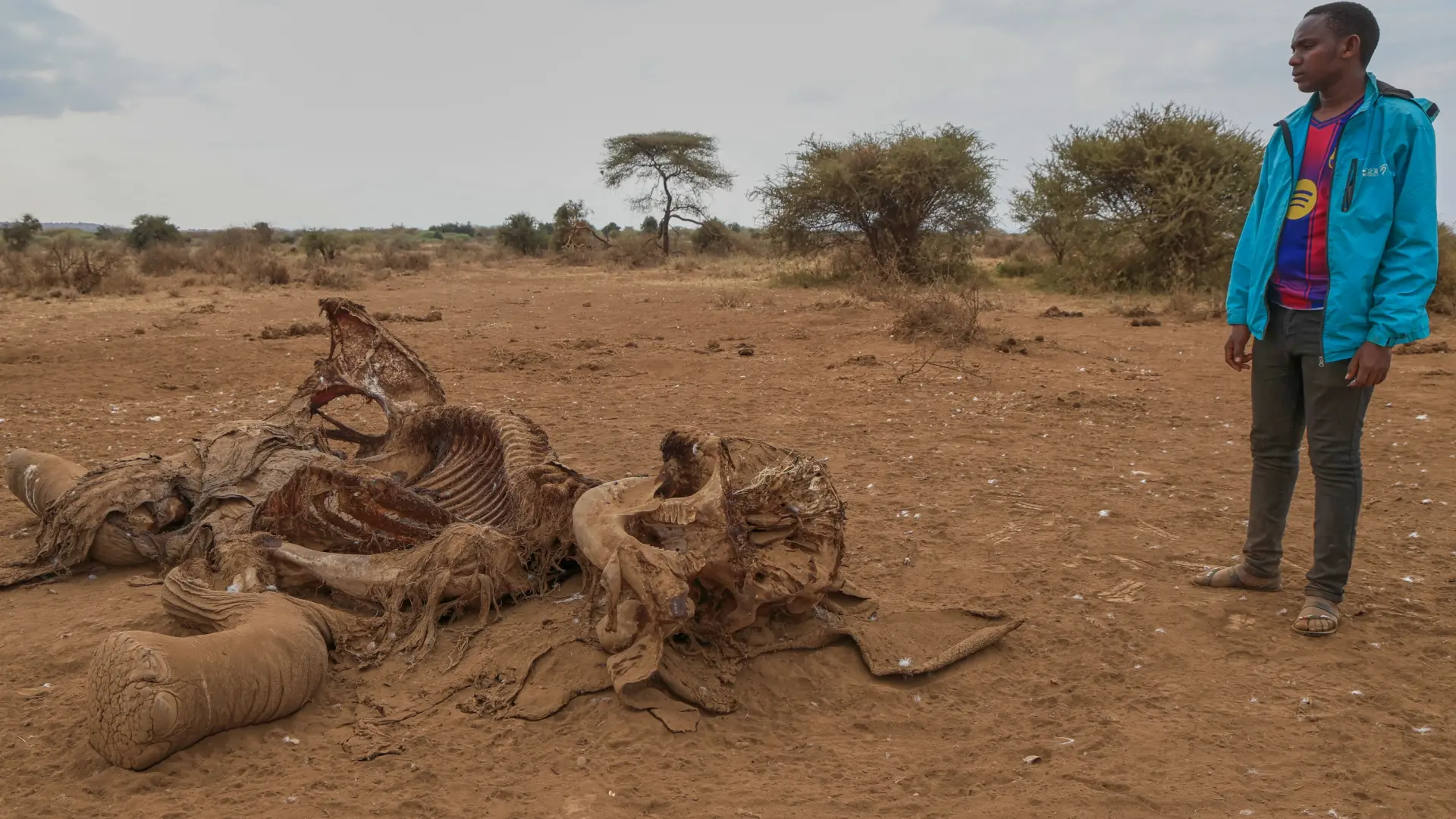
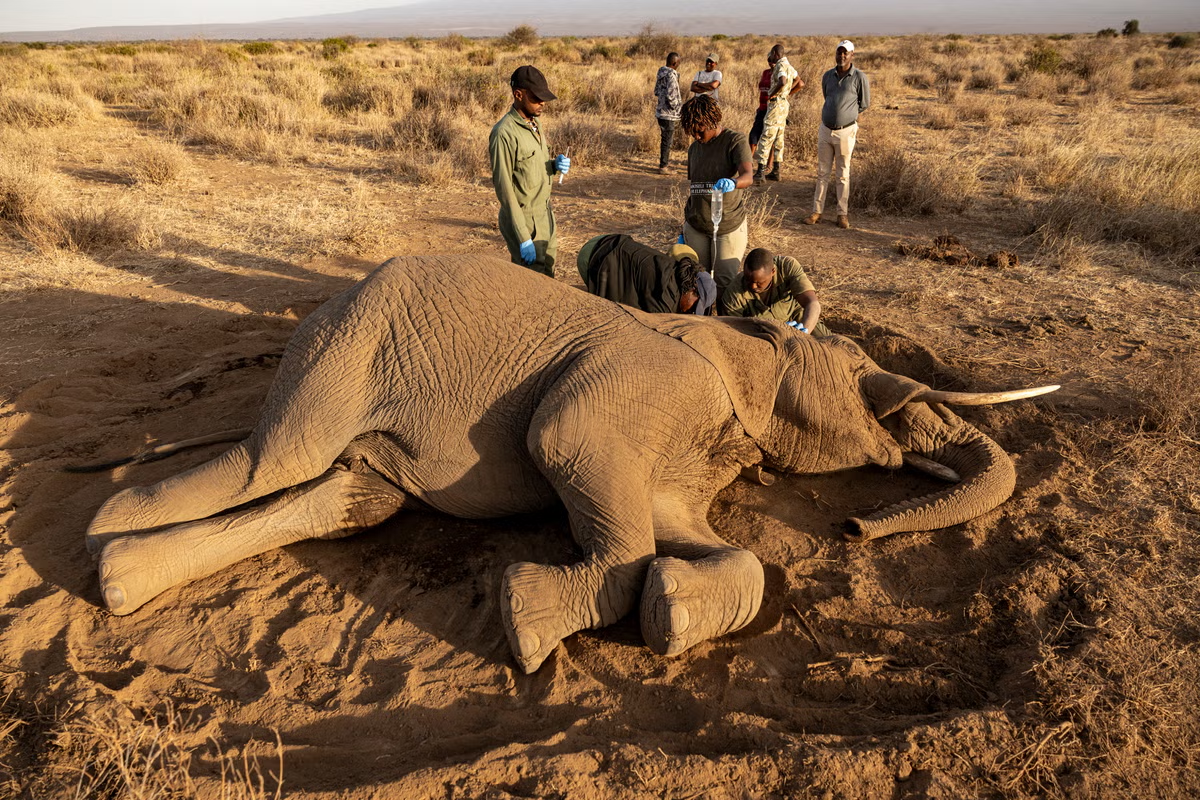
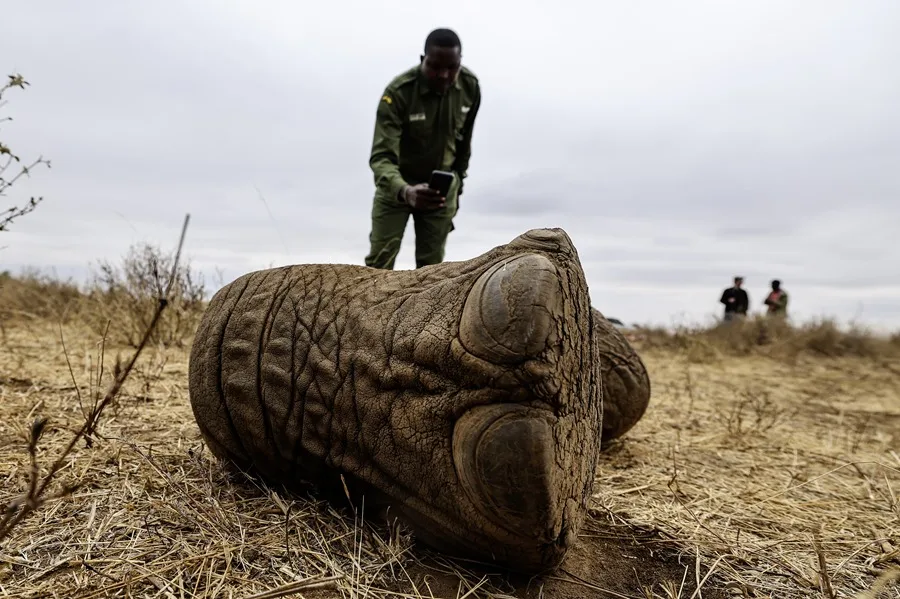
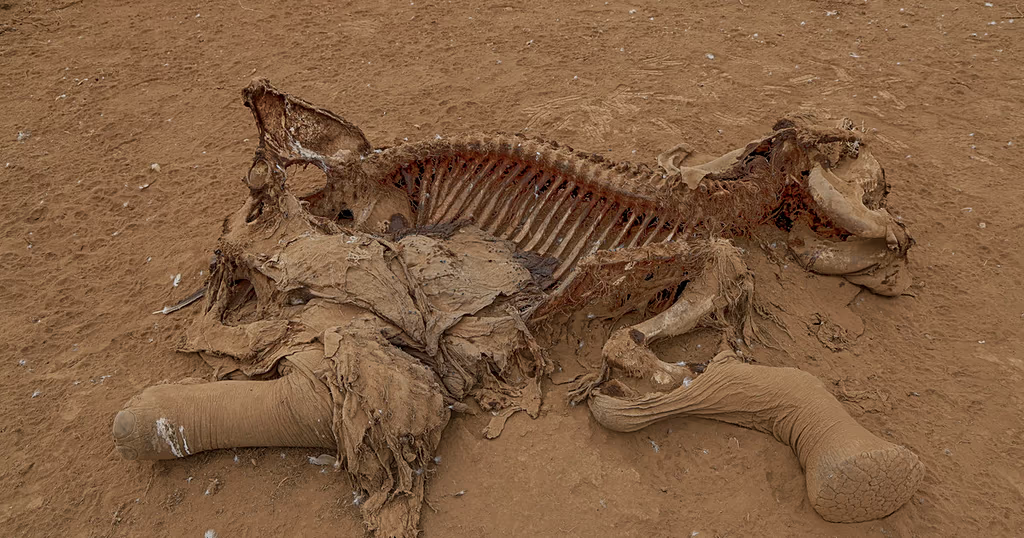
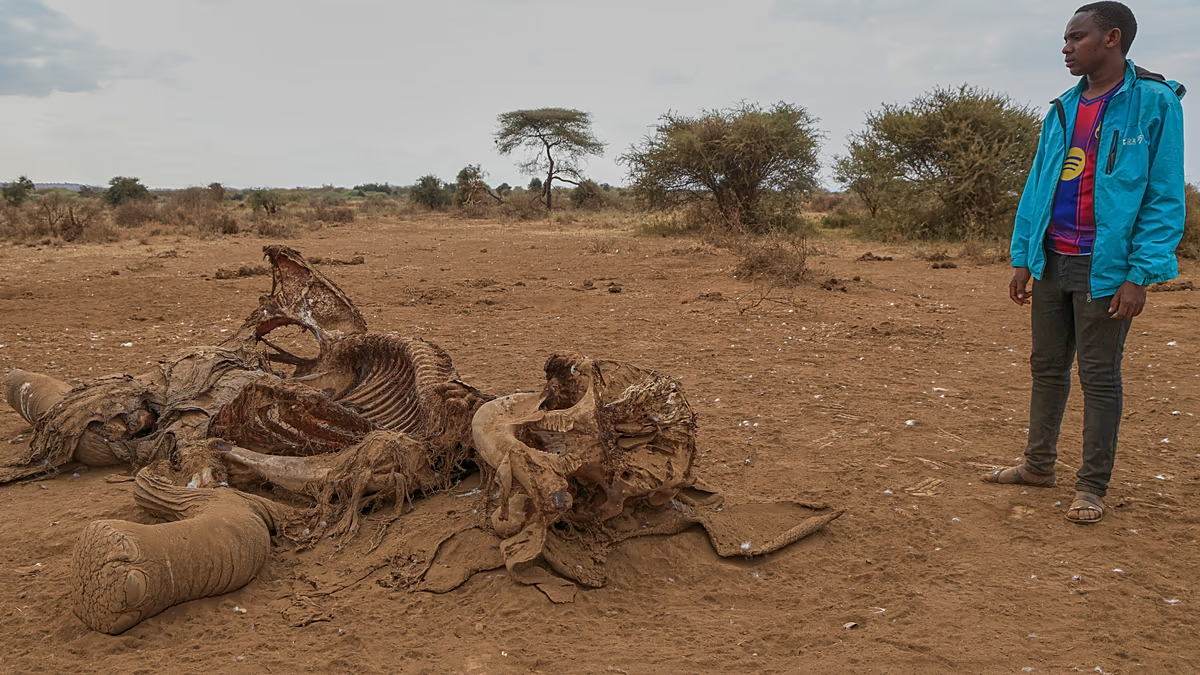
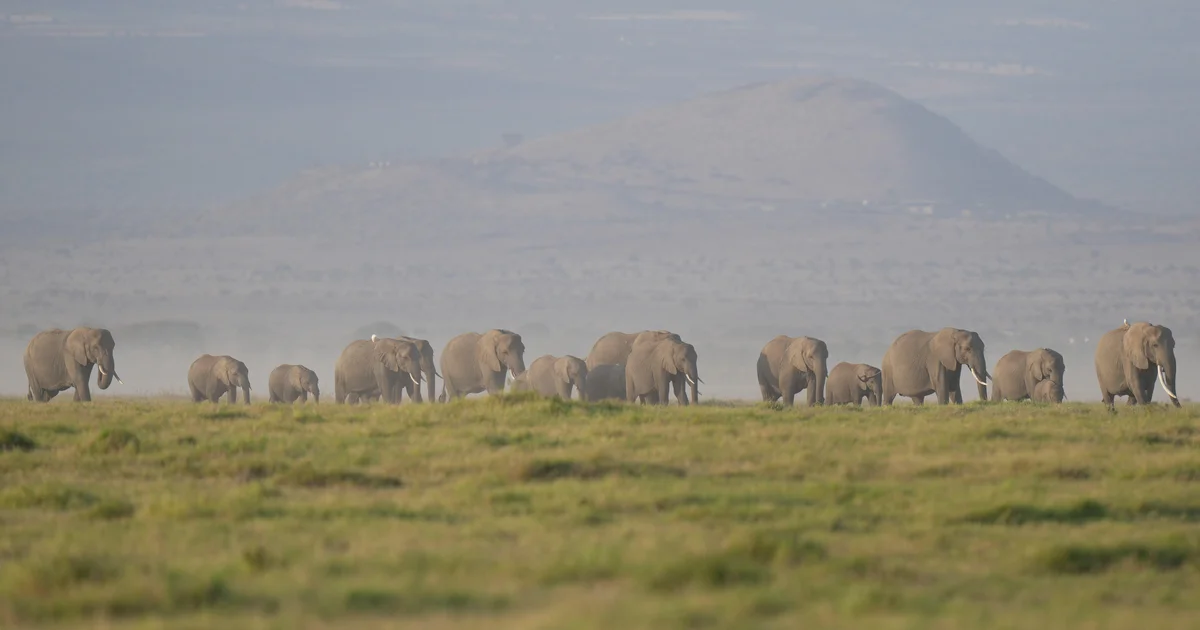
A mysterious ailment has killed at least 20 elephants in southern Kenya since June, alarming conservationists and local communities as experts struggle to determine the cause of the deaths. The latest victim was an 11-year-old male known as Genghis Khan, who was found lying on the ground in the Kitenden B reserve near Amboseli National Park, unable to stand and struggling to breathe. Veterinarians tried to revive him with a glucose injection – one of the few options available while the cause of the illness remains unknown – but he died on Tuesday after repeatedly trying and failing to get back on his feet. The deaths have affected mostly females and young males, with the animals displaying strikingly similar symptoms, including weakness and partial paralysis. The incidents are particularly sensitive in the Amboseli ecosystem, a major wildlife destination overlooked by Mount Kilimanjaro across the border in Tanzania. Its elephant herds are one of the region’s biggest tourist attractions, making their unexplained deaths a concern both for conservationists and for communities whose livelihoods depend heavily on tourism. “You would find one struggling for a day, struggling for two or even three days. Until they completely die,” said Patrick Papatiti, head of operations for the Olgulului communal lands, which include the Kitenden B reserve. The growing number of carcasses has added to concern among conservationists. At one site, the remains of a four-month-old calf lay partly eaten by hyenas and covered in flies. Elsewhere, vultures fed on the carcass of a pregnant elephant that had died close to giving birth, along with her unborn calf. Conservationists in Kenya pay tribute to the late 'super tusker' Craig Poisoning suspicions In late July, the Kenya Wildlife Service (KWS) said toxicology tests had detected high concentrations of cyanide in the elephant carcasses, raising the possibility that the animals had been poisoned by pesticides linked to nearby farms. But a number of local wildlife experts and conservationists have dismissed this theory. Papatiti, who grew up in the local Maasai community, believes the elephants are suffering from a disease rather than poisoning. He said there was “no way” cyanide could explain the pattern of deaths. One reason for the scepticism is the apparent absence of deaths among other animals who have come into contact with the carcasses. Scavengers including hyenas, vultures and insects have continued feeding on the remains without showing obvious signs of poisoning – something local observers say would be unusual if high levels of toxic chemicals were responsible.