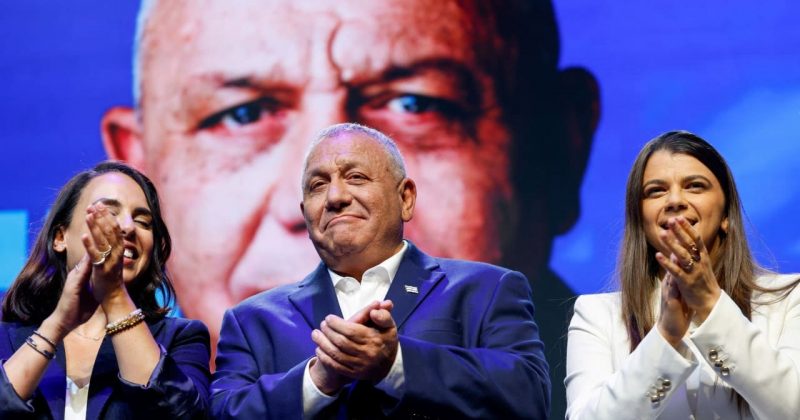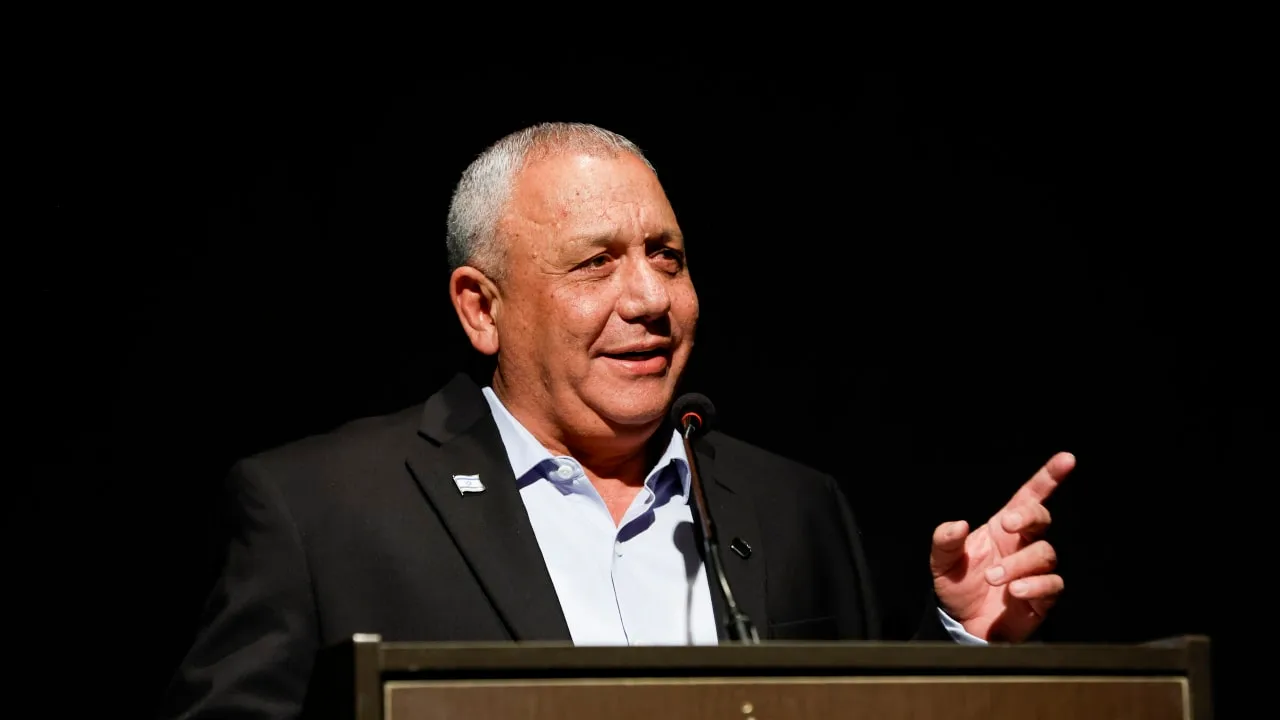
Gadi Eisenkot, leader of the centrist Yashar party and currently the frontrunner in the polls, faces a complex political dilemma ahead of the October 27 election.
The bloc he spearheads, which includes former prime minister Naftali Bennett and Yair Lapid’s joint B’Yachad faction, Avigdor Liberman’s Yisrael Beytenu, and The Democrats (the united Labor-Meretz list led by Yair Golan), is projected by most surveys to win 58 or 59 seats. That is tantalizingly close to yet still short of a 61-seat majority in the 120-member Knesset.
If the polls are right, Eisenkot would lack the seats to form a coalition backed by a parliamentary majority. His preferred move is clear: win over additional voters from the right to comfortably cross the 61-seat threshold. However, if that fails, an alternative route exists.
Israeli law does not require 61 lawmakers to swear in a government; a simple majority of those present for the vote is sufficient. A government could theoretically be established by a vote, say, of 59 to 50.
Naturally, a majority of 61 or more remains preferable, as it provides a stable legislative foundation to navigate Israel’s complex realities — particularly after Prime Minister Benjamin Netanyahu and his Likud party’s lengthy grip on power. But in recent weeks, Yashar has been quietly preparing for a contingency scenario: swearing in a government with 58 or 59 MKs. The consensus taking shape around Eisenkot is that even a fragile minority government would be preferable to Netanyahu remaining in office.