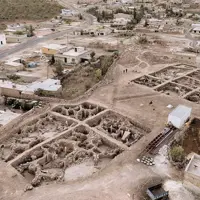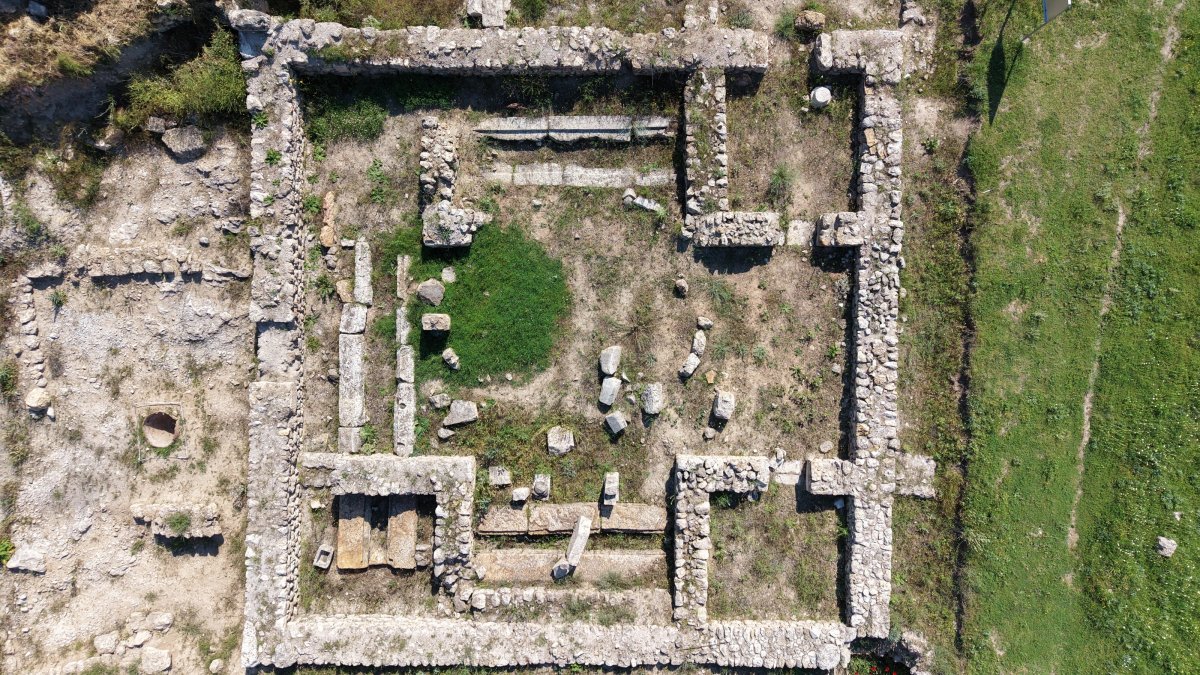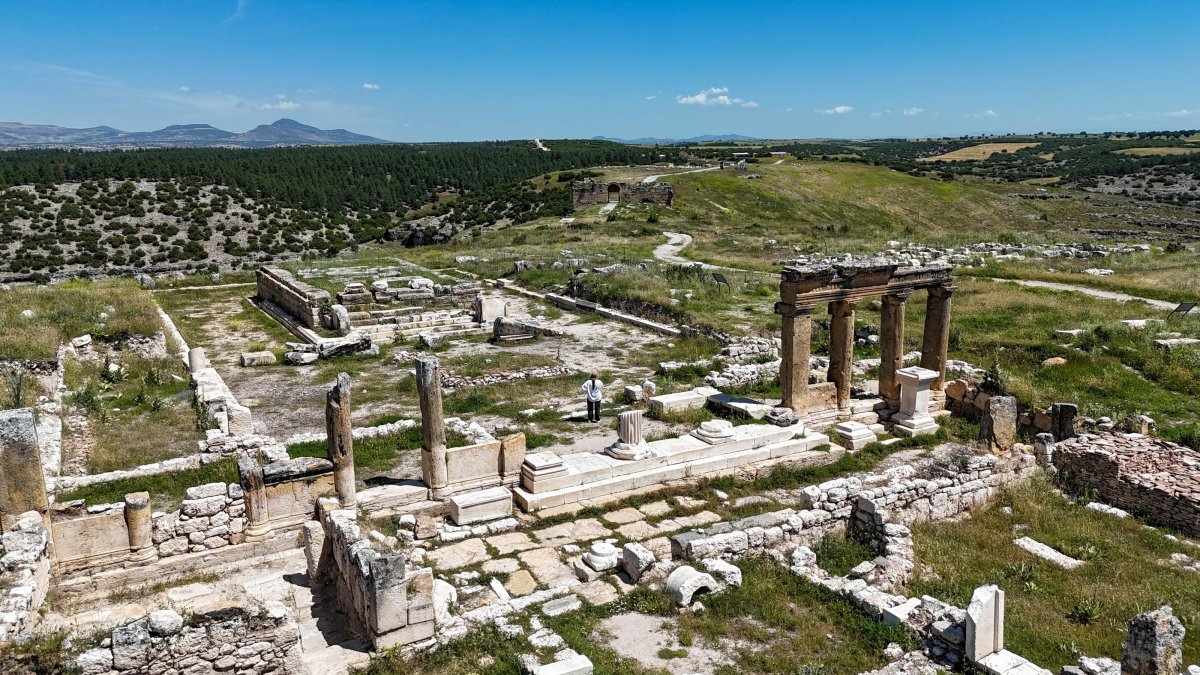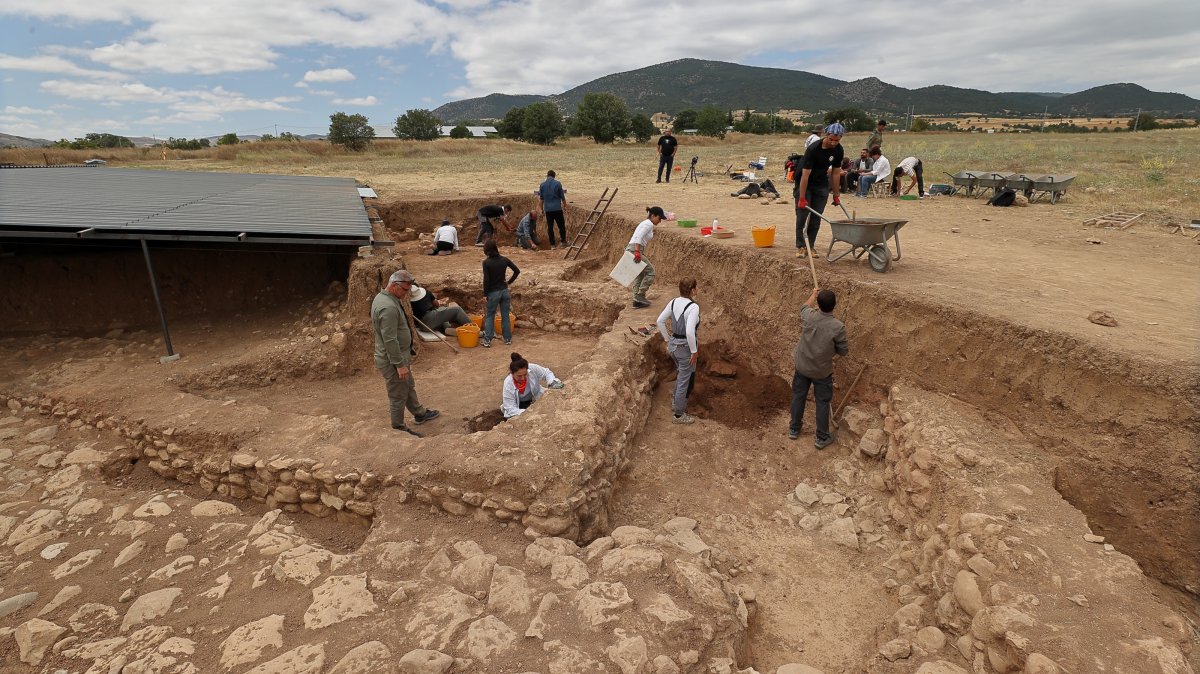
Archaeologists are working to determine the purpose of a monumental structure dating back about 3,400 years that was uncovered during excavations at the ancient city of Sapinuwa in Türkiye’s Çorum province.
One of the most important settlements of its time in religious, military and economic terms, Sapinuwa has yielded about 4,000 tablets that provide insight into the administrative structure, daily life and cultural practices of the state that existed 3,500 years ago.
Archaeological excavations at Sapinuwa, one of the Hittites’ most important cities after Hattusha, began in 1990 and continue under the supervision of Hitit University.
The excavations, supported by Çorum Municipality, aim to shed light on previously unknown aspects of Hittite civilization.
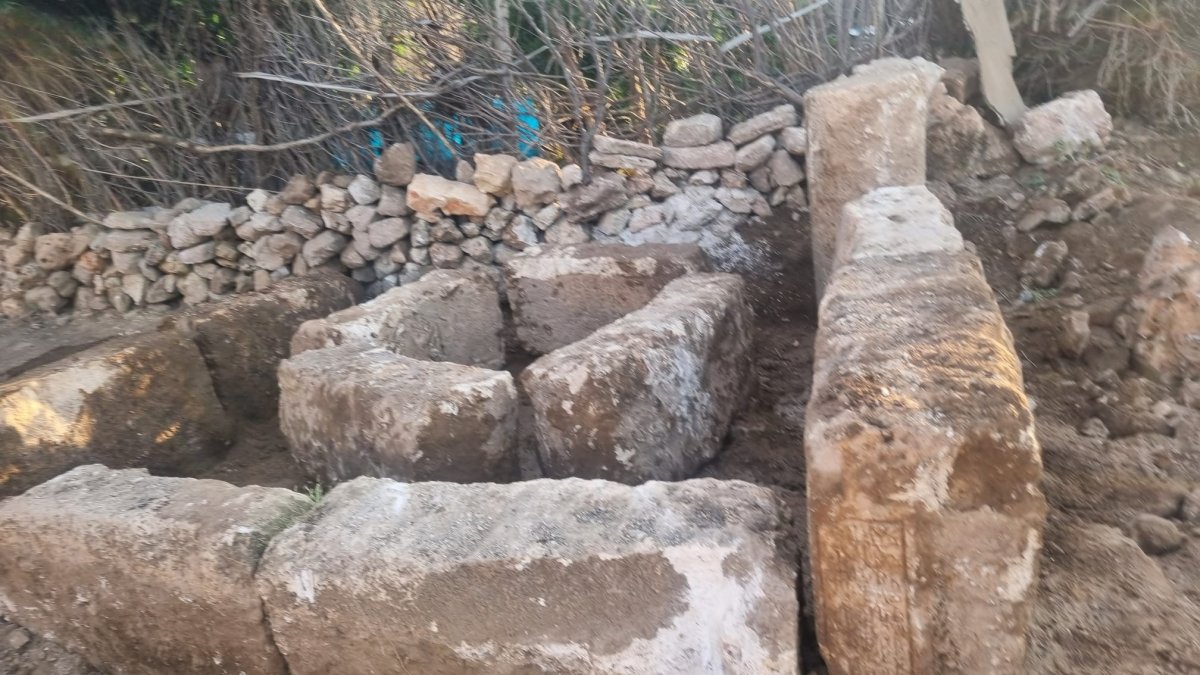
Work is continuing to determine the function of a building discovered in 2024 under excavations led by Önder Ipek, a faculty member in Hitit University’s Department of Archaeology. The structure contains rooms arranged in an “L” shape.