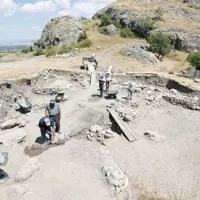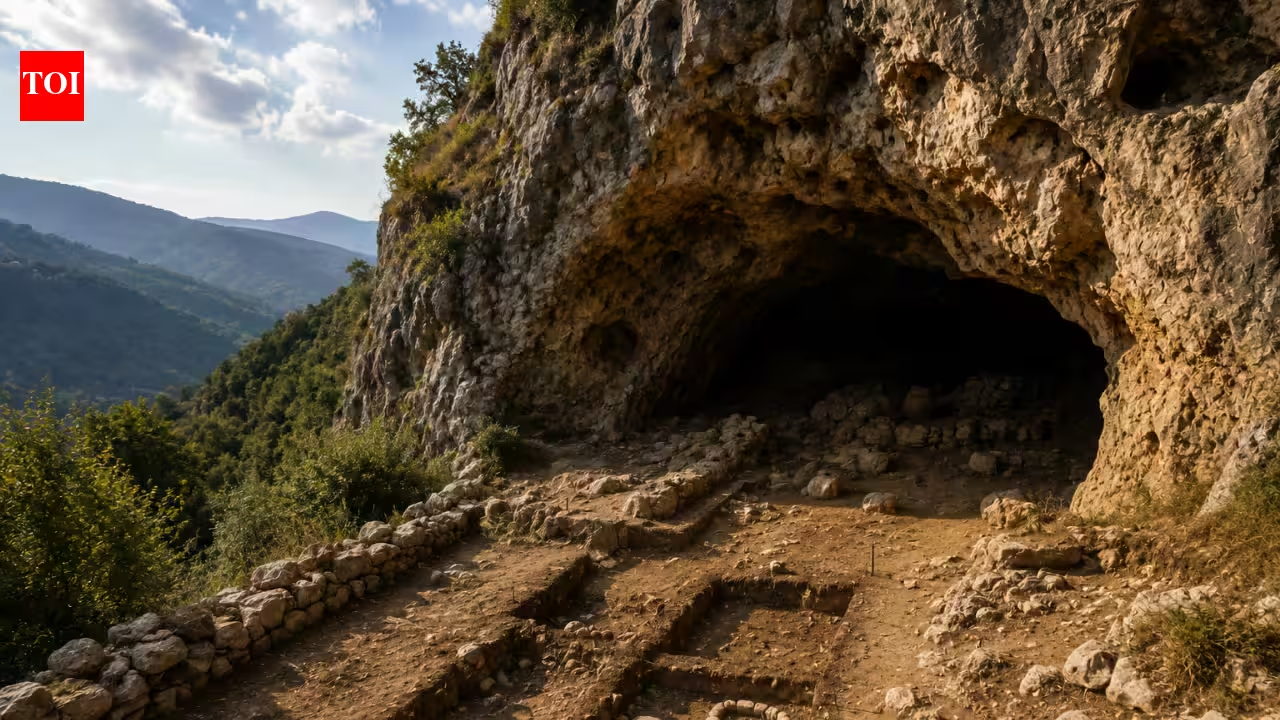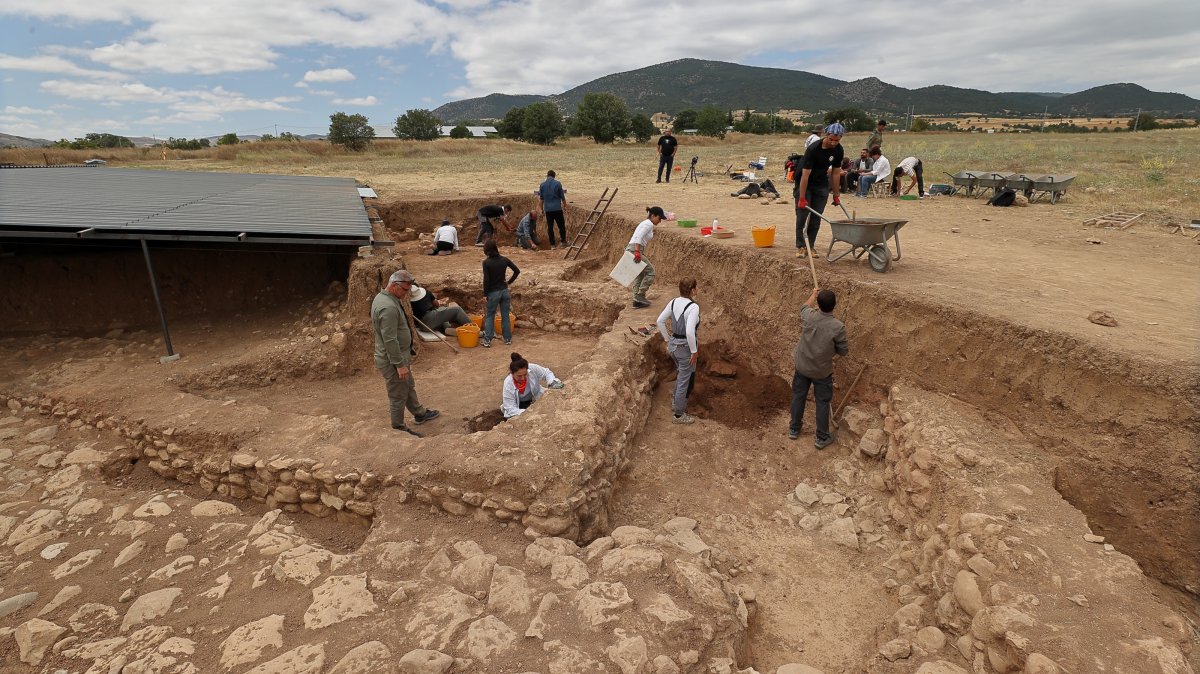
Archaeological excavations at the ancient city of Hattusa, the 8,000-year-old ancient city that was once the capital of the Hittite civilization, have begun for the 120th year with 55 scientists from Türkiye and four other countries.
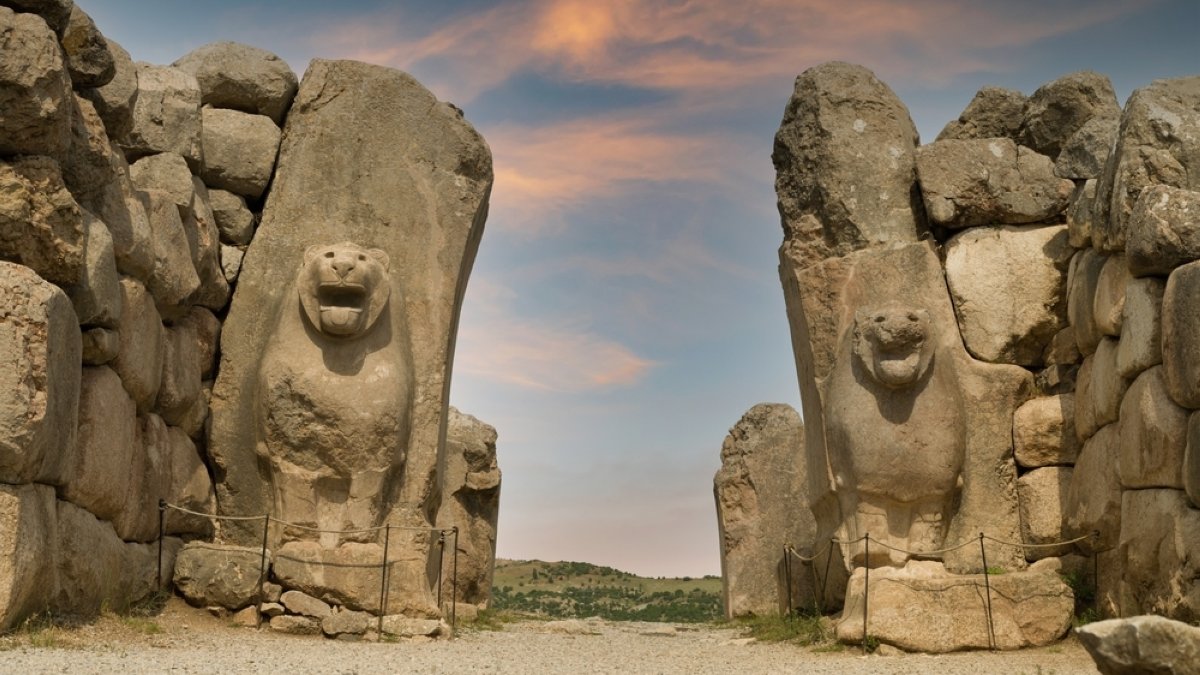
The Hattusa archaeological site, which contains the cultural heritage of the Hatti and Hittites, is among Anatolia's earliest civilizations and bears traces dating back to the 6th millennium B.C., is included on UNESCO's World Heritage and Memory of the World lists. Hattusa served as the capital of the Hittite civilization for about 450 years.
Excavations at Hattusa, located in Türkiye’s Çorum province, a 2-square-kilometer settlement surrounded by about 7 kilometers (4.3 miles) of fortification walls, have been ongoing since 1906.
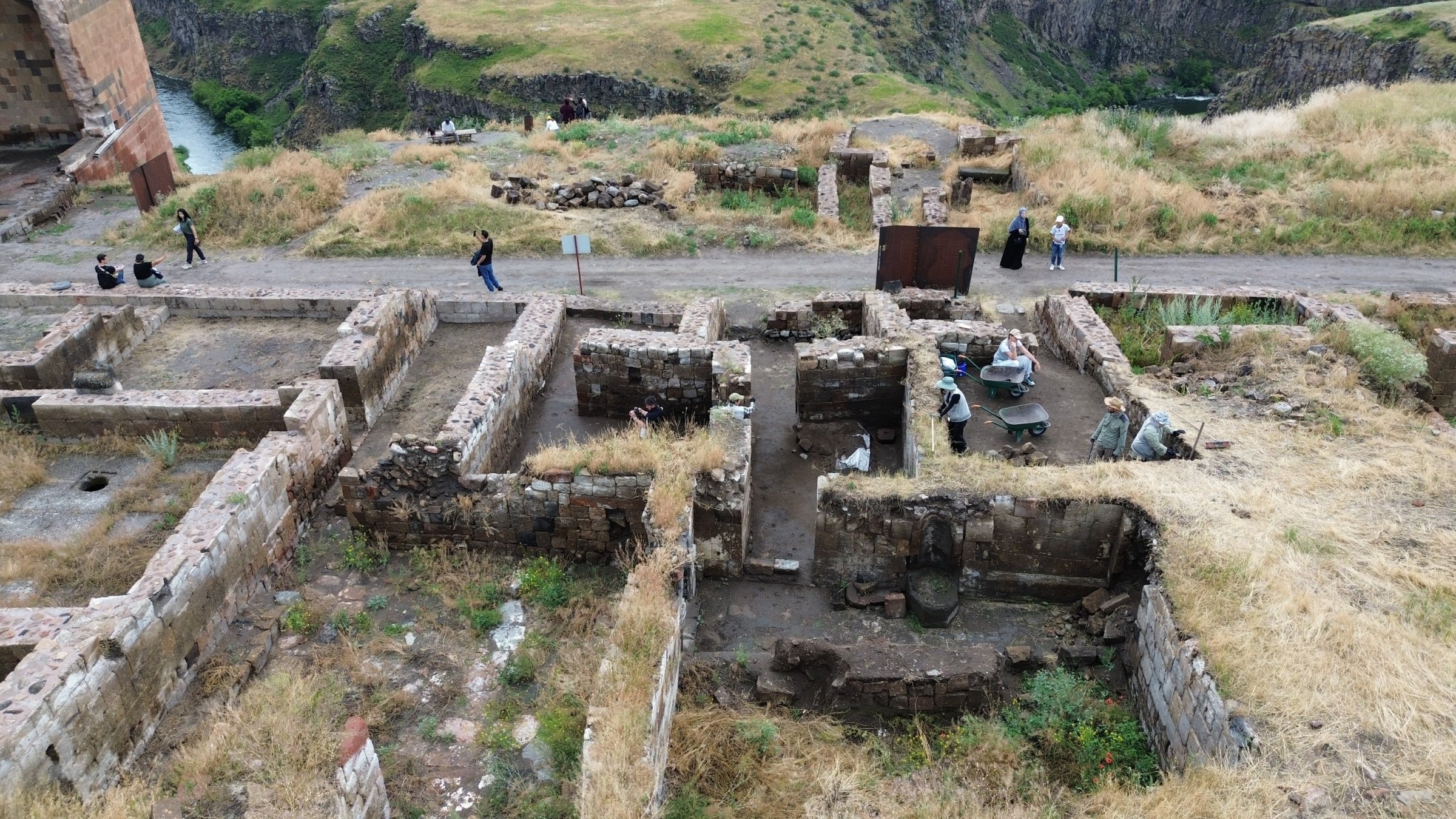
Excavations conducted by the German Archaeological Institute as part of the Ministry of Culture and Tourism's Heritage for the Future Project are uncovering remains from the Chalcolithic, pre-Hittite, Hittite, Iron Age, Galatian, Byzantine and Roman periods.
The excavations, led by professor Andreas Schachner since 2006, are being carried out this year with the participation of experts in archaeology, geology, geomorphology, architecture, philology and archaeozoology from Türkiye as well as Germany, Italy, Hungary and the United States.