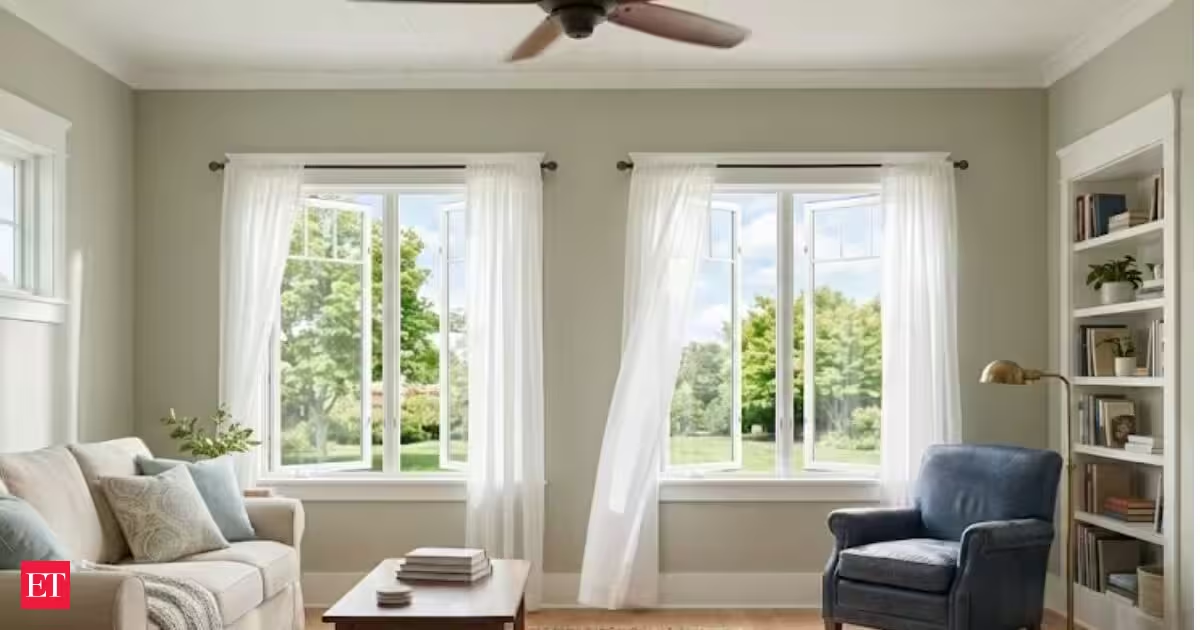
There's a simple trick to beating the heat that doesn't involve switching on the AC: working with the air already moving through your home. Proper ventilation keeps rooms cooler, less muggy and far more comfortable to be in, though getting it right isn't always straightforward. Most people reach for exhaust fans or air conditioners to solve this, but a few small, no-installation-needed adjustments can improve circulation just as effectively.Signs your room isn't getting enough airflowNot sure if poor ventilation is the issue? A few telltale signs usually give it away. A musty or stale smell that lingers even after cleaning is often the first clue, since stagnant air traps odours instead of letting them clear out. Condensation building up on windows or mirrors is another sign, pointing to trapped moisture with nowhere to escape. Left unchecked, that trapped moisture can eventually lead to mould or damp patches, particularly in corners and along walls. If a room also feels warmer and heavier than the rest of the house despite similar exposure to sunlight, poor airflow is likely to blame.This kind of natural airflow is often called cross-ventilation: air entering through one opening and exiting through another, creating a continuous path of movement through the room. It works on a simple principle, warm air rises and escapes through higher or opposite openings, while cooler air gets drawn in from lower or facing ones. Here's how to make the most of it.Also Read: Indian woman living in Dubai shares daughter’s nearly Rs 18 lakh school and bus fees equal to a big SUV in IndiaOpen windows or doors positioned opposite each otherWhere a room or home has openings facing one another, opening them together lets air pass through more effectively. Finding the ideal combination might take some experimentation, but two or more openings working in tandem will always outperform a single one.Keep doors open across the spaceA stuffy room often benefits from simply leaving its door open, whether that connects it to another room with windows or directly to the outdoors, letting air move more freely between spaces.Clear furniture away from windows and airflow pathsLarge items like wardrobes, shelving units and desks can block air movement, particularly when placed near windows on either side of a room. Keeping the space around windows clear, and avoiding furniture placement between doors and windows, lets air pass through unobstructed.Time your window-opening to the temperatureIt's common to shut windows once it warms up outside, but that only traps stale air indoors. A better approach is to open windows during the cooler hours of morning and evening, then close them again once temperatures peak.Use curtains and blinds to manage heatDrawing blinds or curtains shut during the hottest part of the day helps block out sunlight and heat. Opening them back up, alongside the windows, during cooler periods lets fresh air circulate through the room.Keep the room free of unnecessary clutterAn overcrowded room restricts airflow and feels more stifling as a result. Pushing bulkier furniture against the walls and keeping the centre of the room open creates more breathing room, literally and figuratively.Let air travel between roomsWhere only one room has good airflow, opening its interior doors helps that cooler air spread into adjoining spaces.Map out the best-performing openingsRather than opening every window and door at once, figure out which combination creates the strongest through-breeze and rely on that path. Small adjustments to window use, furniture placement and room layout can make a real difference.Quick recapDo: Open opposite windows/doors together, clear furniture from window areas, time window use to the temperature, keep interior doors open where possible.Don't: Block airflow paths with large furniture, keep windows shut during cooler hours, overcrowd rooms with unnecessary items.What matters most, in the end, is leaving room for air to enter and exit freely, and keeping its path through the room unobstructed.
8 Simple tricks to improve ventilation and cool down your room without AC
Struggling with a stuffy, muggy room? Poor ventilation often shows up as musty smells, condensation or mould, but fixing it doesn't require an AC. This guide breaks down eight simple, no-installation tricks, from opening opposite windows to timing airflow with cooler hours, that use cross-ventilation to cool rooms naturally. Small changes to furniture placement and window habits can make a noticeable difference indoors.
638 words~3 min read