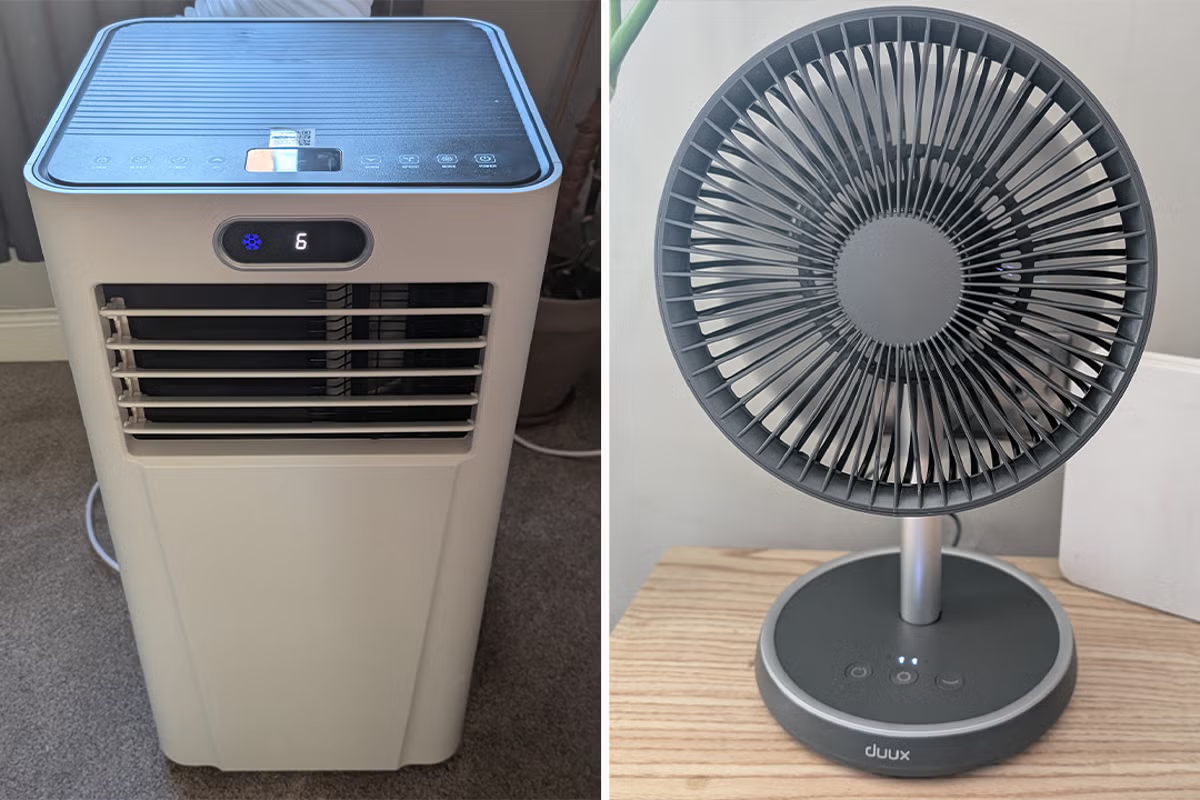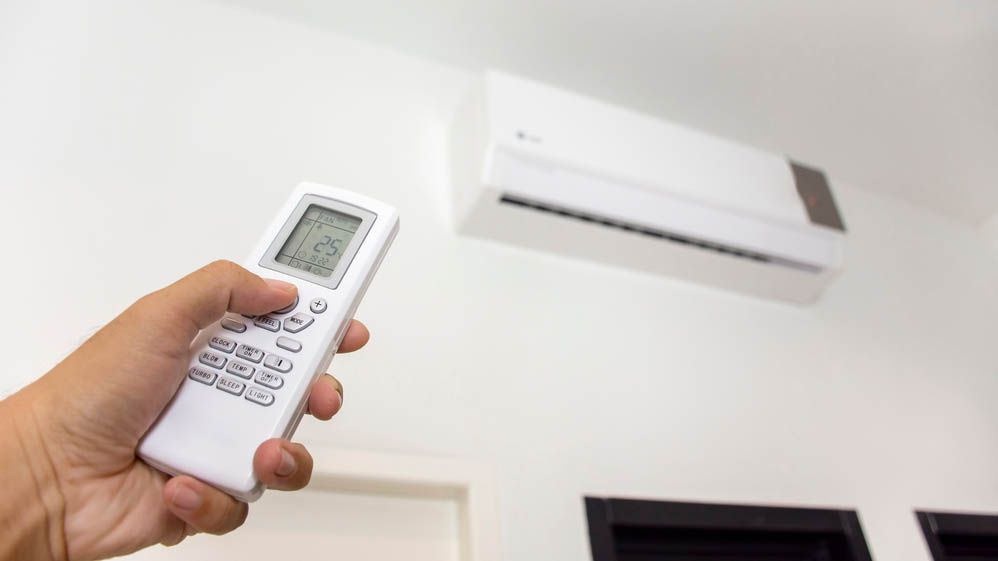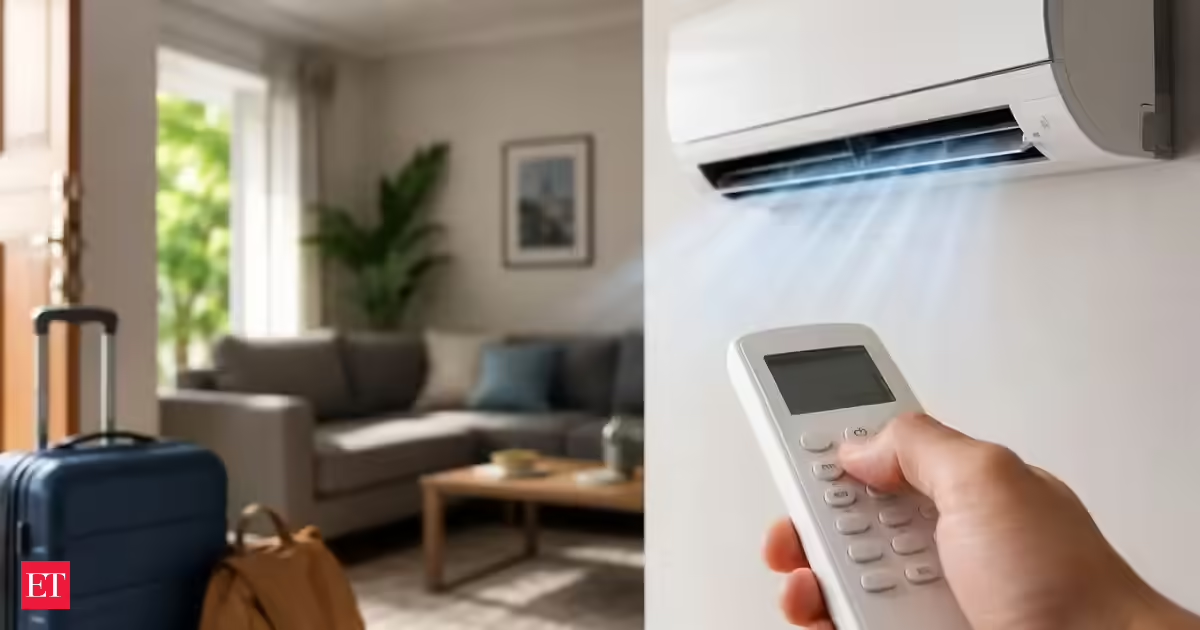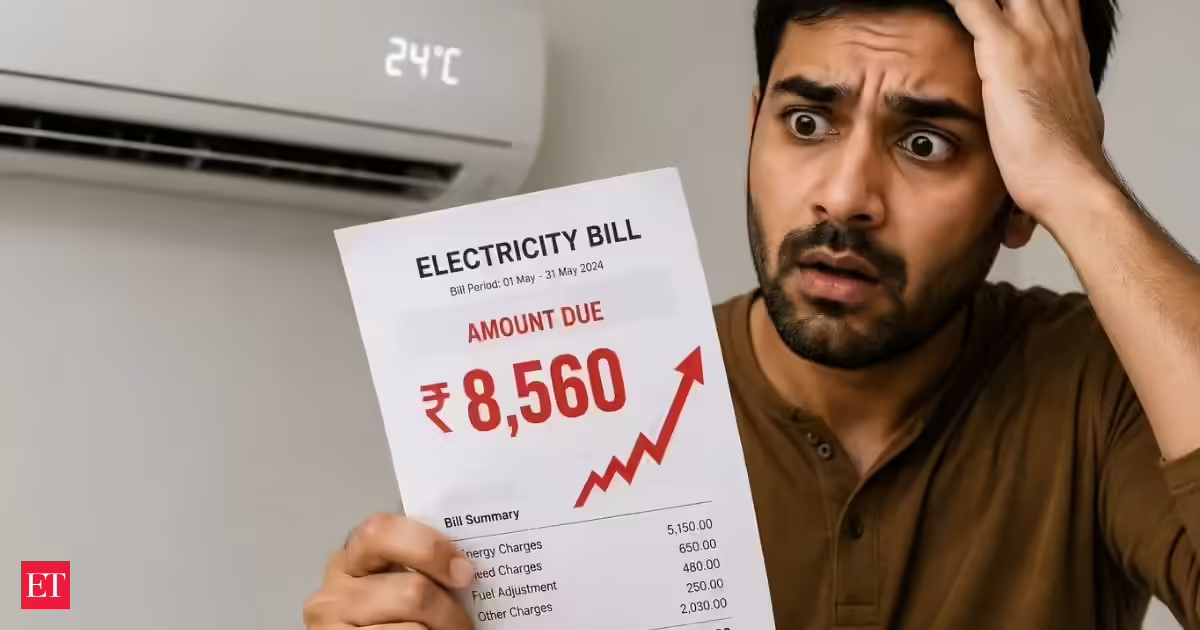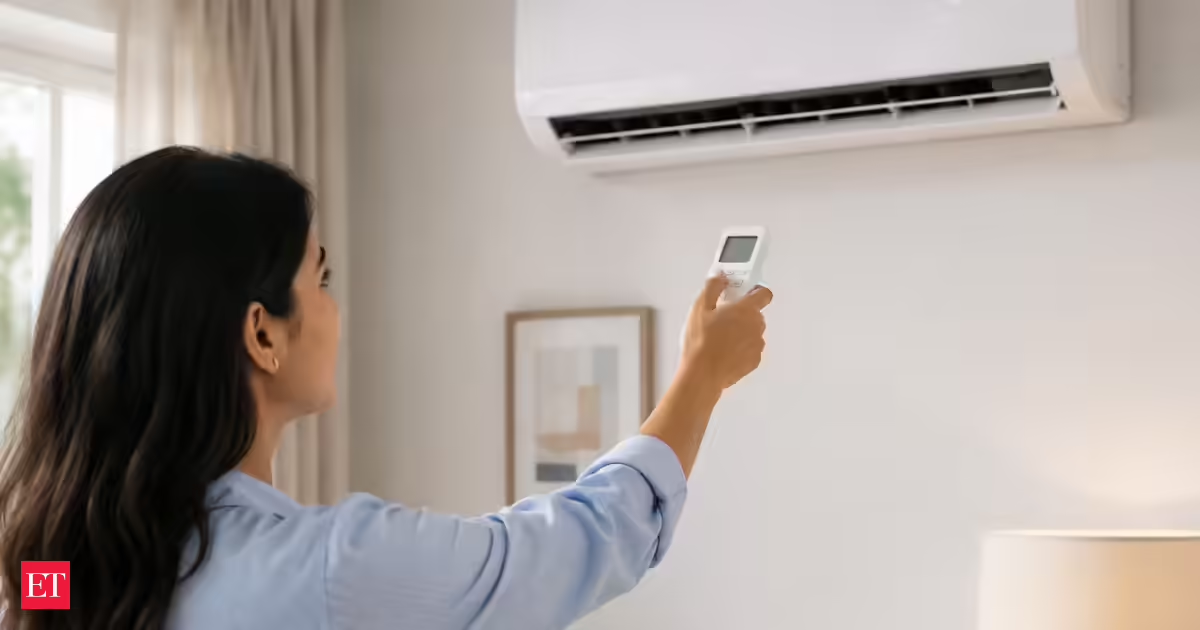
When summer temperatures soar, many people turn their air conditioner down to 18°C expecting instant relief. However, if your room still feels warm despite the AC running continuously, the problem may not be the temperature setting itself.In fact, setting an air conditioner to its lowest temperature does not always make a room cool faster. Several factors, from dirty filters to poor insulation, can affect cooling performance. Here are some practical and effective ways to keep your room cool when your AC does not seem to be doing its job.Check and Clean the AC FilterOne of the most common reasons an AC struggles to cool a room is a dirty air filter.Over time, dust and debris accumulate on the filter, restricting airflow and forcing the unit to work harder. Reduced airflow can significantly affect cooling efficiency.Most experts recommend cleaning or replacing filters every few weeks during heavy summer use. A clean filter helps improve airflow and allows the AC to cool the room more effectively.Keep Doors and Windows ClosedEven the best air conditioner will struggle if cool air is constantly escaping.Make sure all windows and doors remain closed while the AC is running. Gaps around doors and windows can also allow hot outdoor air to enter, making it harder to maintain a comfortable indoor temperature.Using curtains or blinds during the hottest part of the day can further reduce heat entering the room.Don't Set the Temperature Too LowMany people assume that lowering the thermostat to 18°C will cool a room faster. In reality, most air conditioners cool at the same rate regardless of the temperature selected.Setting an extremely low temperature can increase electricity consumption without delivering significantly faster cooling.For comfort and energy efficiency, temperatures between 24°C and 26°C are generally recommended for most homes.Use a Fan Alongside Your ACA ceiling fan or pedestal fan can help distribute cool air more evenly throughout the room.Fans do not lower the air temperature, but they improve air circulation, making the room feel cooler and reducing pressure on the AC unit.Using a fan alongside an air conditioner can often improve comfort without needing to lower the thermostat.Check the Outdoor UnitThe outdoor condenser unit plays a vital role in removing heat from your home.If the unit is blocked by dust, leaves or debris, cooling performance can suffer. Ensure there is sufficient space around the outdoor unit and keep it clean according to the manufacturer's recommendations.If the condenser appears damaged or unusually dirty, professional servicing may be required.Reduce Heat From AppliancesElectronic devices and household appliances generate heat.Televisions, computers, gaming consoles, ovens and even bright lighting can increase indoor temperatures and make your AC work harder.Switching off unused appliances and using energy-efficient lighting can help reduce unnecessary heat build-up.Look for Signs of Low RefrigerantIf your air conditioner runs constantly but fails to cool properly, low refrigerant levels could be the cause.Common signs include weak cooling, ice formation on indoor coils and unusually long operating cycles.Refrigerant should only be checked and handled by qualified technicians. If you suspect a leak, arrange professional servicing rather than attempting repairs yourself.Improve Room InsulationPoor insulation can allow cool air to escape and hot air to enter.Simple measures such as sealing gaps, using blackout curtains and closing unused rooms can help maintain a cooler indoor environment.Proper insulation reduces the workload on your AC and helps maintain a consistent temperature.Schedule Regular AC ServicingLike any appliance, air conditioners require regular maintenance.Professional servicing can identify issues such as clogged coils, refrigerant leaks, electrical faults or worn-out components before they become major problems.An annual service before the peak summer season can help ensure your AC operates efficiently when you need it most.When Should You Call a Technician?If your AC is set correctly, filters are clean and airflow appears normal but cooling remains poor, it may be time to seek professional help.Persistent problems such as unusual noises, water leaks, weak airflow or inconsistent cooling often indicate underlying mechanical issues that require expert attention.Disclaimer: This article is intended for informational purposes only and should not be considered professional technical advice. If your air conditioner continues to perform poorly, consult a qualified technician for inspection and repairs.
AC running all day at 18°C but your room still hot? 9 hacks to help you solve this summer heatwave problem
AC hacks: When your air conditioner struggles to cool, don't just lower the thermostat. Dirty filters, blocked outdoor units, and poor insulation can hinder performance. Simple steps like closing windows, using fans, and reducing appliance heat can significantly improve cooling efficiency and save energy.
685 words~3 min read