Language models produce wrong answers. Not occasionally — regularly. When you deploy an LLM to automate tasks, you need a way to catch and fix those errors without human intervention. Reflection loops are one practical answer: the model checks its own output, flags problems, and retries until it meets a quality bar you define in code.
What Is a Reflection Loop?
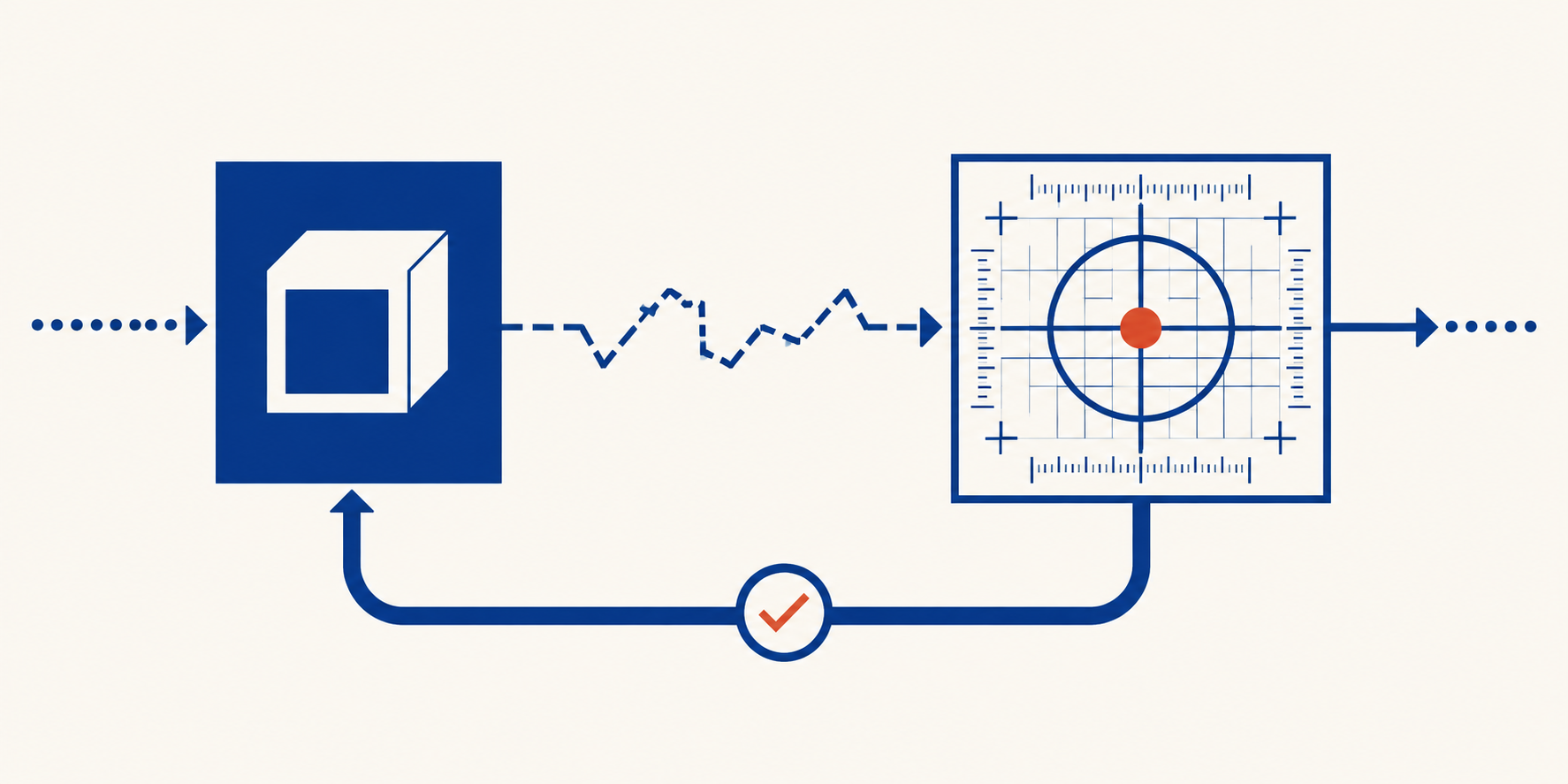
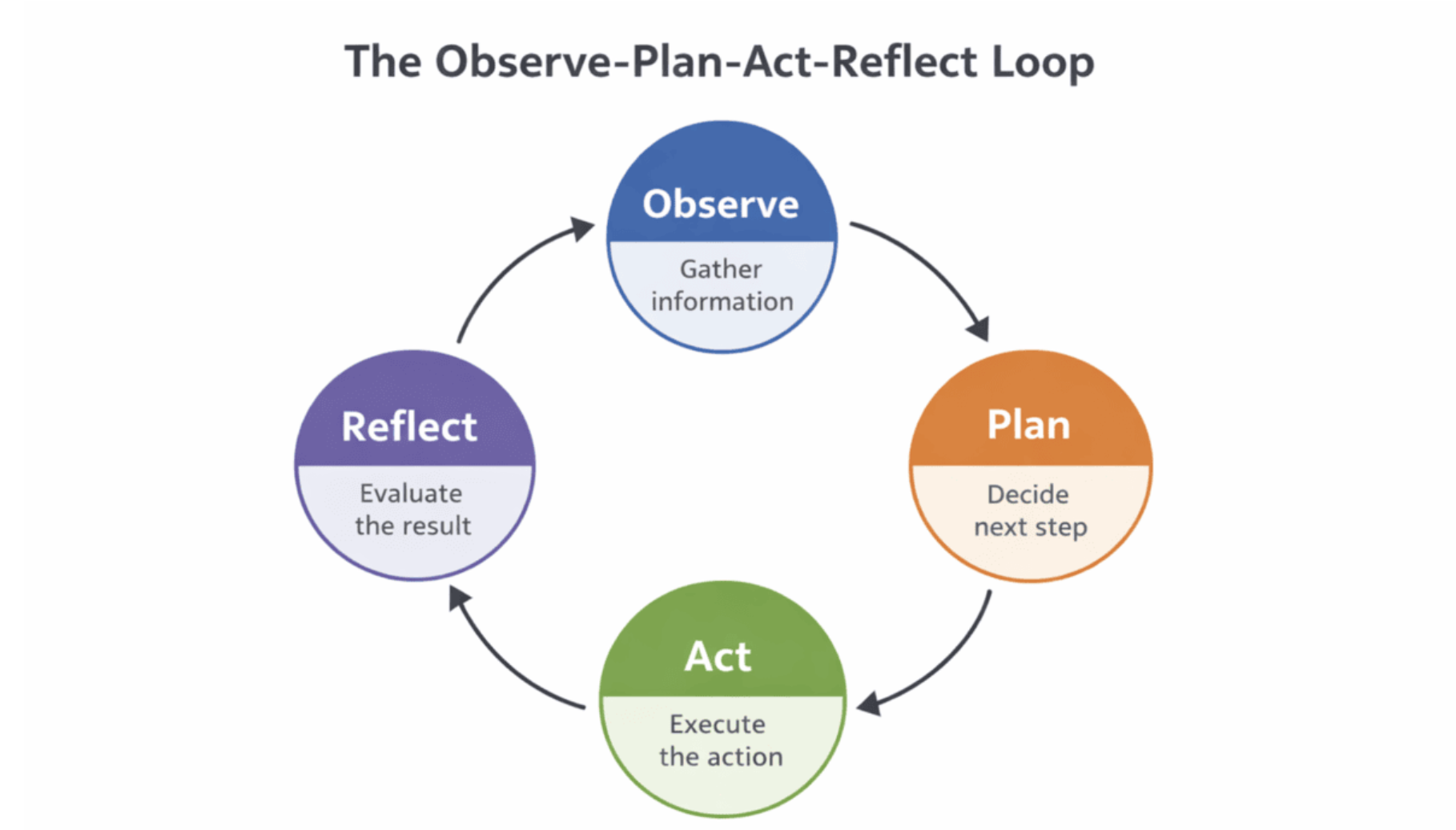
A reflection loop is a control flow pattern where an agent runs a task, evaluates the result, then decides whether to retry. The simplest form is a two-step cycle: generate and critique. The critique step is usually a second LLM call with a different prompt, but it can also be a deterministic check — a JSON parser, a unit test runner, or a schema validator.
The key insight is that critique is easier than generation. A language model will often miss edge cases in a first pass but correctly identify them when asked “what is wrong with this output?” This asymmetry is what makes the pattern work at all.
A Minimal Working Implementation