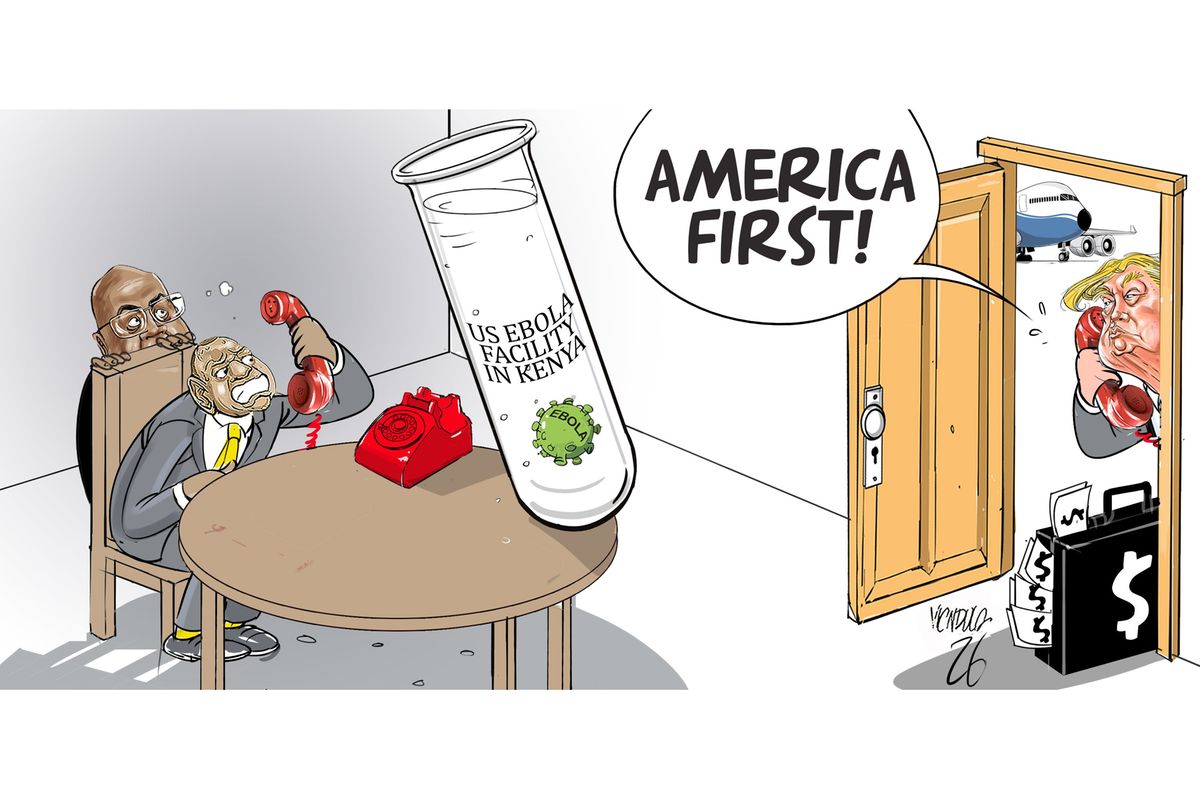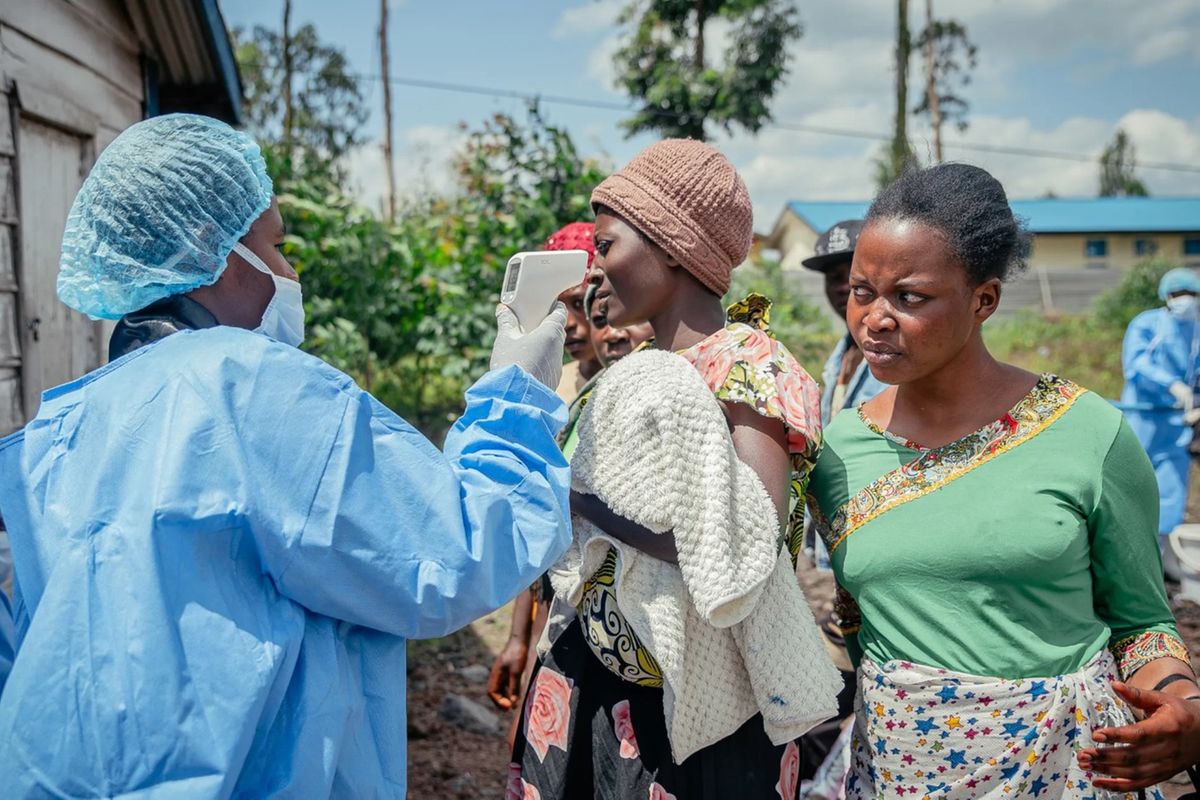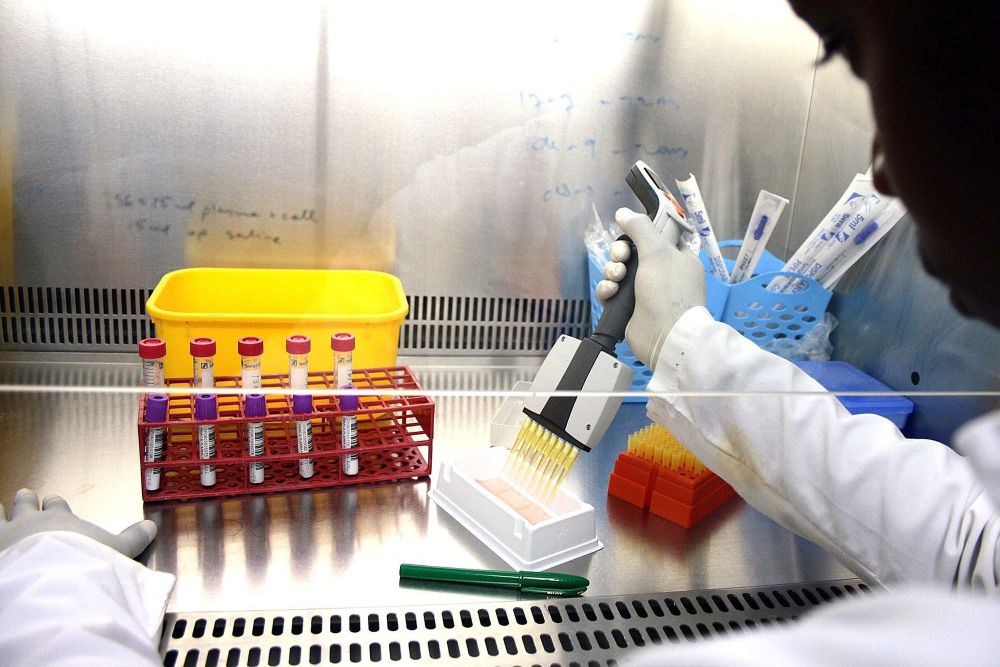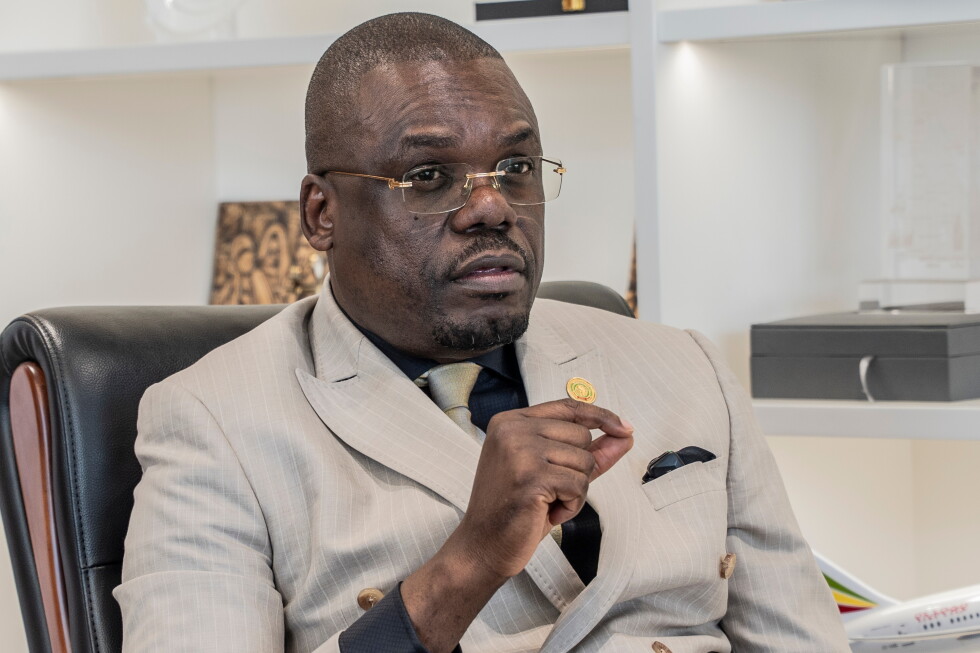
With the outbreak of Ebola caused by the Bundibugyo virus in the Democratic Republic of the Congo earlier this year, the regions of Central and East Africa have been under scrutiny and have captured global attention. While concerted efforts by neighboring countries to prevent the spread of Ebola within the region and across the continent have been commendable, more deliberate and collaborative global efforts should take center stage before the situation becomes too difficult to contain.
Based on its inception in 1976, when it severely affected the region, and its re-emergence in 2014, which resulted in more than 10,000 deaths through 2016, the World Health Organization (WHO) reports that the current 2026 statistics – 1,587 deaths and 3,605 confirmed cases – are becoming increasingly dire.
More attention ought to be given to the matter to avoid a repeat of how the WHO handled the 2014 outbreak, which claimed many lives in Liberia and Sierra Leone. Much of the criticism at the time was directed at the agency’s political handling of the response, and such shortcomings should not be repeated. This is not the time for political manoeuvring. The fight against Ebola must remain focused on saving lives and containing the outbreak.