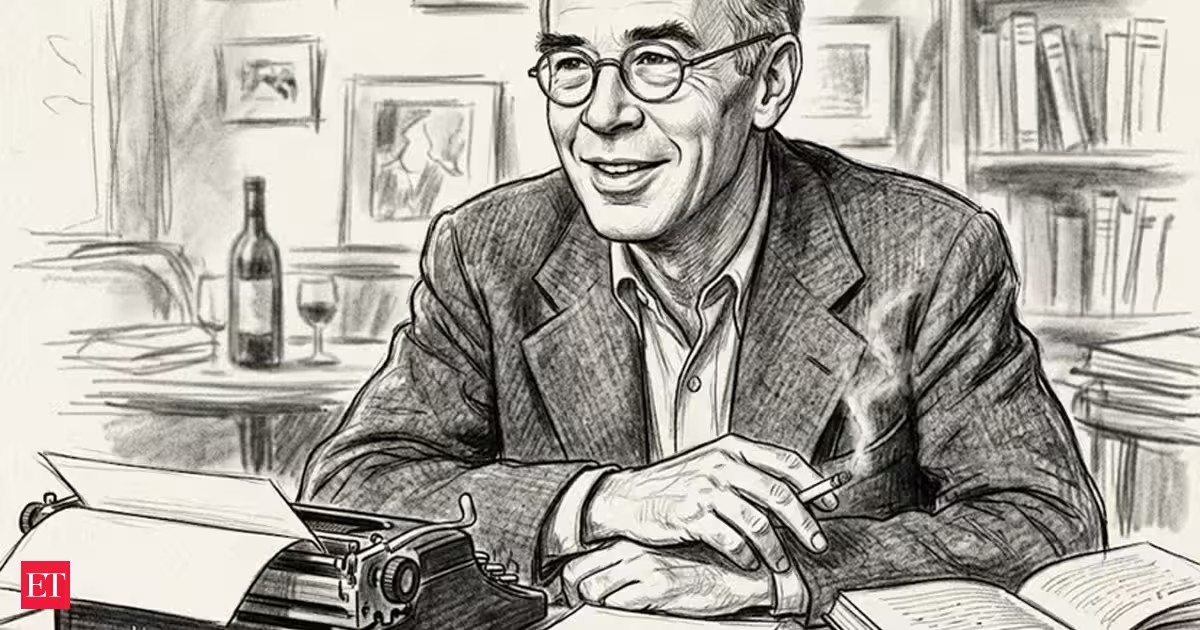
Quote of the day by Henry Miller: Henry Miller was an American novelist whose unconventional life and writing style made him one of the most controversial and influential literary figures of the 20th century. Born in New York City in 1891, Miller rejected many traditional ideas about work, relationships, art and society. His writing often drew heavily from his own experiences, combining autobiography, philosophy, humor and social criticism. Miller spent much of his life searching for freedom and creative independence. His years in Paris became particularly important to his development as a writer. Books such as 'Tropic of Cancer' and 'Tropic of Capricorn' later established his reputation, while his distinctive reflections on life continued to attract readers around the world.Miller's writing challenged conventional literary expectations. He frequently blended fiction with autobiography, creating works that reflected his experiences, relationships, financial struggles and search for meaning. His first major novel, 'Tropic of Cancer', was published in Paris in 1934. Because of its explicit sexual content and unconventional language, the book was banned in the United States for decades. A landmark US court decision in 1964 eventually allowed its publication. The controversy surrounding the novel helped make Miller a symbol of artistic freedom and free expression. Miller moved to Paris in 1930, a decision that became a turning point in his life and career. He lived among artists, writers and intellectuals while struggling financially and working toward becoming a full-time writer. His Paris experiences became the foundation for much of his later work. His memoir-like novel 'Tropic of Cancer' captured the city's bohemian atmosphere and his own unconventional approach to life. The book eventually became one of his best-known works.Quote of the dayQuote of the day - "Destiny is what you are supposed to do in life. Fate is what kicks you in the ass to make you do it," is widely attributed to American novelist Henry Miller.Meaning of the quoteHenry Miller’s quote highlights a humorous but meaningful way to think about purpose and adversity. Miller draws a distinction between destiny as a direction and fate as the force that pushes us toward it. Destiny represents the goals, talents or calling that may give our lives meaning. Fate, meanwhile, represents the unexpected events, setbacks and difficult circumstances that can force us to change course. The message is not that every hardship has a predetermined purpose. Instead, it suggests that difficult experiences can sometimes reveal possibilities we might otherwise ignore. A setback can make us reconsider our choices, take a risk or finally pursue something we have been avoiding. Miller’s larger lesson is about action and resilience. Sometimes, life does not gently guide us toward change. It pushes us through uncomfortable moments until we finally recognize what we want and take the next step.Although Miller became famous partly because of the controversy surrounding his books, his writing went beyond sexuality and rebellion. He frequently explored freedom, creativity, loneliness, identity and the search for purpose. He believed artists needed independence and honesty to produce meaningful work. His writing could be provocative, but it was also deeply personal. Miller often treated everyday experiences as opportunities to think about larger questions surrounding human existence.Miller died in 1980 at age 88, but his influence remains visible in literature and popular culture. His willingness to challenge social conventions helped expand ideas about what autobiographical and experimental writing could accomplish. He also inspired later generations of writers who valued personal freedom and artistic experimentation.Perhaps Miller's lasting appeal comes from his refusal to present life as neat or predictable. His work embraced contradiction, uncertainty and imperfection. For readers today, his writing offers more than controversy. It presents a reminder that creativity often requires courage, independence and a willingness to question the expectations placed on us.
Quote of the day by Henry Miller: 'Destiny is what you are supposed to do in life. Fate is what kicks you in the ass to make...' - American novelist’s powerful wisdom on finding your purpose, facing adversity and understanding life’s unexpected turns
Quote of the day by Henry Miller: Renowned for his audacious lifestyle and innovative storytelling, American author Henry Miller profoundly impacted literature. His book, 'Tropic of Cancer', encountered censorship due to its provocative themes. Paris, where he thrived, played a pivotal role in his creative journey as he navigated concepts of individuality and purpose. Even today, his work resonates, inspiring authors to push boundaries and defy conventions.
624 words~3 min read