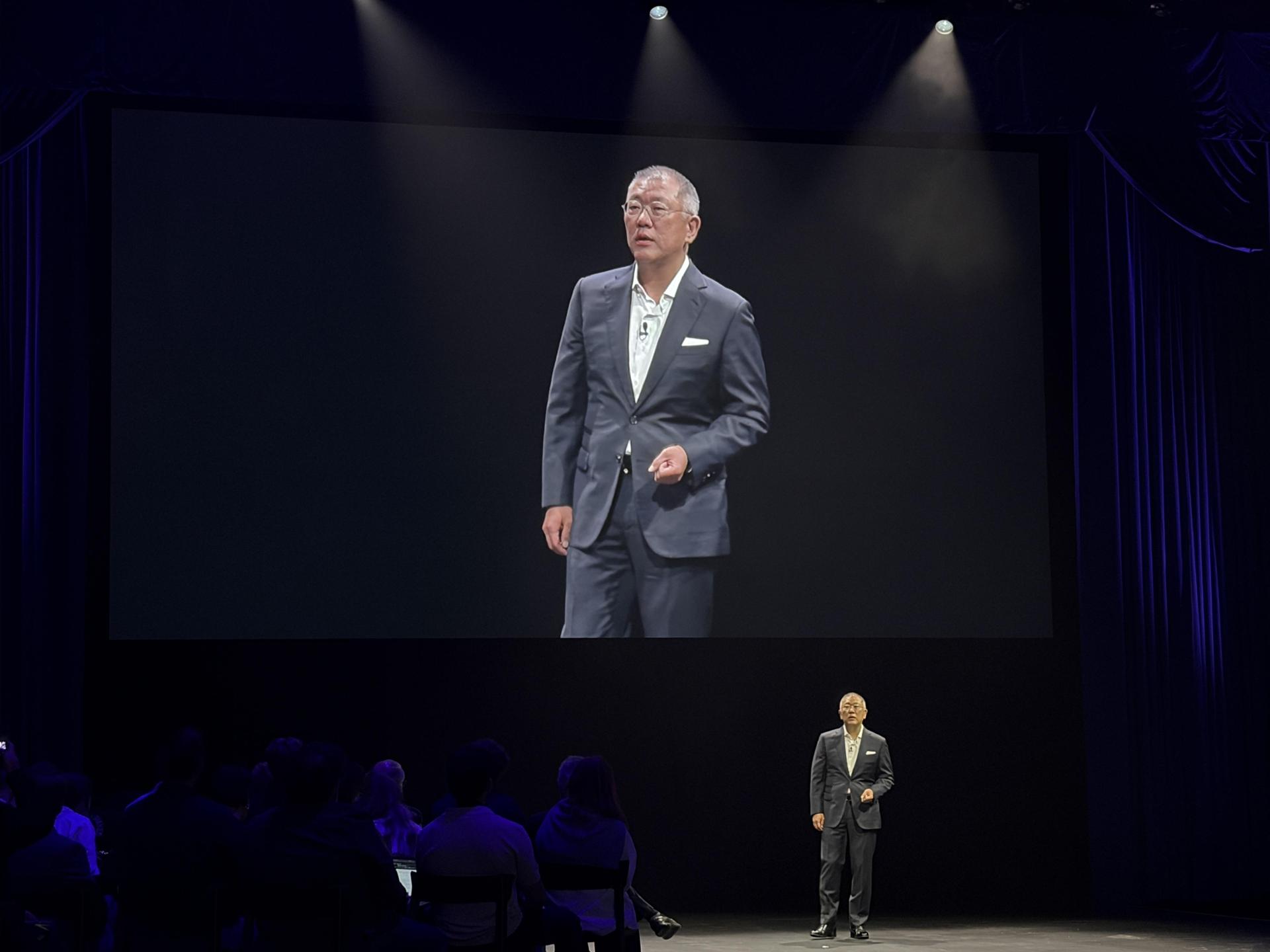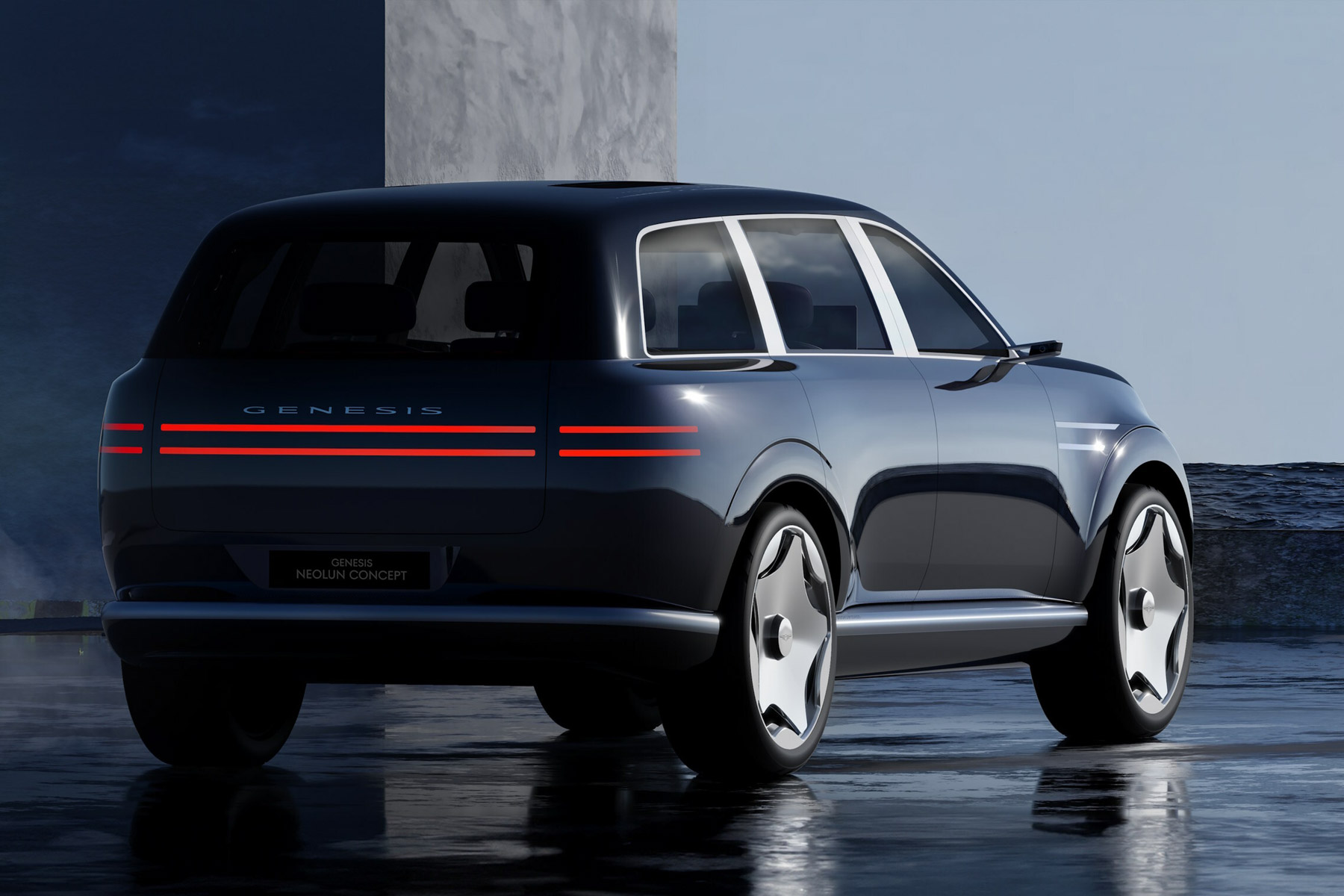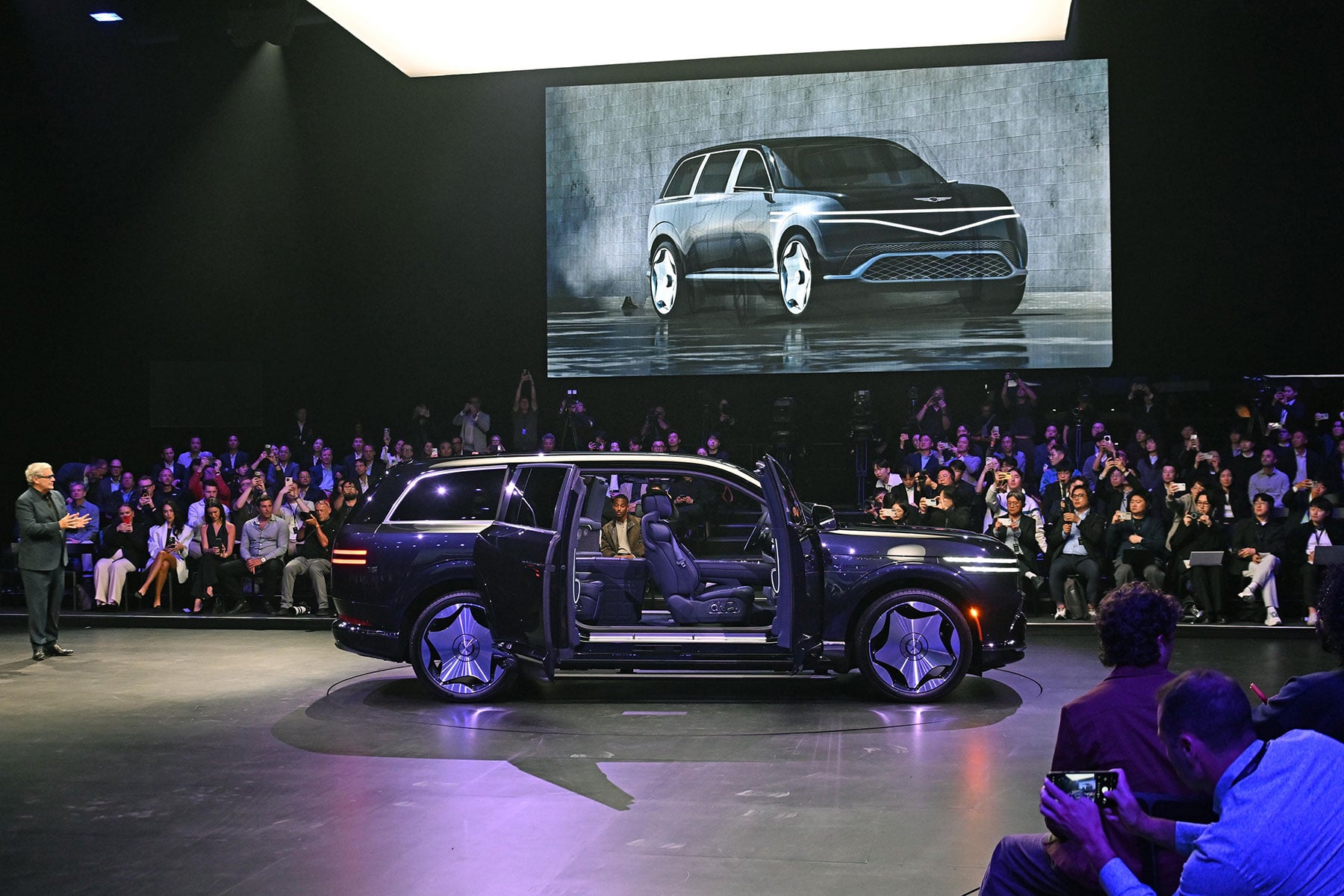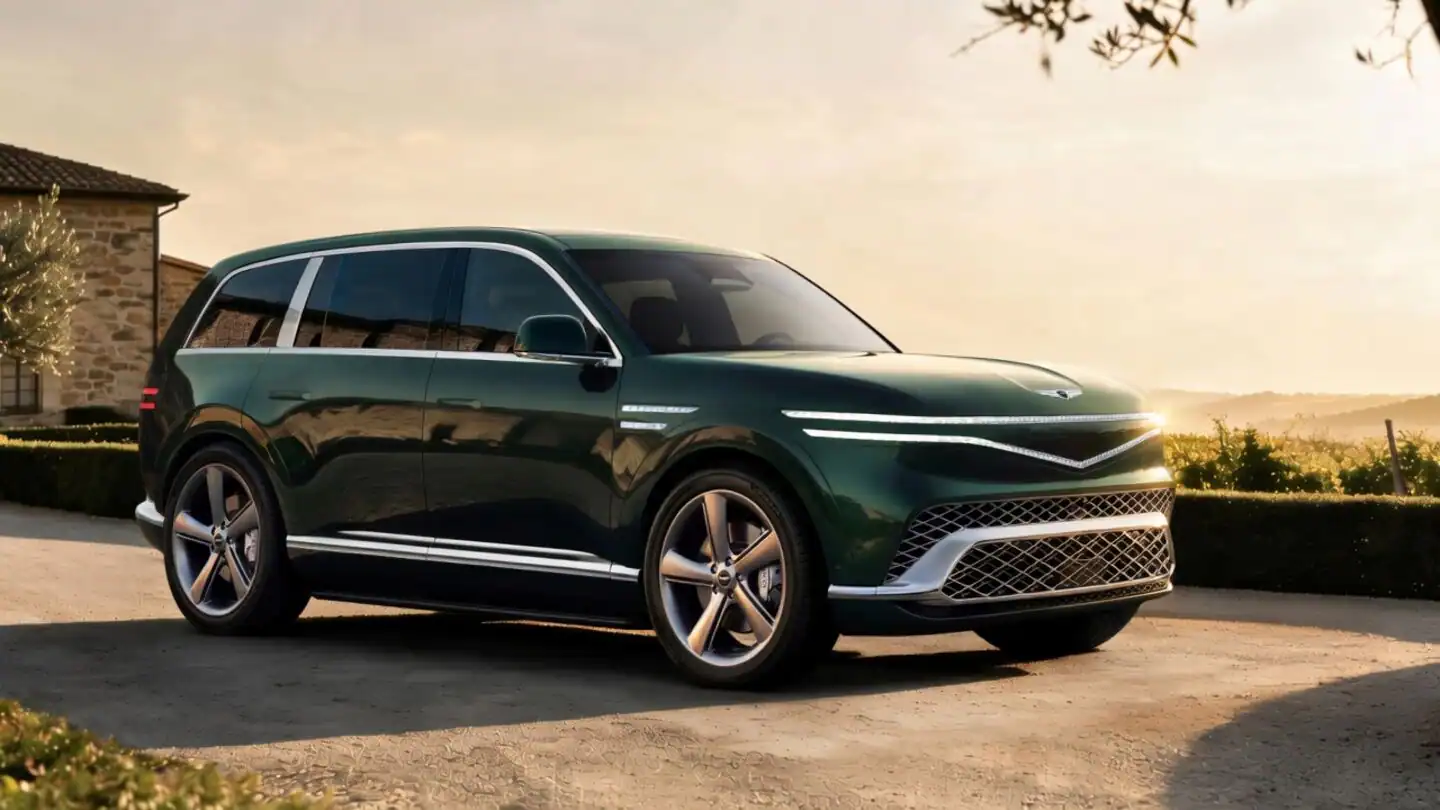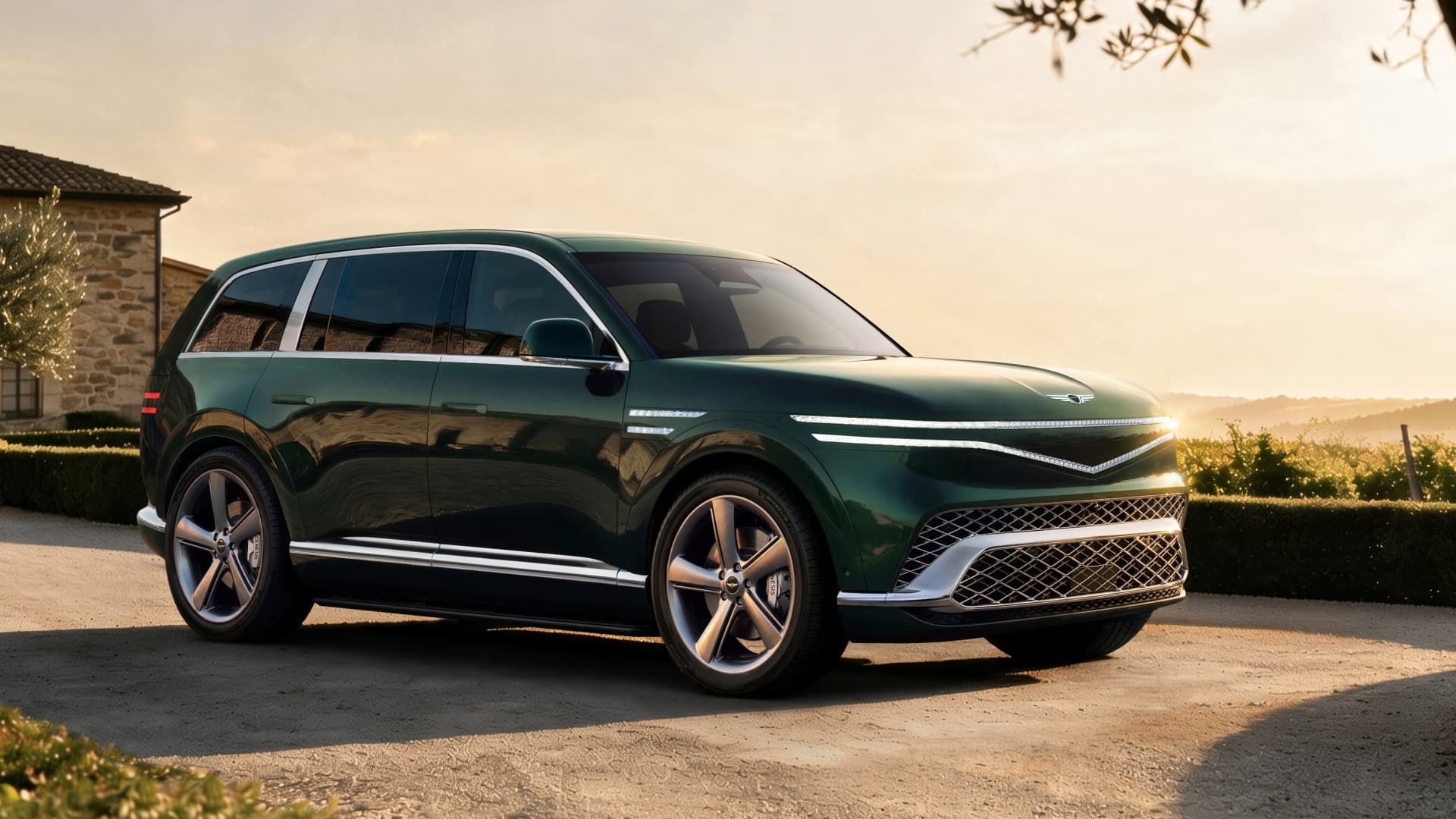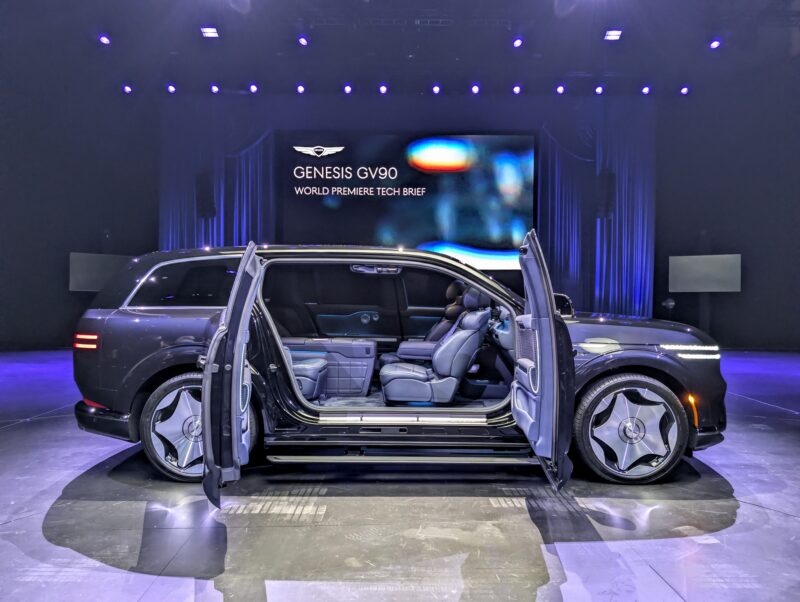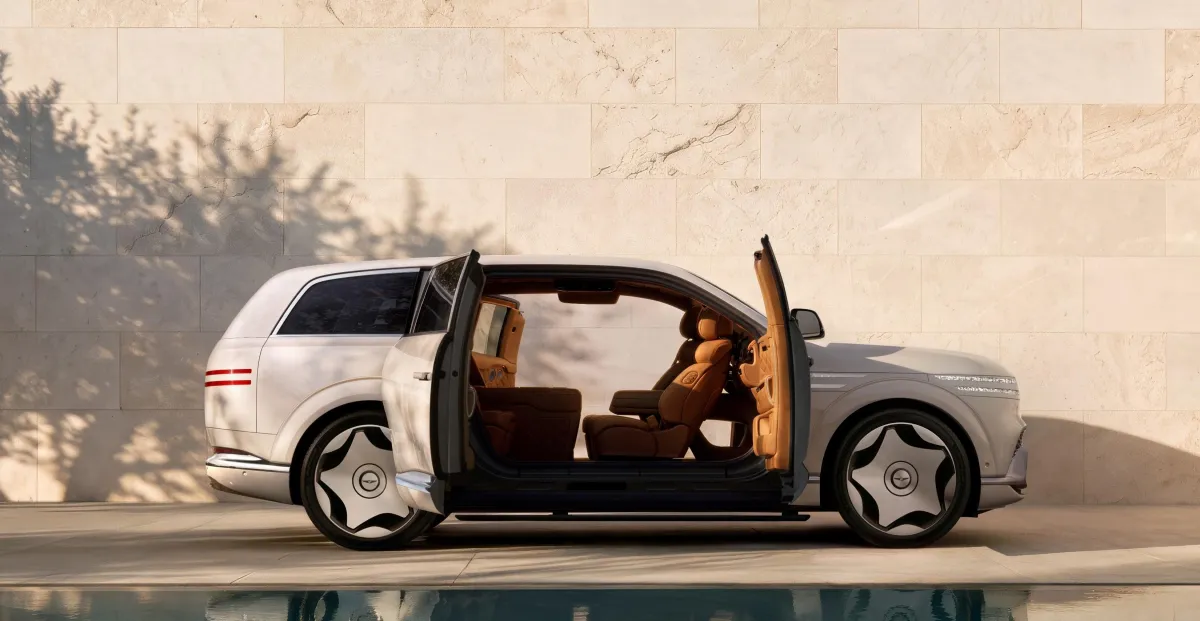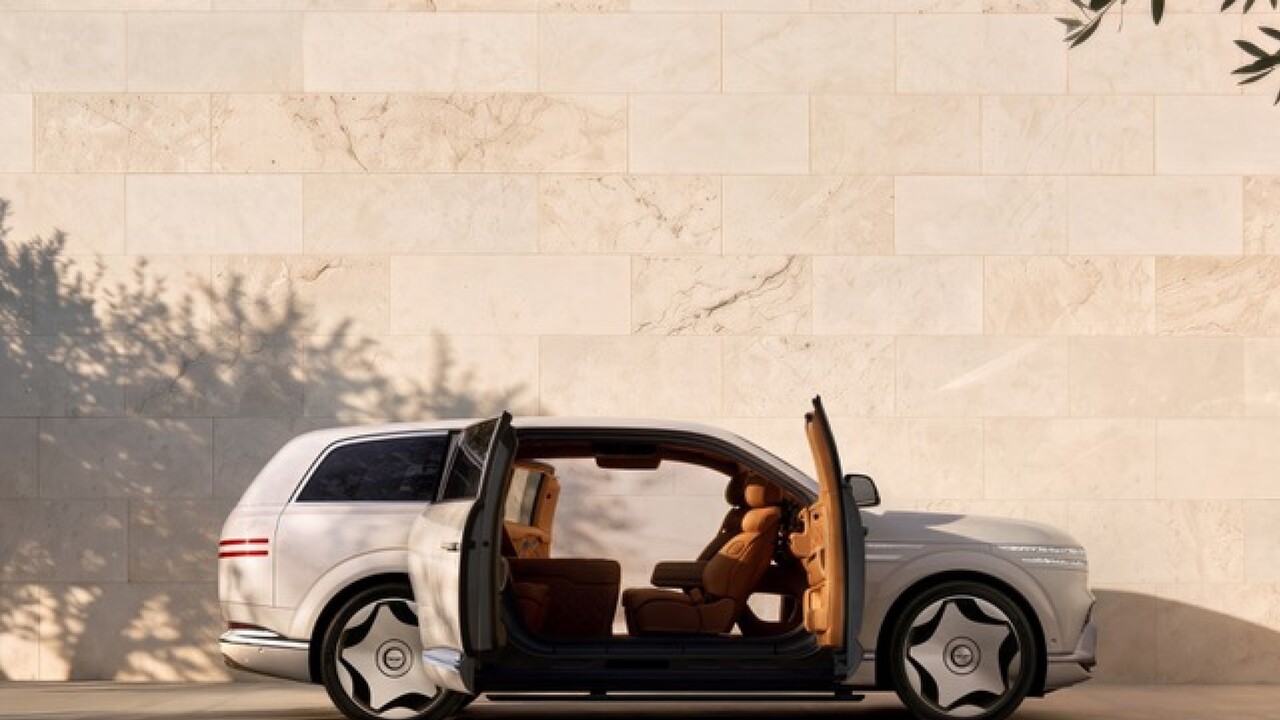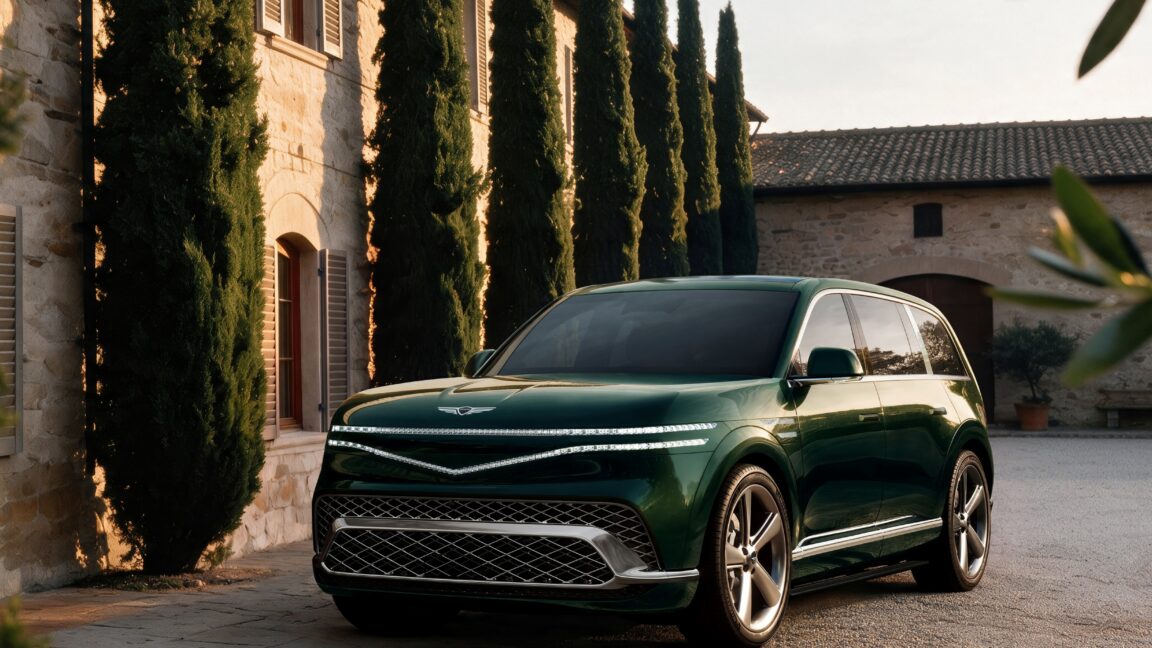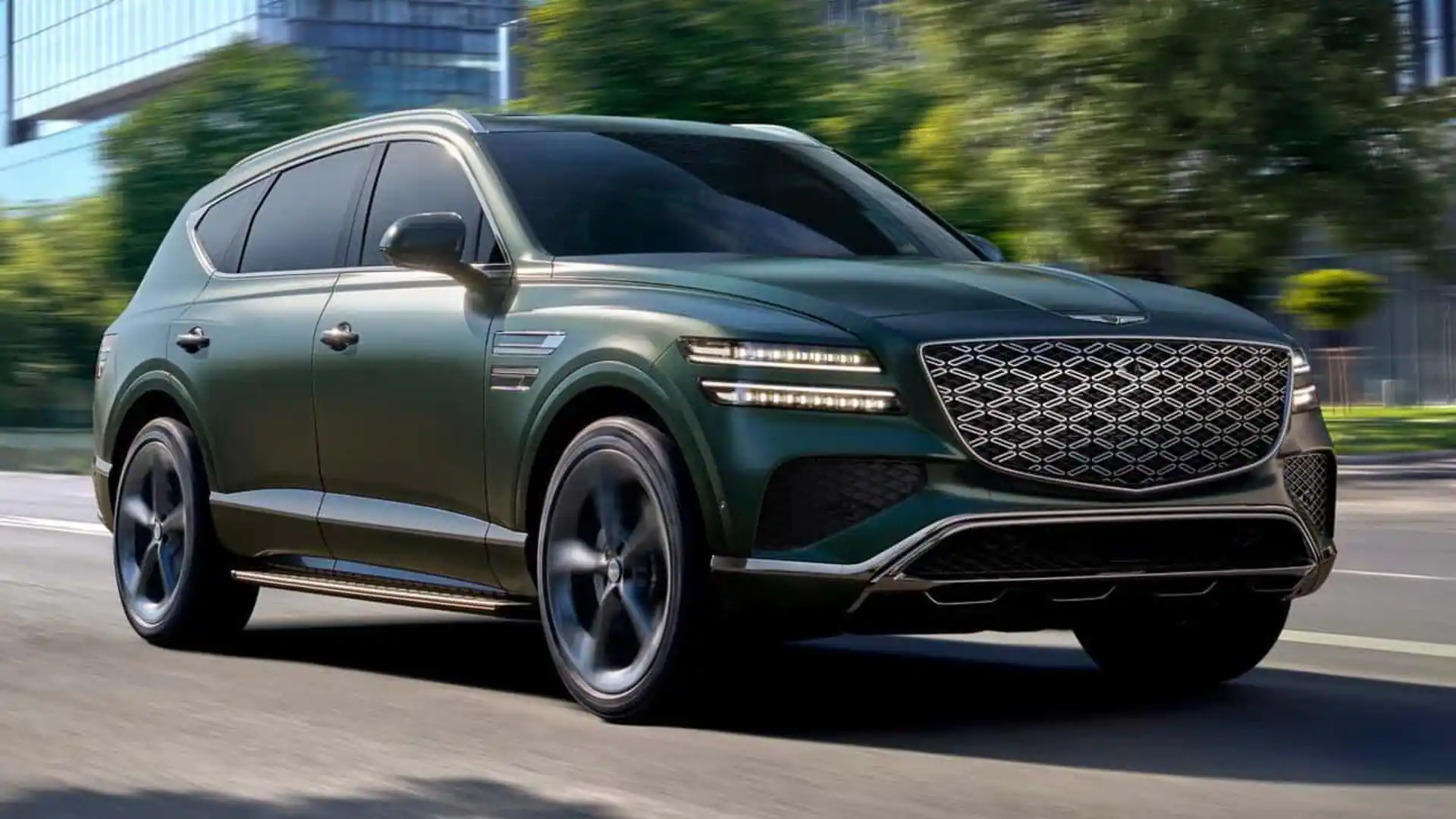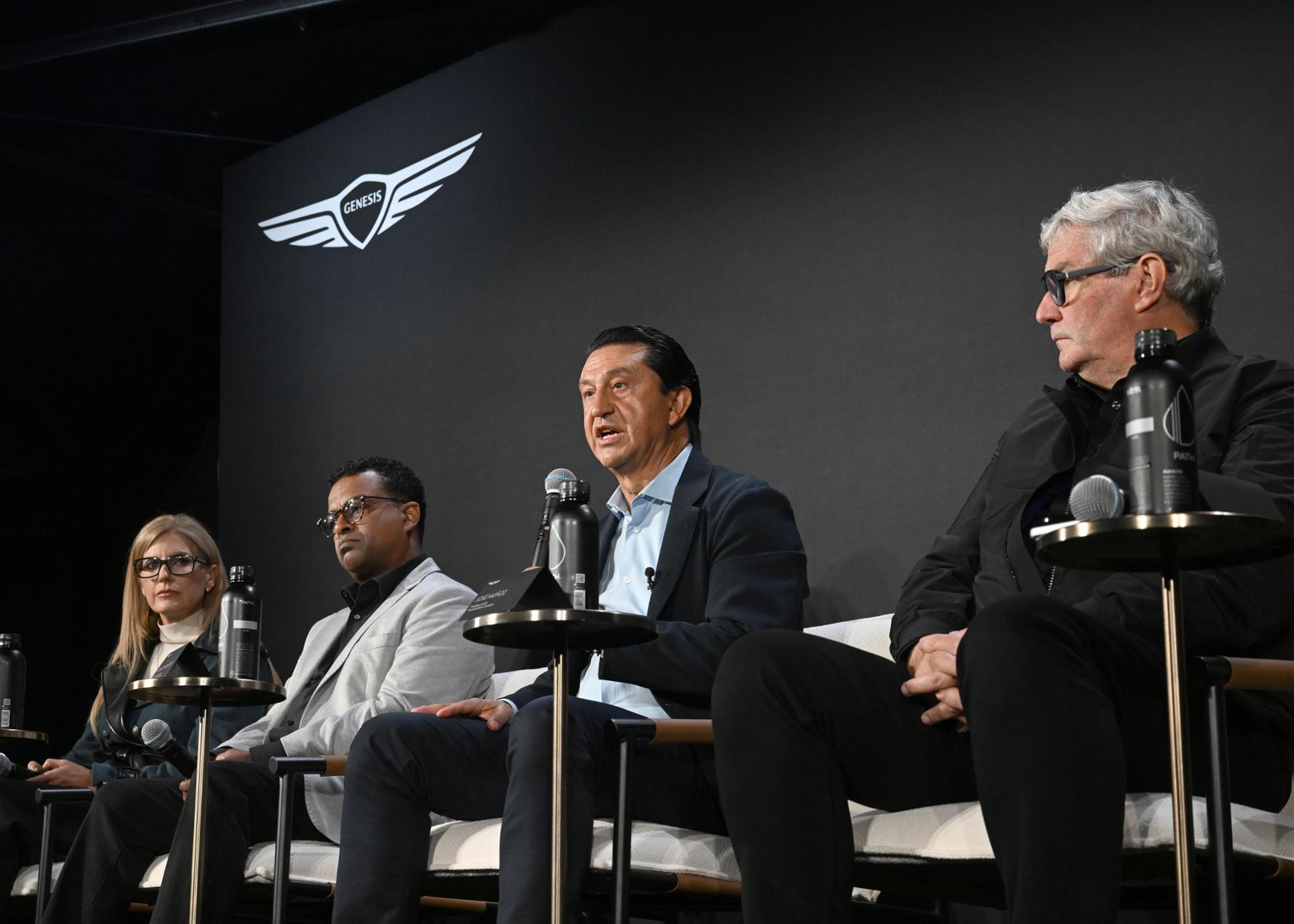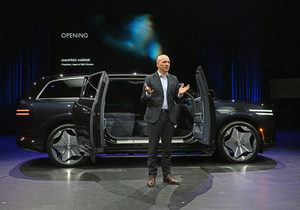
Manfred Harrer, president and head of the R&D division at Hyundai Motor Group, speaks during a press briefing at the Palace of Fine Arts, San Francisco, Thursday. (Hyundai Motor Group) Genesis, a premium brand under South Korean auto conglomerate Hyundai Motor Group, has developed its new GV90 electric SUV from the ground up, overhauling everything from its platform and battery architecture to its body structure and assembly plant, according to the company.At a technical briefing in San Francisco on Thursday, Hyundai Motor Group executives presented the flagship SUV as the product of a broader rethink of the Genesis brand’s approach to luxury electric vehicles.Manfred Harrer, president and head of Hyundai Motor Group’s R&D division, described the GV90 project as a redefinition of luxury mobility rather than a conventional model launch.Genesis Development Executive Director Heo Kwang-hoon called it the most challenging vehicle the brand has developed, saying the “zero-based” approach enabled Genesis to create its most advanced model to date.Among the GV90 Neolun’s most distinctive features are what Genesis describes as the world’s first B-pillarless coach doors, which allow the front and rear doors to open in opposite directions without a fixed pillar between them.B-pillars — the vertical supports connecting a vehicle’s roof and floor — are generally considered critical to maintaining structural rigidity and absorbing impact energy. To remove them without compromising body strength, Genesis built structural reinforcements into the doors and incorporated a race car-inspired roll-cage structure in the vehicle frame.Lee Dae-hee, head of body structure engineering at Genesis’ body design division, said the Neolun variant delivers 12 percent greater structural rigidity than models fitted with conventional doors.Genesis also introduced what it says is the world’s first roof airbag system, designed to protect passengers in severe rollover crashes. Engineers developed the system after analyzing data from 38 million real-world traffic accidents and identifying rollovers as relatively rare but particularly dangerous events.Crash-test footage shown at the briefing depicted a GV90 rolling at 110 kilometers per hour as all 12 airbags deployed within milliseconds.For performance and ride comfort, the GV90 is equipped with electronic limited-slip differentials on both the front and rear axles, a configuration more commonly found in high-performance sports cars. The flagship EV also debuts a monotube, dual-valve electronic suspension system that adjusts shock absorption and body control independently in real time.Hyundai Motor Group built a dedicated electric vehicle facility in Ulsan to produce the GV90, combining automated manufacturing with processes intended to deliver the precision expected of a flagship luxury model.The facility features a 6,800-metric-ton servo press capable of forming complex aluminum body panels, along with four multi-material joining techniques for combining steel and aluminum components. It also uses high-resolution automated surface scanners and low-temperature paint booths that Genesis says reduce carbon emissions by 40 percent.To maintain cabin refinement across all production units, the plant includes an indoor testing chamber that simulates real-world driving conditions. Each SUV undergoes noise and vibration tests on rollers replicating different road surfaces, while artificial winds of up to 160 kilometers per hour reproduce severe weather and high-speed driving conditions. Genesis Development Executive Director Heo Kwang-hoon speaks during a press briefing at the Palace of Fine Arts, San Francisco, Thursday. (Hyundai Motor Group)
Genesis details ground-up engineering of GV90
Genesis, a premium brand under South Korean auto conglomerate Hyundai Motor Group, has developed its new GV90 electric SUV from the ground up, overhauling every
531 words~2 min read