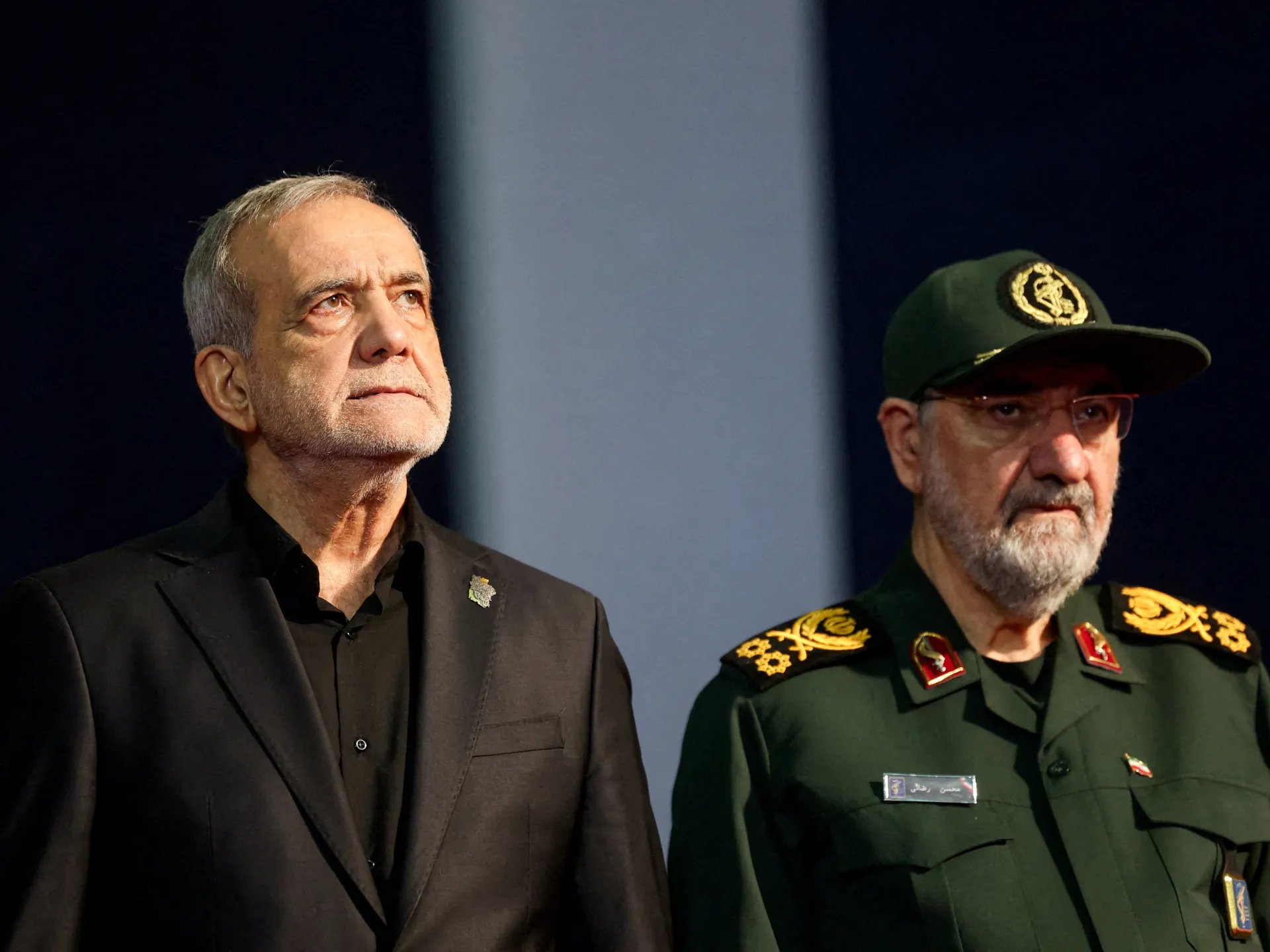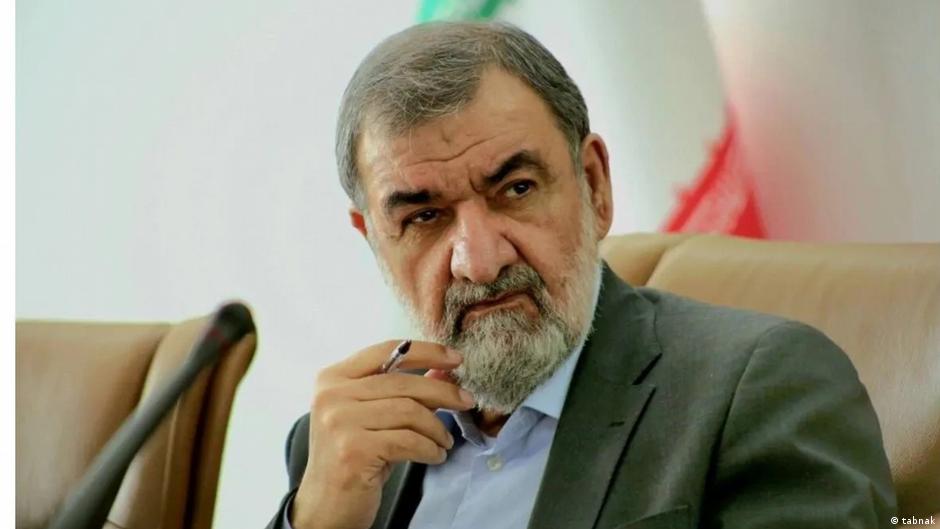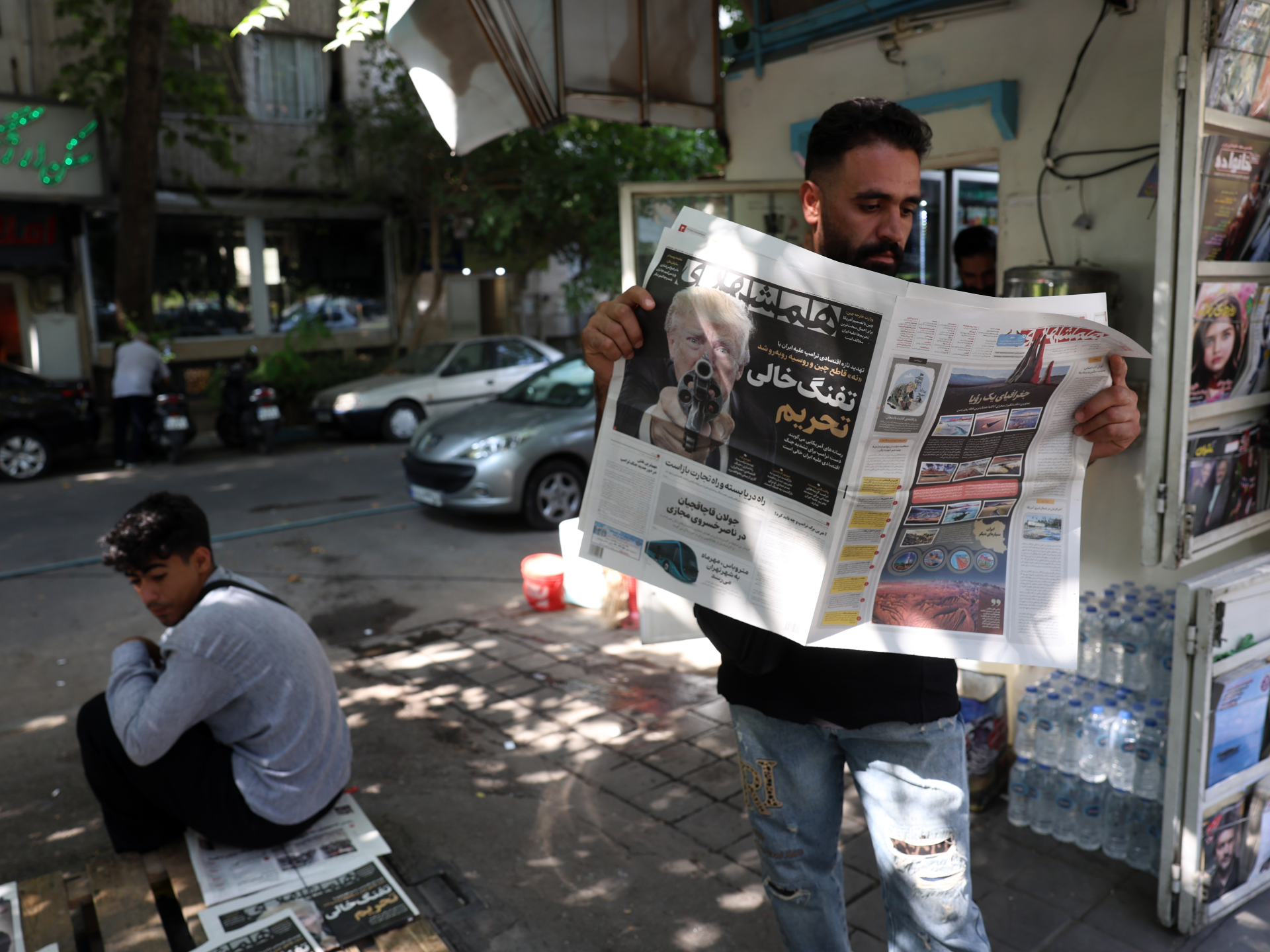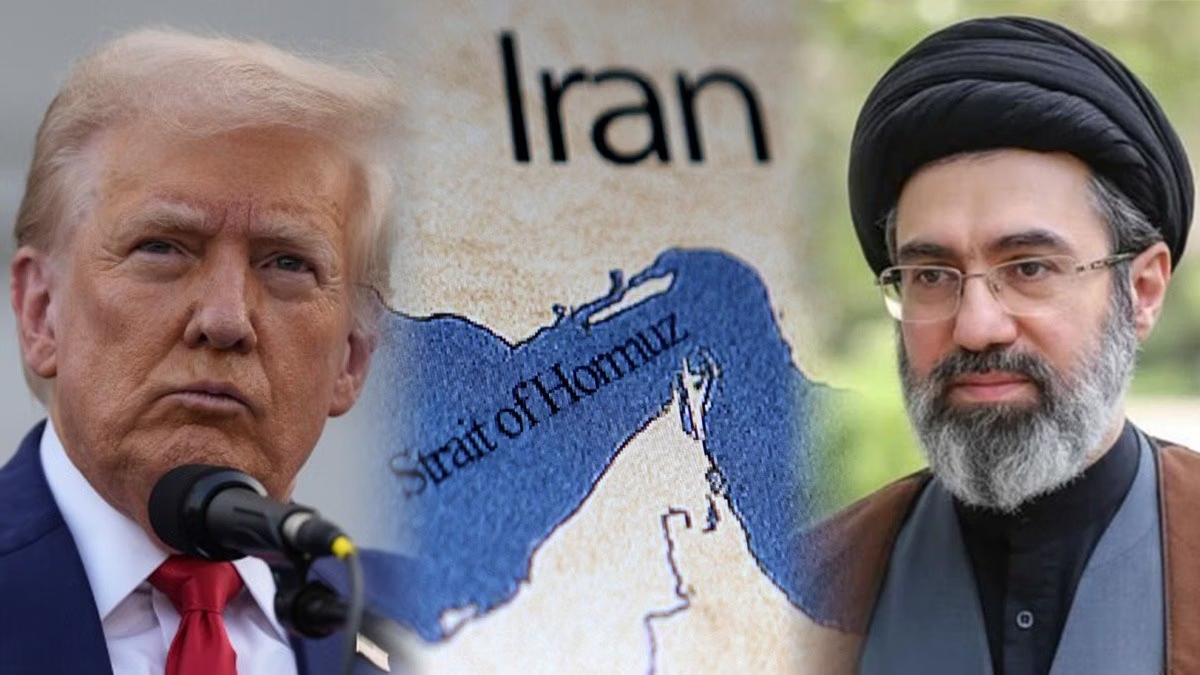
Warning comes after Trump said he will impose ‘most crushing’ sanctions to isolate Iran and weaken its government.Iran has threatened to retaliate against any country that joins the United States’ “economic war” against it, as Egypt pressed Tehran and Washington to “return to the diplomatic path” and end their nearly six-month-old conflict.The warning from Iran’s top security official on Saturday came as the US plans to announce new sanctions that could put further strain on Tehran’s economy.Recommended Stories list of 3 itemslist 1 of 3Iranian president says time to end war with US from ‘position of strength’list 2 of 3Iran says new US sanctions violate sovereignty of other stateslist 3 of 3Iran grants permission for some Iraqi oil tankers to pass through Hormuzend of listMohsen Rezaei, secretary of Iran’s Supreme National Security Council, told the IRIB state broadcaster that Iran was appealing to all countries around the world, including its neighbours, not to join the US’s “economic war”.“Any country that takes part in imposing economic restrictions on us will be regarded as an enemy,” he said, warning of a “seismic” retaliation.Rezaei described Iran’s strategy as a three-stage sequence starting with talks to de-escalate tensions.“Of course, we will first negotiate with them. We will hold talks and tell them to step aside and distance themselves from the United States. But if they do not act, we will strike. We will target that country’s interests,” he said.Rezaei’s remarks came days after US President Donald Trump announced that his government would undertake the “most crushing economic operation” yet against Iran. He also pledged “tremendous economic consequences” for any country that gives Iran “any type of lifeline”.US Treasury Secretary Scott Bessent echoed his threats the following day, saying, “You’re either with us or against us.” He also urged cooperation from China, which buys more than 80 percent of Iran’s shipped oil.Bessent is due to give details of the planned sanctions on Monday.Stalled talksIran’s Ministry of Foreign Affairs spokesperson Esmaeil Baghaei said earlier on Saturday the imminent US announcement of new economic sanctions was an “assertion of extraterritorial sovereignty over every independent member state of the United Nations”.“Such secondary sanctions find no foundation in international law,” he said in a post on X.The tensions came as diplomatic efforts to end the war remained stalled and traffic in the Strait of Hormuz, the major shipping lane that Iran has blockaded, remained effectively halted. Iran closed the strait shortly after the US and Israel launched joint strikes on February 28, sending the price of commodities like oil and fertiliser skyrocketing.On Saturday, Iran’s government news service, IRNA, announced that special permission had been issued for Iraqi oil tankers to transit the strait.However, Al Jazeera’s Tohid Asadi reported that the situation in the strait “remains vague”, with Iran saying it will keep it closed until a US naval blockade on the country is lifted. He said talks between Iran and Oman on managing shipping in the waterway were also continuing. “But so far, no deal has been reached,” Asadi said.Separately, Egypt’s Ministry of Foreign Affairs announced that Foreign Minister Badr Abdelatty and his Iranian counterpart Abbas Araghchi spoke over the phone and reviewed the overall situation in the region as well as ongoing efforts “to create an environment conducive to de-escalation”.It added that the two also discussed a “return to the diplomatic path – whether regarding the negotiation track between Oman and Iran or the resumption of the implementation of the US-Iran memorandum with the ultimate goal of reaching a comprehensive and sustainable agreement that addresses various concerns and enhances regional security and stability”.Araghchi briefed Egypt’s foreign minister about “Iran’s view of ongoing developments, the course of negotiations and their challenges”, the ministry said, without elaborating.Araghchi confirmed the call.He also said he had a call with Pakistan’s army chief, Field Marshal Asim Munir, and spoke about “effective solutions to strengthen peace, stability and security in the West Asian region”.
Iran warns of retaliation against countries joining US ‘economic war’
Warning comes after Trump said he will impose 'most crushing' sanctions to isolate Iran and weaken its government.
650 words~3 min read